Shepherd Neame plans to invest £15 million over three years in a smaller, modern brewery at its Faversham site, converting the existing bottling hall into a new production operation. The Kent brewer will concentrate on its own beer brands and cease large third-party contract brewing as part of a redesign of the historic town-centre works. The bottling hall is scheduled to close in mid-2027 so that conversion can begin, while brewing continues in its present location during the build.
Construction is expected to take about two years, with the replacement brewery targeted for completion by the end of 2029. The company intends to reuse parts of the existing plant infrastructure and continue drawing water from the historic artesian well. The new equipment must fit within a building originally used for bottling, so the layout will have to accommodate brewing vessels, product movement and utility connections without interrupting operations elsewhere on the site.
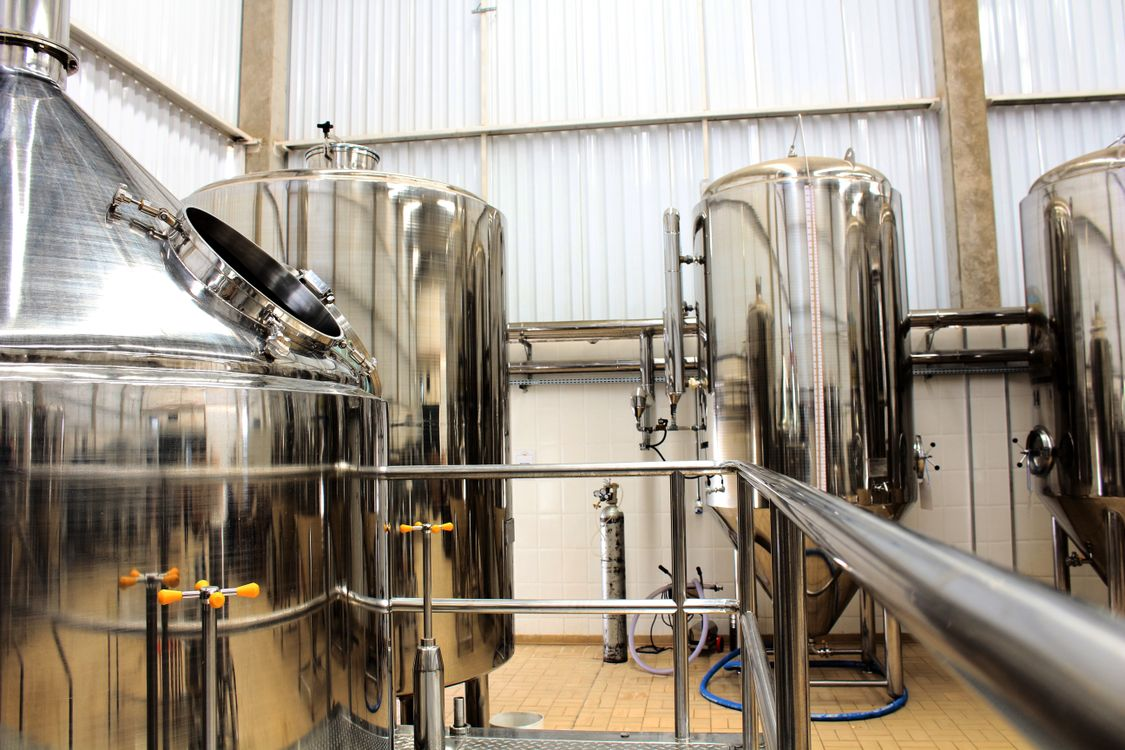
The future brewery will retain beer production on site while outsourcing selected activities, including small packaging. Ingredients must pass through mashing, wort preparation, fermentation and conditioning before finished beer is sent for packaging. Dividing those operations between Faversham and external providers will determine the equipment footprint, the sequence of production batches and the logistics needed to move products between facilities.
The existing bottling hall is due to close in mid-2027, allowing its conversion to begin while brewing continues elsewhere at the Faversham works. Construction and commissioning will therefore take place alongside a functioning industrial operation. Shared utilities, equipment access and the movement of materials will need to be managed through the transition so that the existing plant can maintain production before the replacement facility is ready.
Shepherd Neame plans to retain its established beer range, including Spitfire, Bishops Finger and Whitstable Bay, alongside more recent brands. Its strategy reduces the breadth of commercial production services rather than withdrawing its own products from the market. Large contract brewing for third parties will end, and the exclusive licence under which it brews and distributes Singha Lager is due to terminate at the end of April 2027.
The Singha arrangement generates about £10.3 million in associated revenue. Ending that licence and withdrawing from large third-party brewing will reduce the range of contracts the Faversham plant must accommodate. Equipment selection and production scheduling can then be aligned with Shepherd Neame’s own beer portfolio, its batch sizes and the packaging services it retains in-house or buys externally.
Cleaning, product changeovers, water use and heating demand all influence the running cost of a brewing installation. A smaller plant designed around the volume and variety of Shepherd Neame’s own beers may reduce the amount of underused equipment and the complexity of moving materials between processing stages. The company has not specified the new brewery’s installed production capacity or detailed equipment list, which will be determined as the conversion programme develops.
The company expects to finance the brewery work through sales of non-core property. Alongside the production changes, it is developing a ten-year plan for the town-centre estate, retaining a Heritage Core of buildings behind Court Street. Proposed offices, retail, hospitality, visitor facilities and Brewery Square would occupy parts of the property footprint not needed for the redesigned brewing business.
Reducing the industrial footprint will also change how brewing activity is arranged within the historic town-centre site. Buildings adapted over generations often require longer routes for materials and maintenance access than a production layout designed around current equipment. The replacement brewery is intended to consolidate that work while other buildings are considered for different uses under the estate plan.
The investment follows a mixed period for beer volumes. During the 17 weeks to 24 October 2026, total beer volume was 0.6% lower and own-beer volume 2.2% lower, while like-for-like retail sales in the pub estate rose 6.4%. Like-for-like income in the tenanted estate was 1.1% higher in the period to 26 September. Those measures describe different channels and bases, and the brewery redesign is being undertaken against that changing mix of brewing and hospitality demand.
The company operated 280 pubs at the time of the plan, including 221 tenanted or leased properties and 57 managed retail sites, with two held as investment properties. It expects to continue investing in the estate, initially emphasising London pubs and later coastal inns and hotels. Brewing remains integral to its integrated model, but production investment and property investment will have different time horizons and operational outcomes.
Conversion of the bottling hall will have to proceed while the current brewhouse maintains supplies for Shepherd Neame’s own beer range. Commissioning the replacement plant will then determine when production can transfer into the smaller footprint and which packaging activities are supplied externally. The operating result sought is a Faversham brewery organised around a narrower range of production contracts and its retained brands.