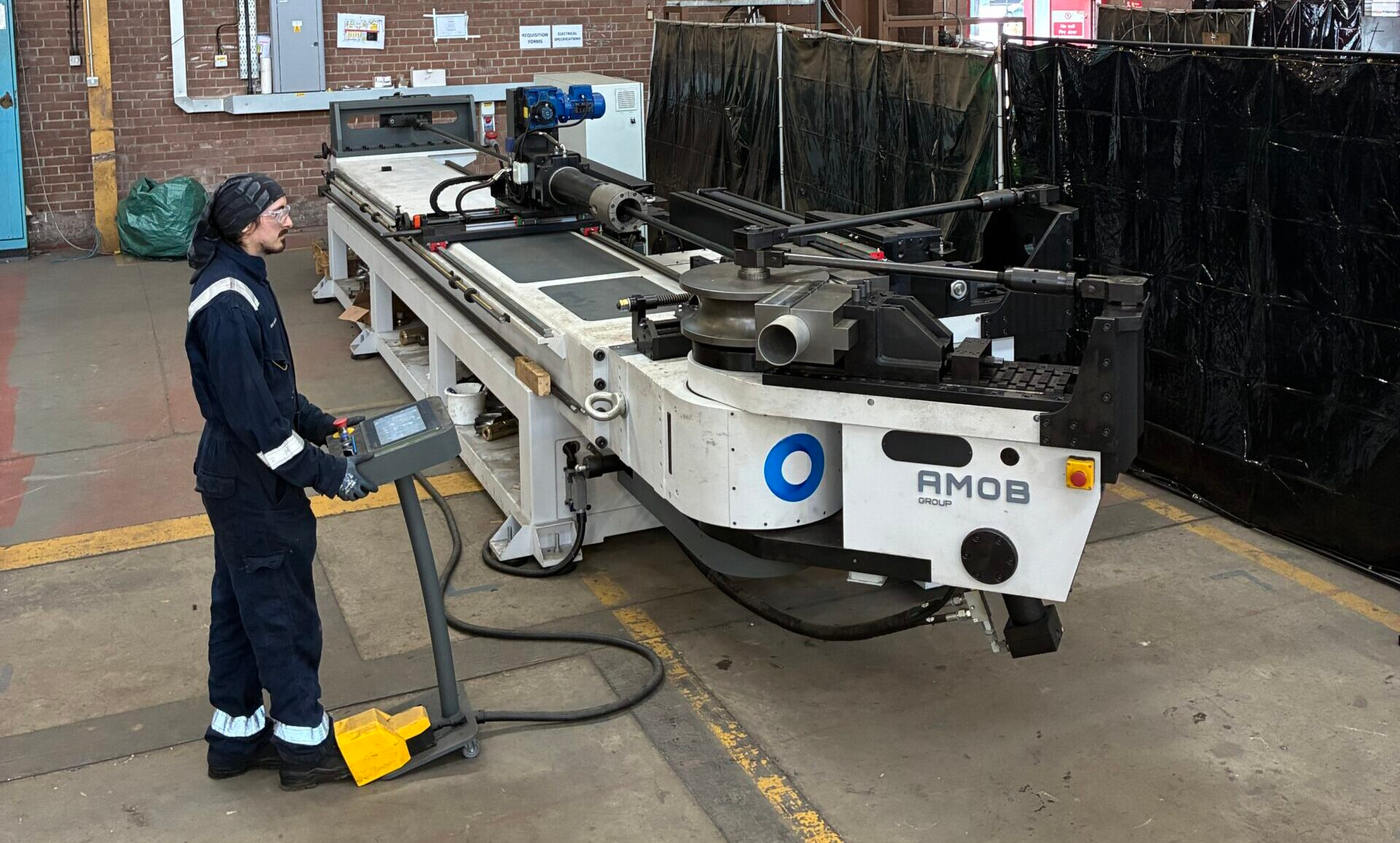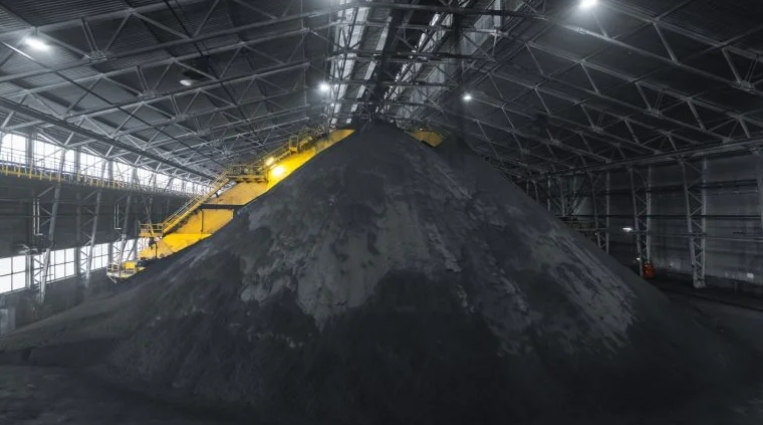
Ironveld‘s South African dense media separation plant is processing approximately 4.5 tonnes of feed per hour, up from 2.5–3.5 tonnes per hour reported in July, but higher feed rates have not yet translated into consistently saleable magnetite output. The latest rate approaches 90% of the plant’s five-tonne-per-hour design feed capacity. Particle-size variation is still being addressed, while deliveries to an existing customer are suspended during that customer’s plant commissioning difficulties. Ironveld also reports working capital sufficient for approximately two months of operational and strategic needs.
The company is continuing to adjust milling conditions to achieve a particle size distribution that meets customer requirements without sacrificing too much output. Feed throughput measures material entering the plant, not the quantity of saleable magnetite leaving it. That distinction is particularly important for dense media separation, where customers buy a mineral product with defined particle characteristics rather than simply paying for the amount of ore processed.
Dense media separation relies on a suspension of dense particles to separate material by specific gravity. Magnetite is often used to establish and control that density in coal and mineral processing circuits. The size distribution of the particles affects suspension stability, recovery, circulation and separation performance, so a buyer’s technical acceptance relates to the consistency of the supplied product, not simply how much feed passed through Ironveld’s plant. The company says samples have met acceptance ranges at prospective coal customers, but acknowledges that batch-to-batch consistency has not yet been secured.
Milling settings present an operating trade-off. Reducing incoming feed size or grinding media size can change the final distribution of particles, but may also affect throughput, energy use and operating cost. Alternatively, reducing feed rate can allow more processing time when the desired specification is difficult to achieve at the current speed. Ironveld is testing these parameters as it works towards stable production of a uniform dense media grade, rather than treating the 4.5-tonne-per-hour rate as a finished optimisation exercise.
Ironveld’s July update reported an average 1.4 tonnes per hour of magnetite product meeting specification and approximately one tonne per hour of maghemite when feed ran at 2.5–3.5 tonnes per hour. The October statement gives a higher feed rate without a directly comparable figure for current saleable magnetite. Product yield, rejection of oversize or undersize material and any further milling requirements could all affect the relationship between incoming feed and invoiced tonnes. A proportional increase in output or revenue cannot be inferred from the throughput figure alone.
Ironveld is discussing possible supply agreements with three counterparties and has received encouraging technical feedback on samples. A further prospective customer intends to place a 100-tonne bulk trial order, but the company says the formal purchase order and payment are still awaited. Samples are also being considered by coal producers operating in South Africa and Mozambique. None of these prospective opportunities should be counted as an executed long-term offtake agreement.
Deliveries under an existing supply contract have been paused because the customer has encountered technical difficulties during commissioning of its own processing plant. Ironveld says material allocated to that buyer is being stockpiled while the customer works through those problems. The interruption is on the receiving side, rather than a reported plant shutdown at Ironveld, but the effect on cash receipts is material. The company has not established a firm date for deliveries to restart.
The interruption in contracted sales and slower conversion of prospective customers into purchase commitments have affected working capital. Ironveld says it can meet operational and strategic needs for approximately two months and is assessing external funding solutions; indications from shareholders do not amount to an executed financing agreement. Stockpiling material protects potential supply to the existing customer but does not generate cash while its processing plant remains unable to receive deliveries. The company’s immediate cash position therefore depends on both financing and the timing of contracted sales.
Alongside the plant update, Ironveld released mineralogical and geochemical findings from two boreholes in its Layer 21 horizon, analysed by South Africa’s Mintek. Core samples returned total rare earth oxide grades between 858 and 1,543 parts per million, with neodymium and praseodymium oxides representing approximately a quarter of that total. The work also identified magnetite, titanomagnetite, ilmenite and apatite. These are exploration and mineralogical findings, not evidence of a defined rare earth Mineral Resource or a commercially recoverable reserve.
Ironveld is considering a conceptual flowsheet involving low-intensity magnetic separation for magnetite, wet high-intensity magnetic separation for ilmenite and flotation to produce an apatite concentrate. Potential recovery of rare earths associated with apatite would require further treatment and metallurgical testing. Separation efficiency, recovery factors, concentrate specifications and economics remain unproven for this material. The company wants additional studies to establish whether multiple products could be produced from the same mined horizon.
Ironveld’s next operating tests concern stable milling, repeatable product sizing and sales that convert existing stock into cash. Its separate Layer 21 investigation needs further resource definition, metallurgical trials and economic assessment before the proposed magnetite, ilmenite, apatite or rare earth recovery steps can be treated as commercial production plans. Neither the October plant feed rate nor the drill-core assays establishes a finished product recovery rate for those future mineral streams.