Nuclear Power Corporation of India Limited has begun geotechnical investigations for proposed nuclear generating units 5 and 6 at Kakrapar in Gujarat. The work will provide information about subsurface conditions needed to assess foundations, structural stability, and the civil engineering requirements of two planned 700MWe pressurised heavy water reactors.
The investigations involve borehole drilling, geophysical surveys, and laboratory testing of soil and rock. Results will be used to establish the engineering characteristics of the proposed construction areas and inform subsequent design decisions. The activity represents a preliminary site assessment, not the start of reactor building construction or confirmation of a completed investment approval.
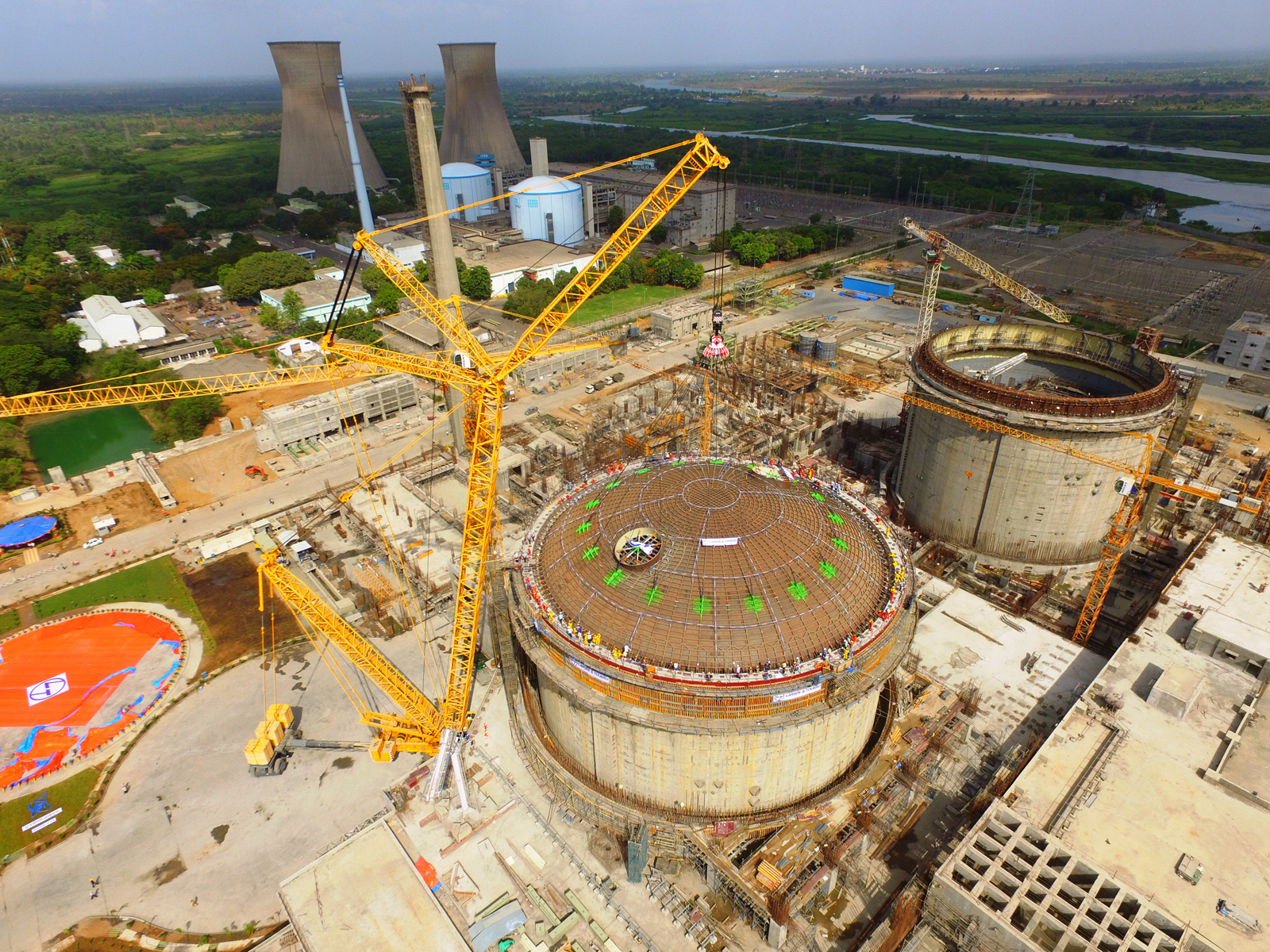
Kakrapar already has four operating nuclear reactors. Units 1 and 2 entered service during the 1990s, while units 3 and 4 were among the first of India’s domestically designed 700MWe pressurised heavy water reactors to enter operation. The proposed additional units would extend the site using the country’s standardised larger reactor design.
Previous construction at the same nuclear site provides experience of local conditions, but it does not remove the need to investigate new foundation locations. Ground properties can change across an industrial site, particularly where different layers, weathered rock, or other geological features affect the way loads are transferred into the ground.
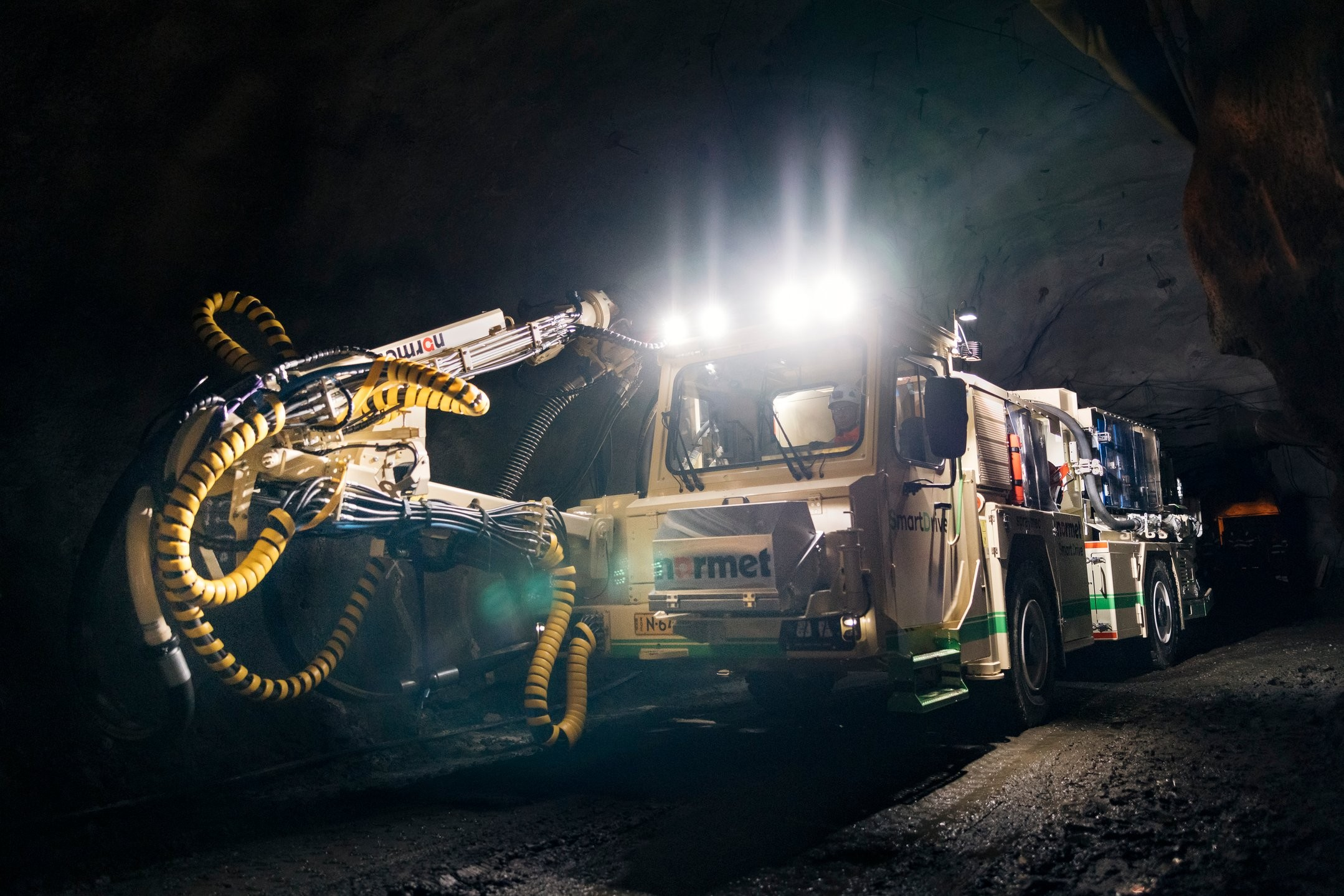
Boreholes allow engineers to examine material below the surface, recover samples, and record variations in the ground profile. Geophysical methods can provide additional information between investigation points, while laboratory tests establish properties that are difficult to determine from visual inspection alone.
The programme is intended to assess the strength, stiffness, and other characteristics of the supporting materials. Such information contributes to the calculation of settlement and deformation under load, as well as the selection of appropriate foundation arrangements.
Nuclear power stations contain structures with different mass, loading, and operating requirements. Reactor buildings, auxiliary facilities, machinery foundations, and other civil engineering elements can impose substantial forces on the supporting ground. Their design must account for both normal operating conditions and the events specified in the relevant safety requirements.
Variations in ground stiffness can lead to differential settlement, where neighbouring parts of a foundation or structure move by different amounts. The resulting stresses can affect structural elements and the interfaces between equipment and buildings. Understanding the ground profile is therefore necessary before determining the foundation design.
Subsurface conditions also influence seismic engineering assessments. The response of a structure to ground movement depends partly on the properties of the supporting soil or rock and the interaction between those materials and the foundation. Site-specific evidence is required even where the above-ground design draws on equipment and structures used at another nuclear installation.
Geotechnical investigations may identify conditions requiring additional design measures or changes to construction methods. Engineers must evaluate the results before deciding whether the original foundation assumptions remain suitable. The start of investigation work does not establish that those decisions have already been made.
The proposed reactors form part of India’s wider programme to deploy a standardised fleet of 700MWe pressurised heavy water units. Reusing established engineering designs and component specifications can support procurement and manufacturing planning, but individual sites still require their own studies, approvals, and construction arrangements.
Standardisation can improve the consistency of major equipment requirements. Manufacturers supplying several projects may be able to use common processes, inspection methods, and quality documentation, subject to the specifications and delivery schedules of the individual orders.
India’s Nuclear Fuel Complex has separately reported progress in manufacturing steam generator tubes for the national reactor programme. In September, the organisation completed its twelfth set of tubes, with delivery to NPCIL reported on 28 September. It stated that the manufacturing cycle had fallen from 181 days for earlier production to 81 days for the latest set.
That achievement predates the newly reported Kakrapar investigation milestone and concerns the wider pressurised heavy water reactor supply programme. It should not be interpreted as a new 16 October delivery or proof that the tubes are specifically allocated to Kakrapar units 5 and 6.
The Nuclear Fuel Complex has described its domestic production capability as replacing tubes previously obtained through imports. Its reported improvement in manufacturing cycle time reflects changes in production efficiency, material recovery, and quality performance, rather than completion of a nuclear generating unit.
Steam generator tubes perform an important function in pressurised heavy water reactors. Heat carried by the primary coolant passes through the tube walls to water in a separate secondary circuit, where steam is produced for the turbine system. The tubes therefore provide both a heat transfer surface and a physical boundary between the two fluid systems.
The materials used in those tubes must withstand the relevant thermal, mechanical, and chemical conditions while maintaining the specified dimensions and integrity. Manufacturing processes need to control surface quality, material properties, and geometry, with inspection used to identify defects that could compromise performance.
Repeatable tube production can assist projects by making critical components available according to planned delivery schedules. However, a shorter manufacturing cycle for one component does not establish a corresponding reduction in the total time needed to build or commission a reactor.
Overall construction depends on civil works, component fabrication, equipment installation, electrical and mechanical integration, testing, and regulatory acceptance. Progress in one supply category may improve schedule resilience without removing constraints elsewhere in the programme.
At Kakrapar, geotechnical data will contribute to the decisions that precede major civil construction. The findings must be incorporated into engineering studies and the wider project approval process before the planned reactor buildings can move into construction.
The next measurable milestones will be completion of the ground investigations, evaluation of the results, and progression of the proposed units through their remaining development stages. Neither first concrete nor a commissioning date for Kakrapar 5 and 6 has been established by the current announcement.
Archive photograph: Reetesh Chaurasia / CC BY-SA 4.0.