Airbus has warned that losing the competition for the UK’s next military communications satellites could threaten the long-term future of its British space operations. Chief executive Guillaume Faury has raised concerns with the Prime Minister about the potential industrial consequences of awarding the £2.4 billion Skynet 6 contract to rival bidder Lockheed Martin, including the effect on specialist jobs and Britain’s role in European satellite manufacturing.
The intervention concerns the Skynet 6 Wideband Satellite System programme, for which the Ministry of Defence has yet to announce a winning supplier. Airbus currently operates major space engineering facilities at Stevenage and Portsmouth, while Lockheed Martin has proposed establishing additional satellite manufacturing activity in north-east England if its bid succeeds.
Faury’s warning was reported on 16 October, as the government approached a decision on one of its most significant defence space procurements. The Airbus chief executive argues that the outcome could influence the distribution of future engineering work within Europe as aerospace companies consider how to organise their satellite businesses.
The potential loss of industrial activity remains conditional. Airbus has not announced a confirmed closure of either its Stevenage or Portsmouth operations, and the Ministry of Defence has not selected Lockheed Martin. The warning identifies risks that the manufacturer believes could arise from an adverse procurement decision rather than a restructuring programme already under way.
Approximately 3,000 people work across Airbus’s two principal British space sites, according to contemporary reporting. Their activities extend beyond the programme being competed, covering satellite engineering, communications payloads, system integration, and related manufacturing and test work. The overall workforce figure should not be treated as the number of employees directly assigned to Skynet 6 or as a forecast of redundancies.
The competition also has implications for companies supplying specialist equipment to those facilities. Spacecraft manufacturing requires a combination of mechanical structures, electrical power systems, thermal management, radio-frequency components, onboard computers, software, and test equipment. Many of these systems are developed or manufactured by suppliers before being integrated into the finished spacecraft.
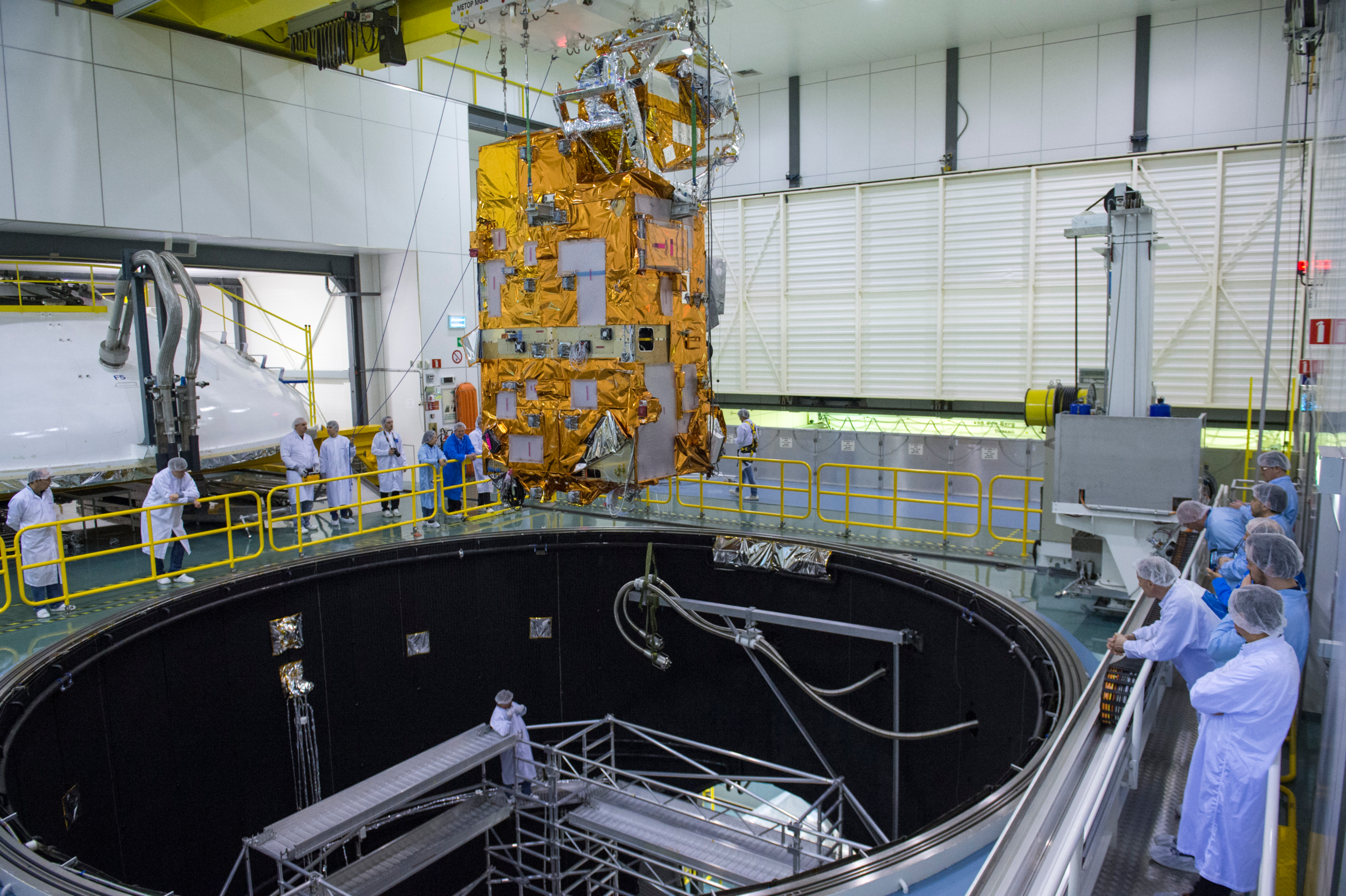
Secure military communications satellites impose particularly demanding requirements on integration and verification. Their payloads must receive, process, and retransmit signals while operating within the limited electrical power and thermal capacity available aboard the spacecraft. Antenna performance, electronic protection, spacecraft pointing, and communication with the ground segment must be coordinated as parts of a complete system.
Radio-frequency equipment presents manufacturing challenges because the performance of individual components can be affected by dimensional tolerances, material properties, and electrical characteristics. Testing must establish that the assembled payload operates within its specified performance limits, while environmental qualification provides evidence that components can withstand launch loads and the thermal conditions expected in orbit.
The satellite platform must perform related functions throughout the spacecraft’s operating life. Power generation and storage equipment supply the payload, attitude control systems maintain the required orientation, and thermal management protects electronics from unacceptable temperature variation. A fault in one supporting system can restrict the available communications service even when the principal payload remains functional.
Manufacturing capability in this sector therefore involves more than floor space for final assembly. Specialist design teams, qualified production processes, inspection equipment, environmental test facilities, and accumulated experience all contribute to the ability to deliver a complete spacecraft. Maintaining those capabilities requires a continuing programme of work as individual contracts move through design, manufacturing, qualification, and launch preparation.
Airbus’s concern is that the loss of a major domestic programme could weaken that continuity. Skilled teams may be supporting several projects with different delivery schedules, but a reduction in future workload can affect recruitment, investment, and the ability to retain specialist expertise. The eventual consequences would depend on the company’s other contracts and decisions about the distribution of work between sites.
Lockheed Martin’s competing proposal presents a different industrial proposition. The US manufacturer has outlined plans for satellite manufacturing facilities in County Durham, accompanied by commitments relating to skilled employment and the British supply chain. Those activities would depend on the company securing the contract and carrying out its proposed investment programme.
Estimates of future employment associated with the competing bids have been presented using different definitions, including direct jobs and wider supplier opportunities. Existing employees at Airbus facilities cannot be compared directly with prospective positions at a facility that has not yet been built. The number of roles eventually supported would depend on the contracted workshare, production arrangements, recruitment, and the development of local suppliers.
The Ministry of Defence must also assess technical capability, security, programme risk, cost, and the arrangements for controlling critical technology. A spacecraft assembled in Britain may incorporate internationally sourced components or technology subject to export restrictions. Conversely, the nationality of a prime contractor does not, by itself, establish where all the engineering, production, and support work will take place.
Design authority is an important consideration in this assessment. It concerns the ability to maintain control over the technical definition of a system, understand its configuration, approve modifications, and support its operation. The extent of that control depends on contractual rights, engineering access, intellectual property, and the responsibilities assigned to the organisations delivering the equipment.
The distinction becomes significant over the operating life of a military communications system. Satellites may remain in service for many years after launch, during which operators need technical support, replacement ground equipment, software changes, and arrangements for responding to failures. Manufacturing investment is consequently one part of a longer requirement for engineering continuity and operational support.
Airbus already has a separate role in Britain’s Skynet programme through its work on Skynet 6A. That spacecraft and the existing Skynet support arrangements should not be confused with the unawarded Wideband Satellite System competition. Previous contracts establish the manufacturer’s experience but do not determine whether it will receive the next award.
The procurement is also taking place while Airbus, Thales, and Leonardo discuss combining selected European space activities. Those discussions have prompted questions about how future work might be allocated between national facilities, but no completed transaction or confirmed restructuring of the British sites follows from the Skynet competition itself.
British industrial participation will ultimately depend on the terms of the selected bid. Contractual commitments governing manufacturing locations, technology development, supplier involvement, and long-term support will provide a firmer basis for assessing the outcome than the competing employment forecasts alone.
Until the Ministry of Defence announces its decision, Airbus’s warning and Lockheed Martin’s investment proposals remain competing claims about the potential industrial consequences of the award. The selected supplier’s contractual obligations, followed by actual investment and manufacturing activity, will determine how the programme affects Britain’s satellite engineering capability.