Indra Group says its 118,000-square-foot manufacturing facility in Olathe, Kansas, is fully operational, with production under way for next-generation radar systems and NEXCOM VHF/UHF air-to-ground radios supporting US Federal Aviation Administration programmes.
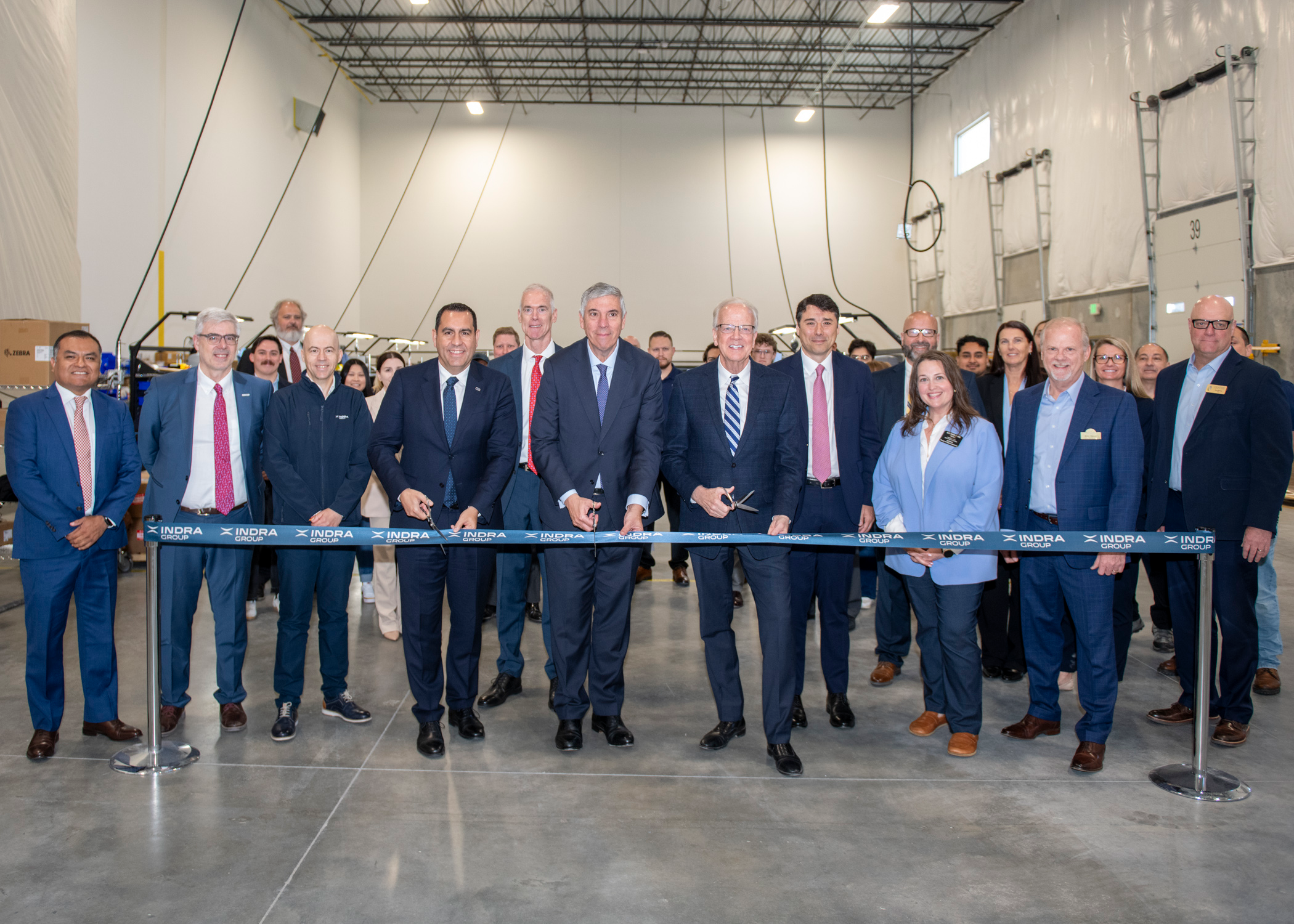
The company confirmed the production milestone after a visit by US Transportation Secretary Sean Duffy and Senator Roger Marshall on 15 October. The delegation observed active lines making equipment for civil aviation, communications and defence applications.
The announcement is separate from the opening of the factory in April 2026. Indra inaugurated the Olathe facility earlier this year after committing $50 million to expanding its US manufacturing presence. The fresh development is confirmation that the factory is operating and producing named equipment types.
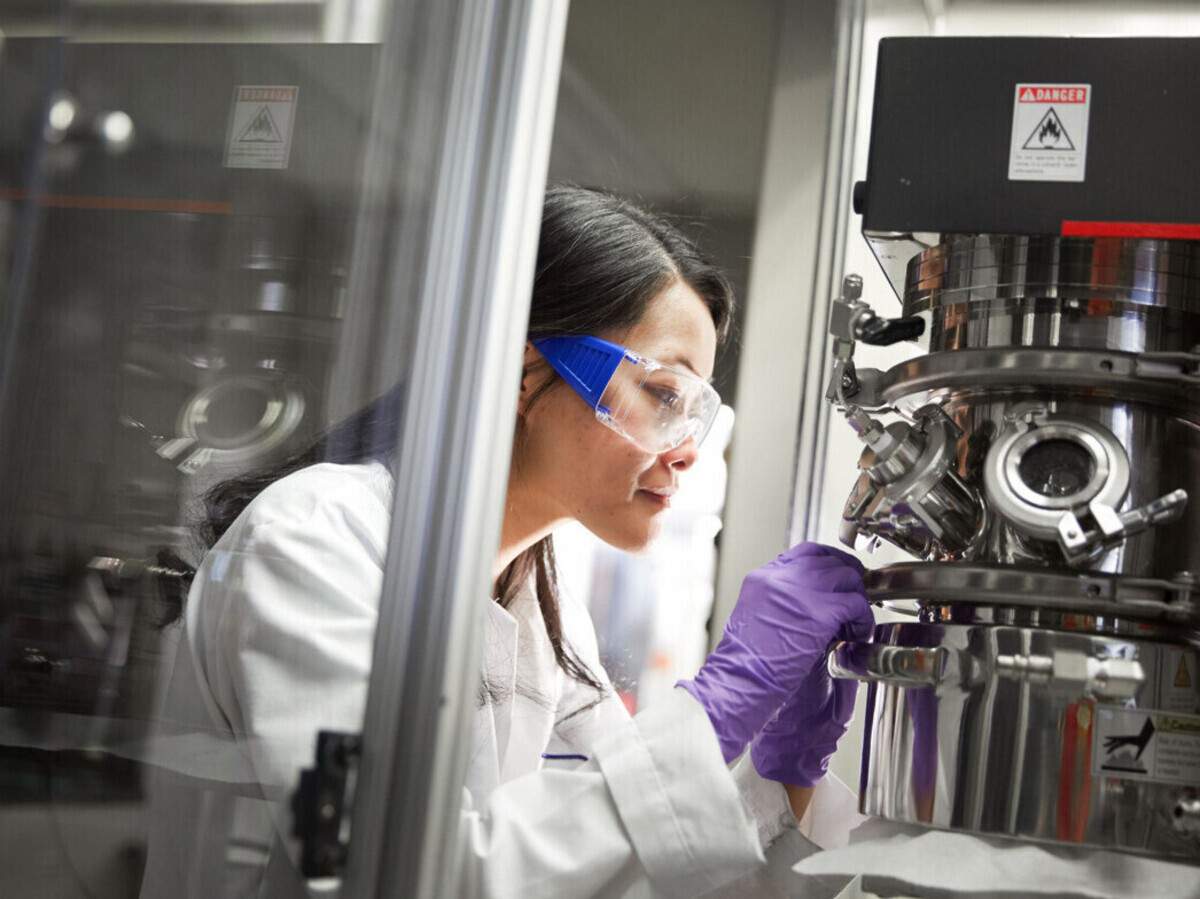
The investment created additional space for manufacturing, integrating and testing systems used within critical aviation infrastructure. Indra says the facility has advanced production processes and automated electronic testing, although it has not published equipment-by-equipment output capacity or current utilisation.
Radar systems support the surveillance functions on which air traffic management relies. Primary radar detects reflected radio signals, while cooperative surveillance systems can use responses from equipment carried by aircraft. Different installations and operating environments require different sensor configurations and coverage arrangements.
The company’s radar production supports US air traffic control modernisation, including federal programmes replacing existing surveillance systems. Manufacturing a complete radar installation involves more than fabricating a cabinet or antenna: transmitters, receivers, signal processing, interfaces and control electronics have to operate within specified performance limits.
Electronic testing can establish whether assemblies meet electrical and functional requirements before they enter final systems. It also supports consistent production where many equipment units must be supplied to a common design and configuration, although the precise factory procedures have not been described in the October release.
NEXCOM digital radio equipment is another named production line. These VHF/UHF air-to-ground systems support communications between aircraft and ground-based infrastructure, forming part of upgrades to operational networks used by controllers and other aviation services.
Air-ground communications must deliver reliable signals across assigned frequencies and integrate with existing networks. Their manufacture requires configuration management and verification because a component substitution or assembly defect can affect the operation of a larger communications installation.
Indra also expects the Olathe centre to produce more than 1,500 Automatic Dependent Surveillance–Broadcast radios and portable Tactical Air Navigation systems for the US Air Force. The future output commitment is distinct from the radars and NEXCOM equipment reported as currently being produced.
ADS-B equipment supports cooperative surveillance through information broadcast by compatible aircraft or ground systems. Tactical Air Navigation technology provides distance and bearing information for military air operations. These are different product categories with separate qualification and application requirements.
During the October visit, Indra reported that its US operations had already delivered more than 3,500 radios, commissioned seven radar sites and deployed Surface Awareness Initiative systems at 12 airports. Those figures represent broader programme achievements and are not presented as production exclusively attributable to Olathe.
A manufactured radar system is not necessarily an operational radar site. Equipment must subsequently be transported, installed, integrated with supporting systems and commissioned before its operational status can be confirmed. The cumulative radar-site milestone therefore should not be equated with an Olathe production count.
The new site complements Indra’s existing 40,000-square-foot operation in nearby Overland Park. Together the facilities form the company’s Kansas manufacturing and engineering base and support the wider investment programme announced in 2025.
Indra links its US expansion to more than 200 local jobs. The company has not said that all anticipated positions are filled or specified how many employees work on each production line. The jobs figure is associated with the overall programme, not necessarily with a measured increase during the October visit.
The scale of the Olathe investment provides additional industrial capacity close to customers managing important air traffic infrastructure. Larger and more specialised production space can accommodate assembly and test processes for several product families, but dependable delivery still depends on qualified components, personnel and manufacturing controls.
Long-term support is also significant for aviation equipment. Operators must be able to maintain installed systems, replace parts and manage configuration changes over their operating life. A manufacturer serving national programmes therefore needs controlled documentation and repeatable production alongside initial delivery capability.
Indra has not disclosed the site’s annual production rate for radars or radios. The verified change is that manufacturing activity is now under way at a fully operational site. Future milestones will include deliveries, testing and commissioned installations across the FAA and defence programmes that the factory is intended to support.