Grammer Jifeng Automotive Seating has opened a manufacturing plant in Cheb, Czechia, following an investment exceeding CZK 1 billion in facilities for automotive seat production, testing and development. The operation occupies 27,676 square metres at Panattoni Business Park Cheb South and will supply seating for BMW’s electric iX1.
The new premises were created by converting a building originally designed for logistics into a production facility with warehousing and administrative space. Developer Panattoni confirmed the opening on 15 October. It did not give a verified annual production volume or state that every production process has reached full capacity.
Grammer Jifeng Automotive Seating is a joint venture between German automotive supplier GRAMMER AG and China’s Jifeng Group. Its activities cover complete vehicle seats and related development, with the Cheb investment extending its European production footprint.
Andrej Abrešek, plant director at Cheb, said the factory would produce seats for the BMW iX1. He also confirmed that the new operation includes seat testing and measurement, as well as development facilities for seat covers. These functions are part of the announced site configuration, not separate projects scheduled for a later location.
Complete automotive seating systems combine structural components with foam, upholstery, adjustment mechanisms and, depending on their specification, electrical and safety-related elements. Assembly must meet demanding requirements for geometry, fit and repeatability, because variation between components can affect operating forces, appearance and integration into the vehicle.
The Cheb announcement does not identify its specific assembly machinery, automation systems or installed test instruments. The confirmed engineering scope is the manufacture and assessment of seat products; it would be premature to attribute a particular robot installation, production rate or qualification standard to the factory.
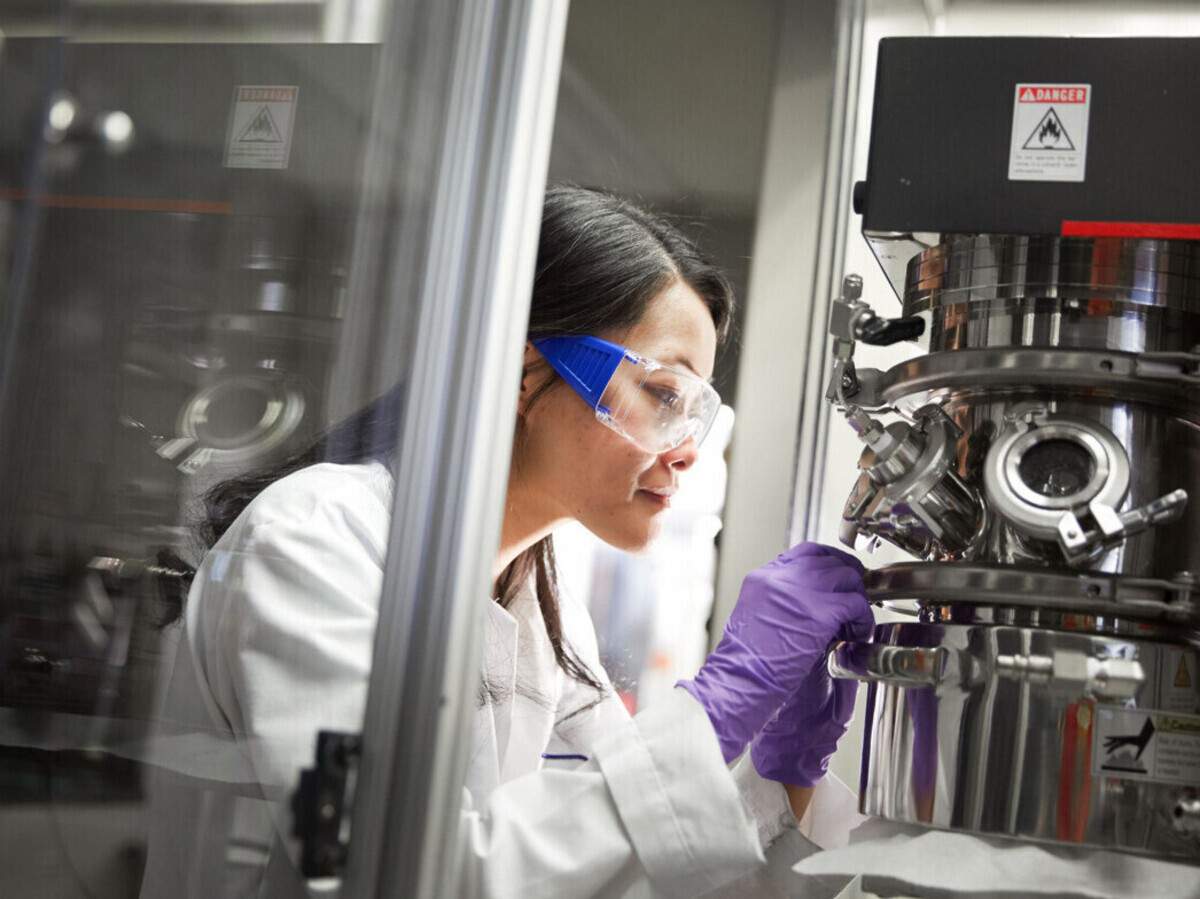
Testing and measurement near an assembly operation can help manufacturers examine the dimensions and performance of components without transferring every sample to another location. Such work may involve measurement of fit, movement and material characteristics, but Panattoni has not specified the tests to be performed at Cheb or published acceptance limits.
The development centre for seat covers adds a distinct activity. The covering materials and their assembly must conform to seat contours while meeting customers’ appearance, wear and durability requirements. Cutting, sewing, tensioning and positioning can affect the way the finished surface fits over an underlying foam and frame structure.
Adapting a logistics hall for those activities required the developer to reconcile the existing building layout with a manufacturing workflow. Production buildings can impose different requirements on internal material movement, machine positioning, access for maintenance, electrical distribution and arrangements for inspecting completed assemblies.
Panattoni said the building conversion was completed rapidly and required close coordination between the construction work and the tenant’s technical requirements. It did not provide a breakdown of construction cost, the exact modifications or a comparison of manufacturing throughput before and after the conversion.
The use of an existing hall avoids the need to construct a completely new shell for the tenant, but the suitability of a converted building still depends on how efficiently it accommodates the planned production equipment and material flows. Layout constraints, utility access and the separation of production from logistics activities can influence later operating flexibility.
Cheb South occupies land formerly used by engineering works. The park has a planned total area of 99,025 square metres; Panattoni reported 87,160 square metres completed across three buildings at the time of the opening. Grammer Jifeng is leasing its building on a long-term basis.
The conversion retained environmental features installed when the property was originally built. Panattoni identifies rooftop photovoltaics, external shading and a rainwater system supplying toilet facilities. Its BREEAM New Construction Outstanding certification, with a stated score of 90.68%, dates from the building’s original completion, not a fresh assessment of the seating operation.
At the wider industrial park, the developer reports that 90% of construction and demolition waste generated during redevelopment was recycled or reused. That is a site-redevelopment measure and should not be mistaken for the recycling rate of material generated by the seating factory itself.
The location near the German border provides access to the country’s motorway network and to automotive production regions beyond it. Finished seats are relatively bulky assemblies, so delivery routes, packaging and production sequencing can affect the practical economics of serving vehicle assembly customers.
No numerical current staffing level or production target is given in the developer’s opening release. Separate commentary about potential future employment must therefore remain distinct from jobs already created, just as the investment figure cannot establish the number of seats that the facility can produce each year.
The operational milestone is the opening of a converted manufacturing plant with defined production, measurement and development functions. The performance of the investment will become clearer as the site develops its manufacturing programme and establishes sustained deliveries under the relevant automotive quality and scheduling requirements.