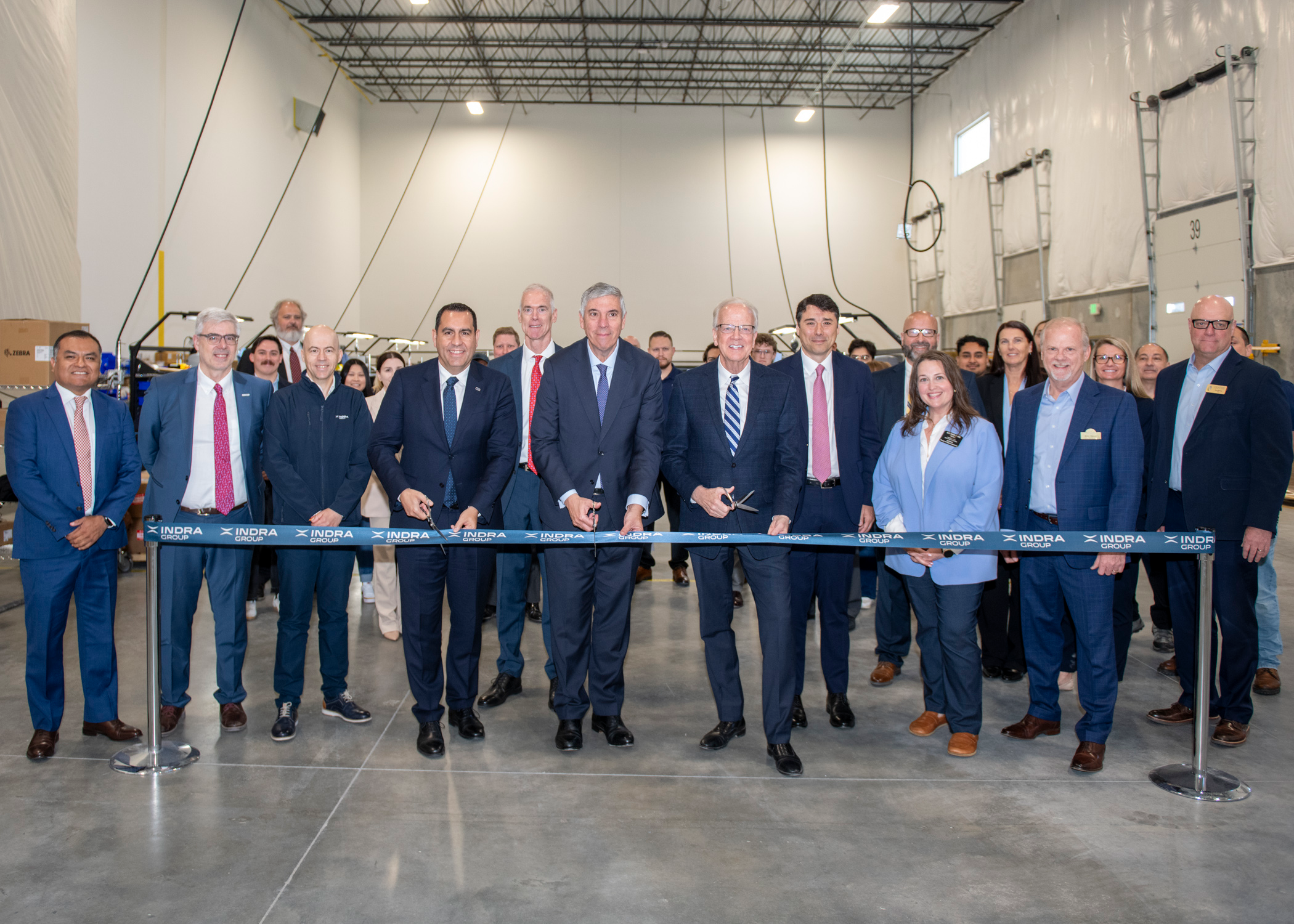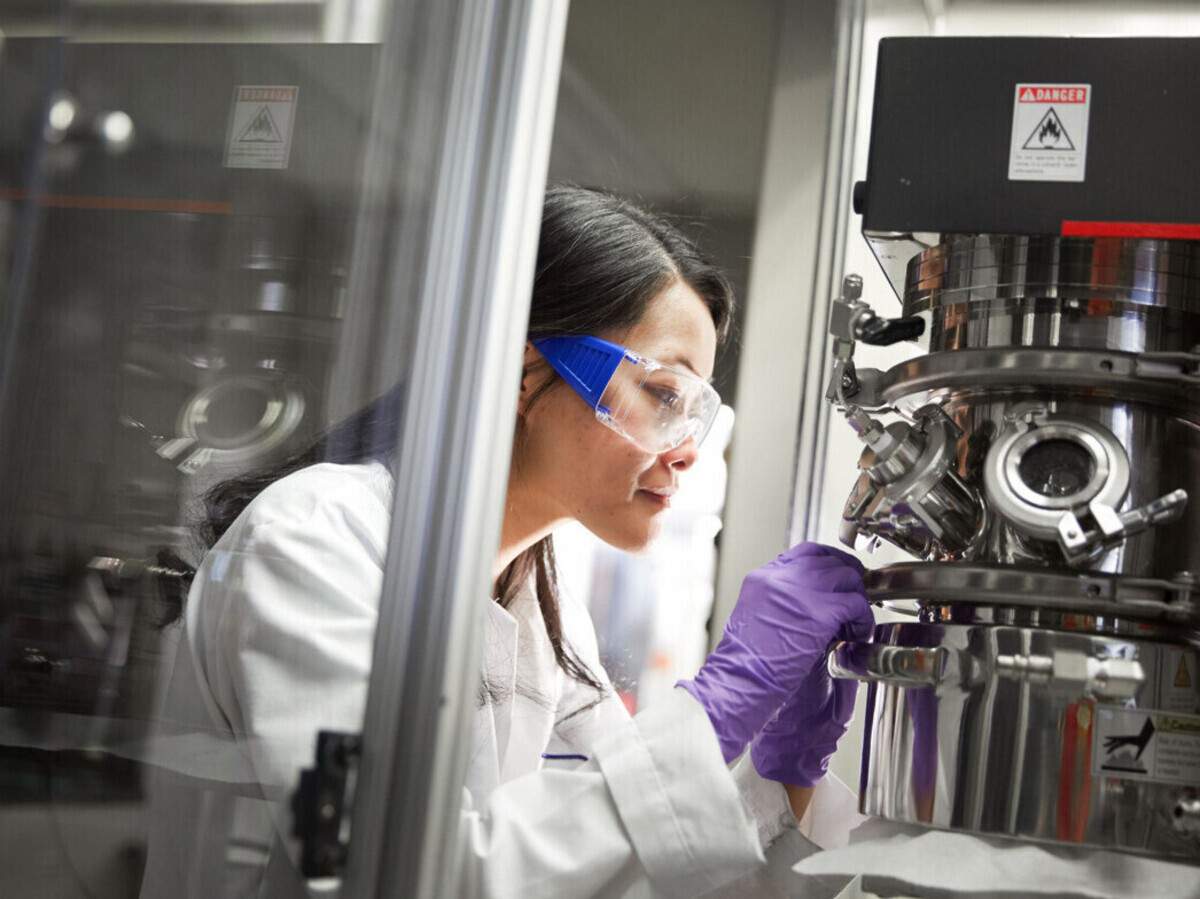
Arkema has inaugurated an expanded research and development centre in Shanghai, increasing its laboratory space by approximately 20% and adding facilities intended to strengthen materials development and customer collaboration in China and across Asia.
Chairman and chief executive Thierry Le Hénaff inaugurated the expansion during a visit to China, joined by French diplomatic representatives, local officials, customers and industrial partners. The company announced the opening on 15 October but has not disclosed the capital cost or a corresponding increase in staffing.
The new space is part of an existing research site, not a new commercial chemical manufacturing plant. Arkema describes the investment as an upgrade to its laboratory capacity and cross-business development activities, rather than a change to its industrial production output.
Shanghai’s centre was established in 2011 as Bostik’s Asia Technology Center, originally focused on adhesive solutions. Its remit has since broadened to materials synthesis, formulation development and testing intended to establish suitability for specific customer applications.
The expansion adds collaborative areas and an interactive showroom in which Arkema can demonstrate specialist material solutions. Such areas support technical discussions and product demonstrations, but the company has not attributed a quantified increase in research throughput or sales to the new facilities.
Materials formulation work connects the properties of chemical constituents to the performance of a finished component or product. Researchers select and combine polymers, additives and other materials to obtain specified behaviours, then test whether those properties persist under the conditions expected during industrial use.
The exact process depends on the material family. Adhesive development, for example, may require tests of bonding to different surfaces, strength under mechanical loads, curing behaviour and durability when exposed to heat, humidity or other environmental conditions.
For coatings and engineered polymers, formulation choices can affect processing, surface characteristics, chemical resistance and dimensional performance. The suitability of a laboratory result must subsequently be assessed against the equipment and controls used in the intended manufacturing process.
Arkema identifies high-speed rail, food packaging and consumer products among the application areas previously served by the centre. The October expansion is intended to strengthen the facility’s ability to develop materials for such markets, but does not establish any newly approved product or production contract.
Laboratory validation and commercial qualification remain different stages. A test specimen may meet an initial material target while larger components or production runs reveal handling, repeatability or ageing issues that still need to be resolved.
Locating technical personnel close to customers can reduce the time required to exchange samples and investigate processing problems. Such cooperation is particularly relevant where finished products combine materials from several suppliers, although Arkema has not measured any improvement in development time arising specifically from the additional space.
China is the company’s second-largest market, which helps explain its continued investment in regional research infrastructure. The group intends the Shanghai centre to bring together expertise from several businesses and support co-development rather than operate only as an adhesives laboratory.
Arkema also highlighted relationships with Shanghai Chemical Industrial Park and Green Support Industry (Shanghai) Co., Ltd. These organisations are connected to the region’s start-up and technology ecosystem, providing potential routes for collaboration on new material applications.
The company did not announce a newly executed commercial research contract with either organisation on the inauguration date. Their inclusion relates to the centre’s wider development network and proposed interaction with local innovators.
Two other Arkema research projects in China are progressing separately. At Changshu, the company is modernising and scaling up its battery materials laboratory capability, work that began earlier in 2026. Arkema expects a further milestone in the two months following the Shanghai announcement.
The Shanghai opening must not be treated as completion of the Changshu programme. Nor should that work be confused with a separate planned PVDF manufacturing capacity increase in Changshu, which concerns industrial production and has its own timetable.
Arkema is also constructing a One Arkema laboratory in Guangzhou dedicated to customers in electronics and battery applications. The facility is still being built, so the October announcement does not support describing it as an operating laboratory.
Materials for batteries and electronics can require tightly controlled composition, thermal properties, chemical purity and compatibility with manufacturing processes. Research facilities serving those markets need to verify the performance of specific formulations before their adoption in production.
The Shanghai investment expands Arkema’s existing laboratory and customer development infrastructure immediately, while the Changshu and Guangzhou projects remain in progress. The longer-term value of the increased space will depend on successful materials qualification and deployment in customers’ actual manufacturing applications.