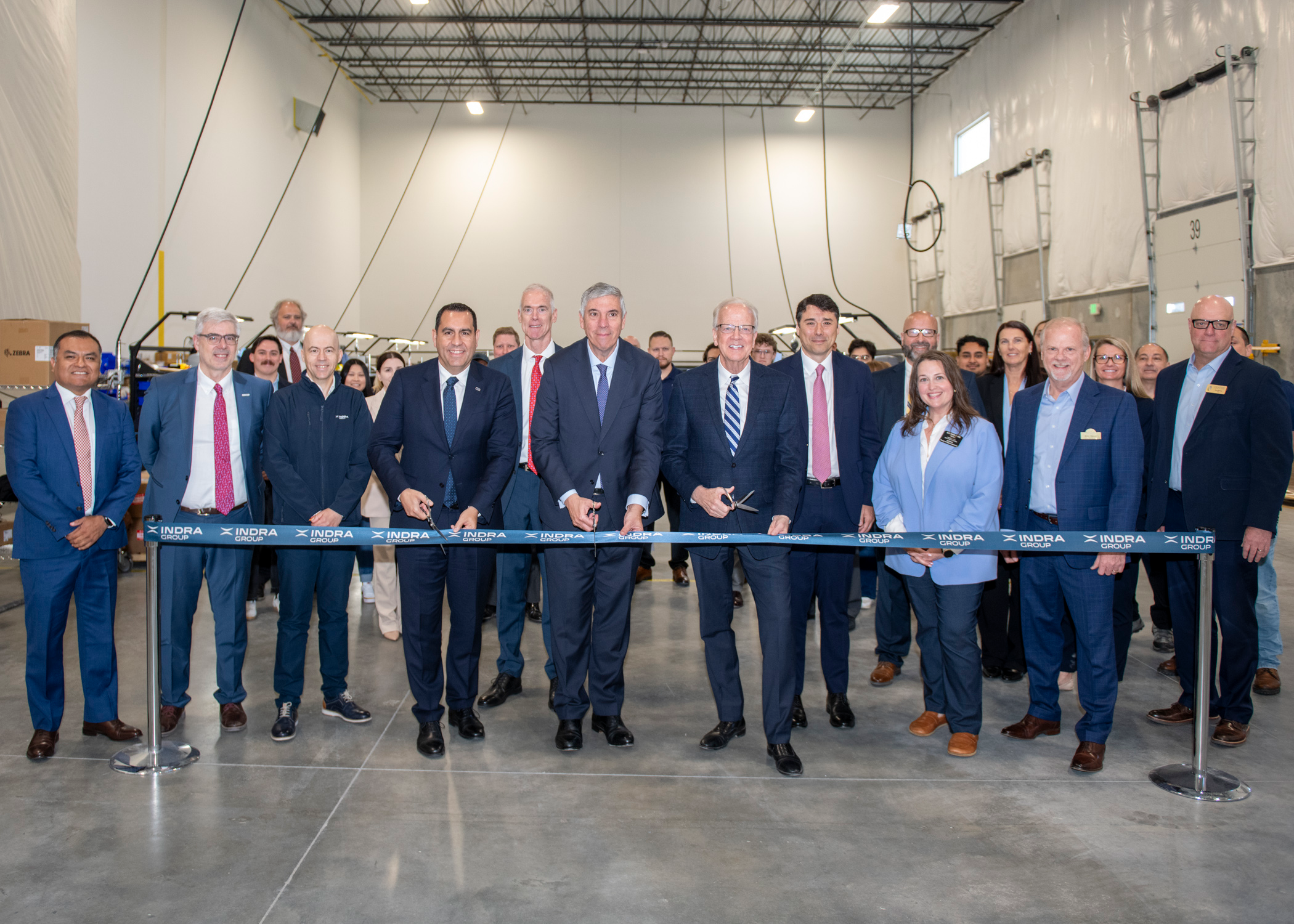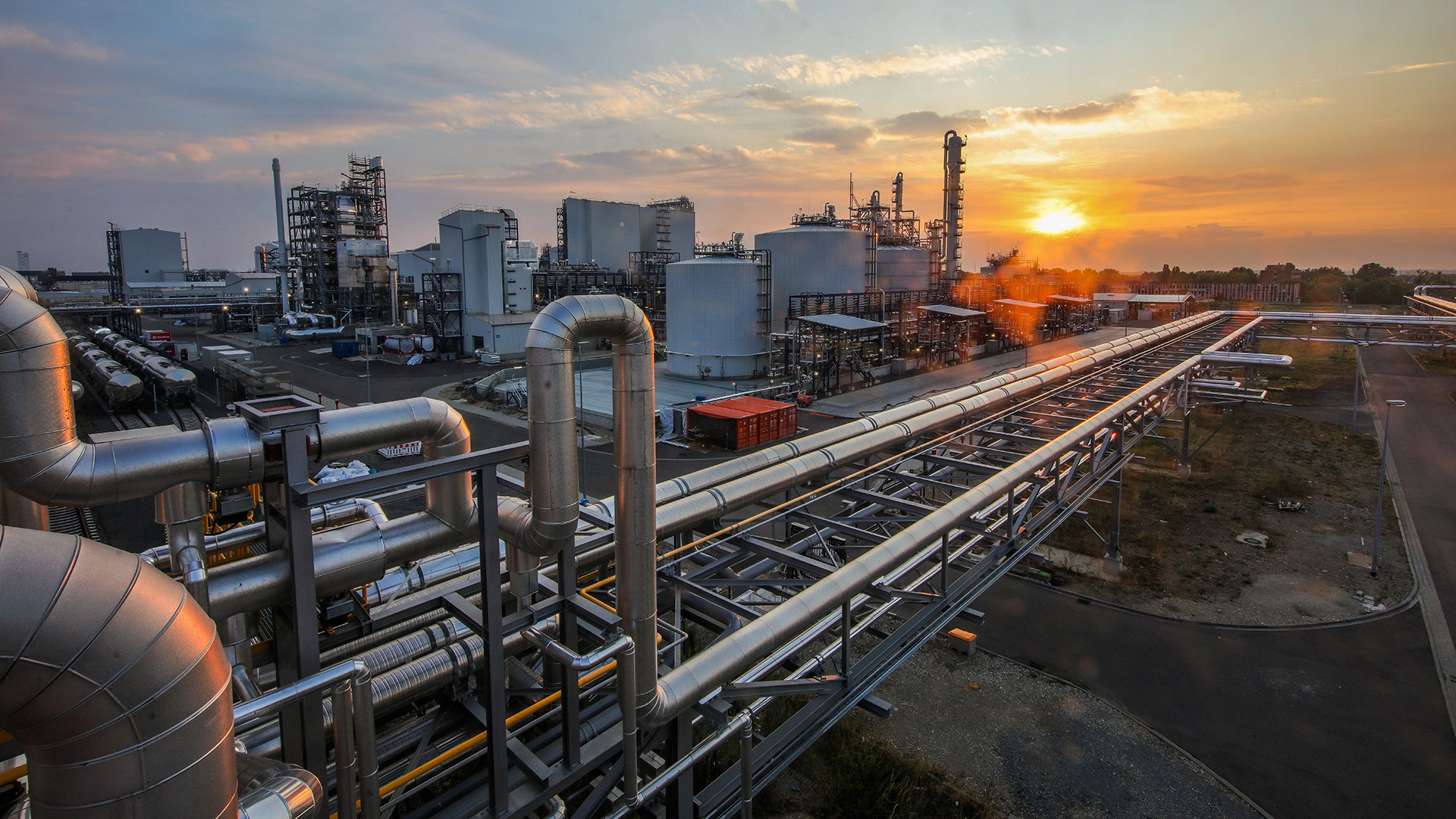
UPM has inaugurated its €1.37 billion wood-based chemicals biorefinery at Leuna in Germany, marking another industrial milestone for a plant that remains in production ramp-up. The facility is designed for 220,000 tonnes of renewable biochemicals annually, but UPM has not reported that this nameplate capacity is being achieved.
The 15 October inauguration follows earlier commissioning and commercial production announcements. UPM says enzymatic hydrolysis and the manufacture of lignin-derived specialty chemicals have now reached stable operation, and that sales of these products are increasing. It has not claimed that every process section is operating at full throughput or that the integrated refinery has completed its production ramp-up.
UPM began commercial production of industrial sugars in December 2025, after reaching stable operation in the separation of sugars and lignin. That first product milestone preceded the current inauguration by almost ten months. Progress reported this October concerns additional process stability and commercial development, not the first production of any material at Leuna.
The plant uses lignocellulosic feedstock, principally beechwood from forest thinning and sawmill residues. UPM says the material is sourced within approximately 200 kilometres and is unsuitable for higher-value uses such as furniture or construction timber. Its biochemical products are intended to provide alternatives to fossil-derived inputs in several existing industrial value chains.
Lignocellulosic biomass contains cellulose, hemicellulose and lignin, which require different processing routes. Cellulose and hemicellulose provide carbohydrate structures that can be broken down into sugars, while lignin is a complex aromatic polymer whose constituents can be used to create specialised chemical materials. Separating these fractions is one of the central engineering functions of the refinery.
At Leuna, wood preparation and conversion precede enzymatic hydrolysis, which employs catalysts produced by biological processes to break longer carbohydrate chains into smaller sugar molecules. Effective conversion depends on feedstock characteristics, accessibility of the carbohydrate fractions and the process conditions maintained across the relevant equipment.
The industrial sugars can provide feedstock for further chemical processing. UPM's planned renewable portfolio includes bio-monoethylene glycol and bio-monopropylene glycol, in addition to industrial sugar products. The company has not stated in its October announcement that each of those product streams has reached steady commercial production at design rates.
Monoethylene glycol is an established raw material for polyester manufacture, including fibres and polyethylene terephthalate packaging. The ability to supply a renewable version with suitable chemical characteristics could allow downstream processors to use familiar manufacturing routes, although individual grades must meet customer requirements for purity and consistency.
Lignin-derived fractions provide a different route to commercial materials. UPM is developing renewable functional fillers for applications including rubber and plastics, where carbon black and mineral fillers are widely used to modify properties. Substitution requires performance testing because filler chemistry, dispersion and interactions with the surrounding polymer influence the behaviour of finished components.
The company's product development work therefore extends beyond making an intermediate at the biorefinery. Users of rubber, textiles and packaging require assurance that a new feedstock will behave consistently during manufacture and produce products meeting established performance and quality specifications. A refinery capable of producing a chemical is not necessarily supplying every potential downstream application at commercial volume.
Operating the integrated site also requires reliable transfers between its process stages. Variation in wood moisture, composition and physical properties can influence material preparation and conversion. Process equipment must control the relevant variables while separating product streams and handling residual material without interrupting continuous production.
UPM's confirmation of stable enzymatic hydrolysis and lignin-based specialty chemical production is consequently more specific than a ceremonial opening. It reports progress through identified technical operations, even while the company continues to ramp up sales and does not disclose a complete site-wide production yield or utilisation rate.
The investment represents an industrial attempt to manufacture standard chemical building blocks from renewable carbon rather than oil and gas feedstocks. UPM has described the Leuna facility as the largest biorefinery of its kind, but that classification remains the company's description rather than an independently verified comparison of competing plants.
Potential environmental benefits depend on more than the origin of the carbon. Forestry management, transporting feedstock, energy consumed in conversion, product yields and the use or disposal of material all contribute to lifecycle performance. No standalone lifecycle emissions saving for production achieved during the October commissioning period was supplied in the inauguration release.
Regional sourcing is intended to reduce reliance on long-distance deliveries of raw material, while feedstock quality and availability remain operating considerations. The company previously tested a rail delivery route into the wood yard, demonstrating that logistics arrangements form part of the broader infrastructure needed to sustain an integrated plant of this scale.
With stable operation now established in named production sections, Leuna has progressed beyond its initial industrial sugar milestone. The next meaningful measures will be sustained output across the whole process, consistent product quality and commercial delivery volumes against the 220,000-tonne annual design capacity, rather than the inauguration ceremony itself.