Katsa is expanding its gearbox manufacturing operations with a new 54,000 sq ft assembly and warehousing facility in Pirkkala, Finland. The Twin Disc subsidiary expects the plant to be fully operational by May 2027, with additional production space, lifting capacity and integrated testing equipment supporting its target of doubling gearbox assembly capacity by 2028.
The investment follows double-digit annual growth in demand for Katsa’s power transmission equipment, including products used in defence, industrial power generation and heavy machinery. The new building will bring assembly, testing and painting into a common production area while providing warehouse capacity for components and finished products.
Katsa’s existing component manufacturing activities are based nearby in Tampere. The Pirkkala warehouse will receive material from those operations and external suppliers, with parts moving into assembly according to production requirements before completed equipment undergoes testing, finishing and dispatch.
Combining these stages within one facility is intended to reduce the handling and transport required between operations. The extent of the improvement will depend on the layout of the production areas, the equipment used to move heavy assemblies and the sequence in which individual gearbox models are manufactured.
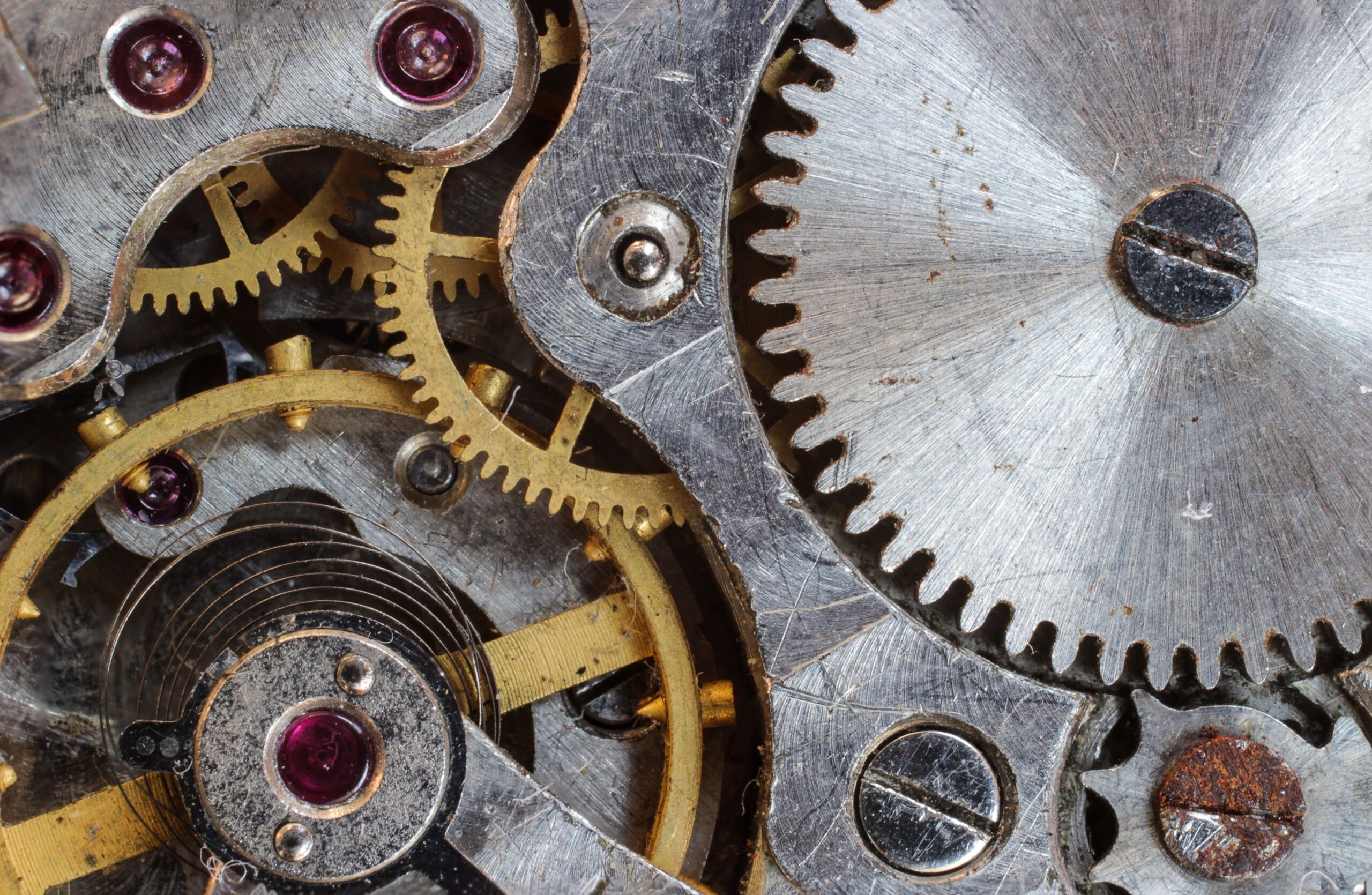
Industrial gearboxes transmit mechanical power between rotating equipment, changing the relationship between rotational speed and torque. Their internal gear arrangements, shafts and bearings must be selected for the loading and operating conditions of the machinery to which they are connected.
Many applications require a reduction in rotational speed to provide greater output torque, while others involve different transmission ratios or configurations. Gear selection and housing design depend on the duty cycle, expected loads, operating speed and environment, particularly where equipment must run for long periods or accommodate changing mechanical forces.
The manufacturing requirements are correspondingly varied. Large gear sets need accurate tooth geometry and surface condition, while bearings and shafts must be positioned so that loads are distributed as intended. The assembled housing provides the mechanical structure required to maintain alignment and protect internal components.
Dimensional differences between individual gearbox models can complicate assembly planning. Equipment intended for heavy industrial applications may require larger housings and components than smaller transmissions, changing the lifting arrangements, workstation space and tooling needed to complete the build.
The Pirkkala facility will include a 20-tonne overhead crane, doubling the lifting capacity available in Katsa’s existing assembly operation. This will allow the manufacturer to handle larger gearbox components and completed assemblies during production and testing.
Lifting capacity is one constraint on the manufacture of heavy equipment. The available crane capacity must be matched by suitable lifting points, handling equipment and procedures, while the arrangement of workstations needs to provide safe access around components during assembly.
The new crane does not, by itself, establish the maximum torque rating or dimensions of the gearboxes Katsa will manufacture. Those characteristics also depend on the engineering design, the machinery available to produce components and the capacity of the testing equipment installed at the facility.
Assembly accuracy influences the performance of the finished transmission. The position of shafts and bearings affects the contact between gear teeth, while incorrect clearances or alignment can increase vibration, operating temperature and component wear.
Testing provides a means of checking whether an assembled gearbox meets the requirements established for its design. Procedures may examine operation under specified conditions, including vibration, temperature, noise and lubrication performance, according to the product and the customer’s acceptance criteria.
Locating testing within the new assembly building should reduce transfers of large equipment between production areas. Where testing identifies a problem requiring adjustment, a shorter physical route back to assembly may simplify the process, although the company has not disclosed any measured reduction in rework time.
Painting will also take place within the Pirkkala facility. Industrial coatings protect external surfaces against corrosion and environmental exposure, with preparation, application and inspection requirements varying according to the equipment’s intended service conditions.
Integrating finishing with assembly and testing allows the manufacturer to coordinate the movement of completed units through the final production stages. Warehouse space will support the subsequent handling and dispatch of gearboxes, reducing the need to rely on separate buildings for storage and shipping activities.
The facility is intended to increase capacity without disconnecting assembly from the component production expertise established in Tampere. The short distance between the operations should allow parts to move between manufacturing and assembly while retaining the specialist functions already performed at the existing plant.
Katsa is adding 40 employees across its manufacturing and current assembly operations in Tampere. A further 25 experienced employees will transfer into the Pirkkala plant when it enters service, providing continuity as the new assembly and testing arrangements are introduced.
The company expects its total workforce to reach approximately 250 by June 2027. The transfer of existing employees is separate from the additional recruitment, and the announcement does not state that all 40 new positions will be based at Pirkkala.
Mechanical assembly depends on experience as well as equipment capability. Technicians need to follow product-specific procedures, recognise the significance of fit and alignment, and complete the inspection and documentation requirements associated with each transmission.
Moving experienced employees into the new building can support the introduction of operating procedures and the training of additional personnel. The transition will also require coordination with ongoing production so that the installation and commissioning of equipment do not unnecessarily interrupt existing customer orders.
Demand for Katsa’s products is being driven by several industrial markets. The company supplies gearboxes and components for heavy machinery, defence and power generation, where equipment specifications vary according to the installation and the mechanical duties involved.
Katsa also supplies components to major engine manufacturers associated with data centre backup power systems. Twin Disc has clarified that the company does not supply gearboxes directly to data centre operators, making its role part of the wider equipment manufacturing supply chain.
The new facility incorporates a geothermal heating and cooling system comprising ten wells, each approximately 350 metres deep. Katsa expects the arrangement to meet around 98% of the building’s heating and cooling requirements.
Ground-source systems exchange heat with the surrounding ground, using the temperature difference to support building heating or cooling. Their performance depends on the ground conditions, thermal demand and characteristics of the associated heat transfer equipment.
The projected 98% contribution relates to heating and cooling rather than the total energy required to manufacture gearboxes. Electrical demand from machine tools, cranes, test equipment and other production activities is separate from the building’s thermal requirements.
Construction has progressed to the completion of the roof, a milestone marked by a topping-off ceremony in October. Equipment installation, building services and commissioning will follow before the planned start of full operations in May 2027.
Tomi Koskinen, managing director of European manufacturing operations at Twin Disc, has linked the investment to increased orders and the need for additional production space. Katsa is also planning a second expansion phase, although no capacity, expenditure or delivery date has been confirmed for that stage.
The 2028 target of doubling assembly capacity remains a company projection. Its achievement will depend on the successful commissioning of the Pirkkala facility, recruitment and training, equipment availability and the ability of component manufacturing and testing operations to support higher production volumes.