The Environment Agency has authorised construction of a £19.8 million coastal defence scheme at Torcross in south Devon, with Kier Infrastructure appointed to deliver the engineering works. The project will place almost 90,000 tonnes of rock armour along the shoreline, restore damaged protection around the car park and extend the slipway following severe storms earlier in 2026.
The agency confirmed on 14 October that the scheme had secured the necessary marine and planning consents. The first rock delivery by barge is expected during the following week, subject to weather conditions, allowing an accelerated construction programme to begin ahead of the winter storm season.
Approximately 58,000 tonnes of rock will be transported by sea, with a further 30,000 tonnes of smaller material arriving by road. Marine shipments are scheduled between mid-October and early December, while road deliveries will continue until the end of January 2027.
Rock armour installation is expected to run from October through April 2027. The car park sheet piling and slipway extension are scheduled for spring 2027, with completion of the scheme and reopening of the car park anticipated in early summer. The Environment Agency has cautioned that weather and operating conditions could alter these dates.
Torcross occupies an exposed position on the south Devon coastline, where wave action can place substantial loads on shoreline structures. Storms in January and February damaged existing defences, prompting work to develop and obtain consent for the current protection programme.
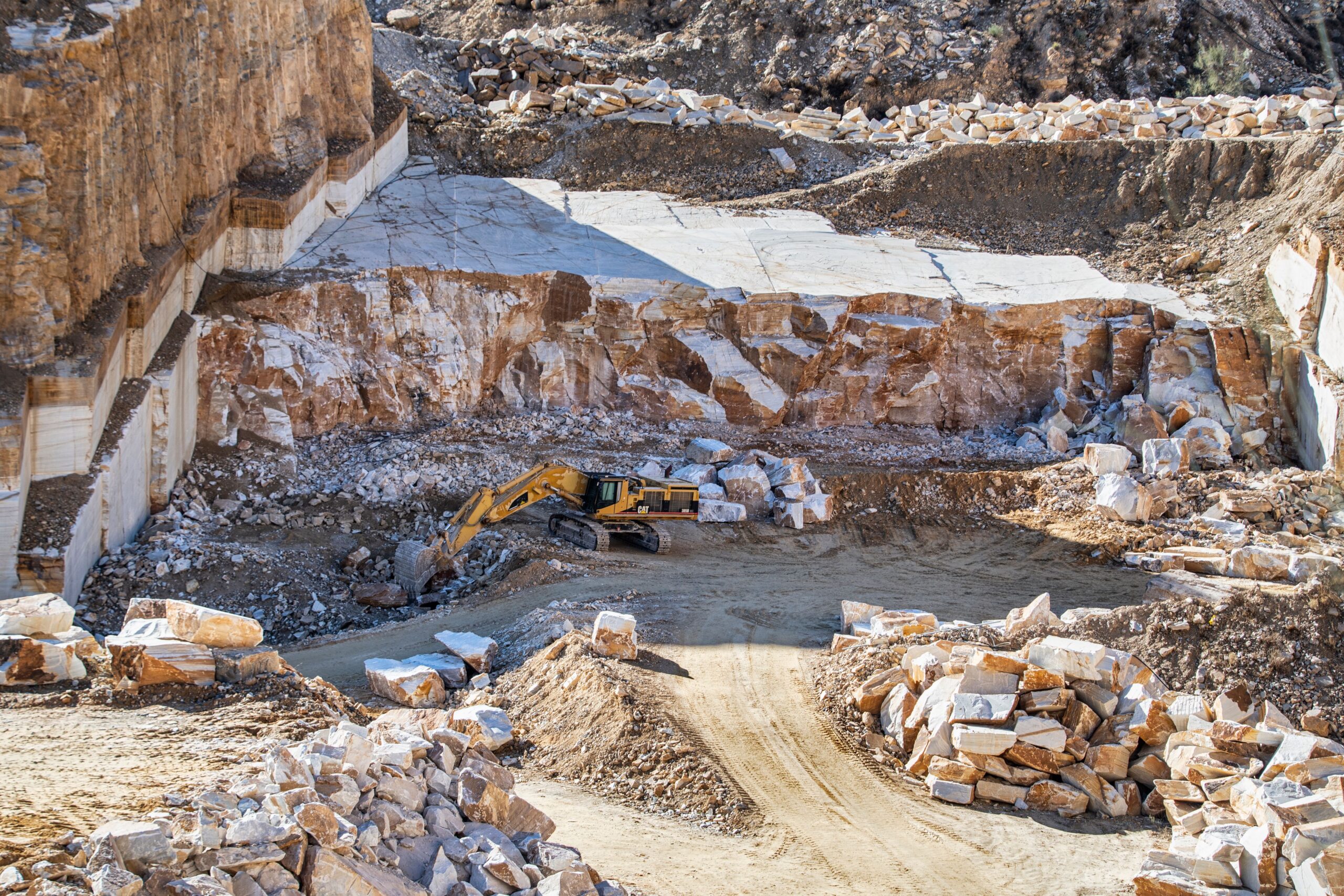
Rock armour uses large stones to form a protective structure that absorbs and disperses energy from incoming waves. Unlike a continuous vertical wall, an armoured slope contains irregular surfaces and spaces between individual rocks, changing how waves break and how water moves across the structure.
Its performance depends on the size and density of the rock, the gradient of the slope and the arrangement of the layers. Individual units must be sufficiently stable under the anticipated wave conditions, while the material beneath them must remain protected from erosion that could undermine the outer armour.
Wave loading is not constant. Water levels, wave height, direction and the duration of severe conditions affect the forces experienced by the revetment. Engineers must therefore consider both the stability of individual rocks and the performance of the completed structure during combinations of conditions likely to occur over its design life.
Underlying material is another consideration. Water moving through gaps in the armour can disturb finer particles if suitable filter layers and foundation arrangements are not provided. Loss of this material can create voids or settlement, reducing the support available to the larger protective rocks.
The construction method needs to preserve the intended arrangement of the layers. Placing rock by heavy machinery requires sufficient access and control over individual units, particularly where the structure extends into the active shoreline and working conditions change with tides and waves.
Marine delivery is a major part of the Torcross logistics plan. Transporting nearly 60,000 tonnes by barge reduces the volume of heavy rock that must reach the site by road, although vessel availability, sea conditions and unloading arrangements will govern when that material can be positioned.
The smaller rock quantities arriving by road will be used as the works progress. Different grades of material serve different functions within a revetment, and their delivery must be coordinated so that the required layers can be installed in the planned sequence.
Construction sequencing also affects the period during which incomplete sections remain exposed. A partially installed defence may not provide the resistance of the finished structure, particularly before foundation and protective layers have been fully established. The programme will therefore have to account for available weather windows and safe working conditions on the shoreline.
The scheme extends beyond the main rock armour frontage. Storm damage affected the car park defences, which will be reinstated as part of the project, while the slipway will be extended to restore the intended access arrangements.
Sheet piling is planned around the car park. Interlocking steel sections can form a retaining or protective structure where ground support or separation from surrounding material is required. Their final arrangement depends on the engineering design, the conditions at the site and the loads that the completed structure must resist.
The slipway introduces separate geometric and operational requirements. Its surface and gradient need to accommodate intended users while connecting with the altered shoreline arrangement. The construction of access facilities must be coordinated with the neighbouring protection works so that the completed elements function together.
Torcross lies within the Slapton Ley Site of Special Scientific Interest and close to the Skerries Bank and Surrounds Marine Conservation Zone. The project has secured permissions following consultation involving Natural England, the Marine Management Organisation and the relevant local planning authority.
Those designations place additional attention on how work is carried out. Movement of heavy construction materials, access to the shoreline and activities in the marine environment must comply with the relevant consent conditions as well as the engineering requirements of the scheme.
Kier Infrastructure will deliver the works in coordination with the Environment Agency and local stakeholders. George Arnison, the agency’s project lead, said reaching the construction stage followed extensive preparation to obtain the necessary permissions and organise delivery within a shortened programme.
The £19.8 million allocation comes from the Environment Agency’s existing investment programme, funded through the Department for Environment, Food and Rural Affairs. It is ring-fenced for flood and coastal defence work and is separate from any expenditure relating to the A379, for which Devon County Council holds highway responsibility.
The distinction prevents the coastal scheme from being interpreted as approval or funding for a separate road reinstatement programme. Although shoreline protection and highway infrastructure may be affected by the same coastal processes, their engineering responsibilities and funding arrangements remain separate.
The immediate milestones are the first marine deliveries, installation of the rock armour and spring construction of the car park and slipway elements. Completion remains targeted for early summer 2027, with the final outcome dependent on the progress of work in an exposed coastal environment.