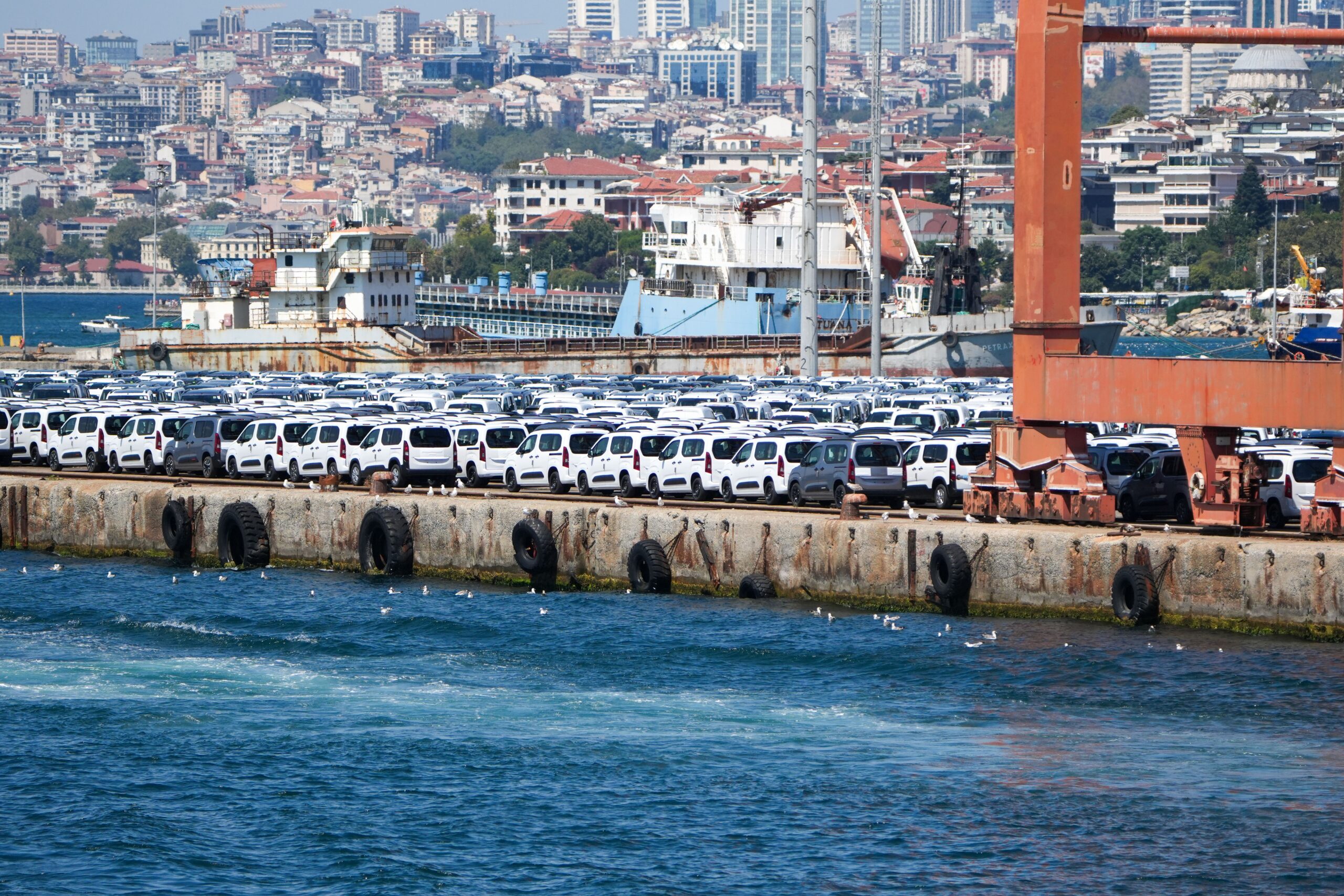
The UK government is resisting European Union pressure to impose additional tariffs on Chinese vehicles, maintaining that trade restrictions must be assessed against British economic interests rather than adopted to match EU policy. Business Secretary Jonathan Reynolds confirmed the position on 14 October, as automotive manufacturers confronted the prospect of further divergence between the two markets.
Reynolds said the UK would not introduce tariffs merely because the EU wanted closer alignment on Chinese automotive imports. His comments do not amount to a permanent commitment against trade restrictions, with the government retaining the ability to examine the position if market conditions or the evidence supporting intervention change.
The UK has not replicated the additional duties introduced by the EU on battery electric vehicles manufactured in China. Those European measures followed an anti-subsidy investigation and were intended to address what the European Commission considered unfair competitive advantages associated with Chinese government support.
The difference creates separate trading conditions for manufacturers supplying the British and European markets. Imported vehicles can face different tariff treatment depending on their destination, while the companies producing them must consider rules governing market access, vehicle approval and the sourcing of components.
Britain’s automotive manufacturing base remains closely connected to production across continental Europe. Vehicle factories receive components from overseas suppliers and export completed models to international customers, with European markets representing an important destination for UK-built vehicles.
These arrangements are established years before a vehicle begins production. Manufacturers commit to tooling, machinery and supplier agreements according to expected volumes, technical specifications and the location of final assembly. Changes in trade policy can therefore influence investment decisions well before their effects appear in vehicle prices.
Tariffs on finished vehicles alter the cost of supplying a market, but their consequences depend on the origin and movement of components as well as the location of assembly. A manufacturer can produce vehicles within one country while importing battery cells, electronic systems, castings and other parts from several others.
The commercial effect of an import duty will depend on the product covered, its declared origin and the terms under which it enters the market. A company may absorb part of the additional cost, adjust prices or change its production arrangements, although each response has implications for manufacturing expenditure and supply commitments.
Reynolds also rejected the suggestion that leaving Chinese vehicle imports outside additional UK tariffs would create a simple route for manufacturers to bypass European measures. Vehicles imported into Britain do not automatically acquire British origin or qualify for preferential access to the EU market.
Rules of origin are central to that distinction. They establish whether goods satisfy the production and material requirements needed to receive particular tariff treatment under a trade agreement. Importing a completed vehicle from China and subsequently exporting it from Britain would not, by itself, transform it into a qualifying UK-manufactured product.
Manufacturers must therefore distinguish customs treatment from the broader question of where production takes place. A factory that undertakes substantive manufacturing can have a different origin position from an importer or distributor handling vehicles assembled elsewhere, but the applicable rules must still be met.
European policymakers are considering further measures intended to support industrial production within the bloc. Proposed Made in Europe provisions under the Industrial Accelerator Act could make access to certain incentives or procurement opportunities dependent on where manufacturing activity and components originate.
These proposals create a separate challenge for UK suppliers. British-made components can be deeply integrated into European vehicle production even though the UK is outside the EU, raising questions about how the proposed rules would treat established supply relationships.
Mercedes-Benz chief executive Ola Källenius, speaking as president of the European Automobile Manufacturers’ Association, has warned that excluding the UK from the proposed industrial arrangements could weaken the sector on both sides of the Channel. His intervention reflects concern about the practical consequences of dividing interconnected production networks along jurisdictional lines.
The manufacturing issue extends beyond complete vehicles. Automotive supply chains include specialist materials, precision-machined components, electronics and electrical equipment that may pass between production facilities before entering a finished vehicle. Restrictions affecting procurement or the recognised origin of those inputs could alter sourcing decisions even where no new duty is imposed on the component itself.
Electric vehicle batteries create further complexity because they represent a substantial proportion of the value and material content of a completed vehicle. Cell production, battery assembly and the origin of constituent materials can affect compliance with the rules applying to vehicle trade between Britain and the EU.
Regional battery manufacturing therefore carries both an industrial and a trade policy function. A new cell factory adds production capability, but manufacturers must also establish whether the materials and processing arrangements satisfy the origin requirements relevant to their export markets.
The EU’s position on Chinese automotive imports is also developing. Alongside its duties on Chinese battery electric vehicles, European authorities have reached an arrangement with China intended to restrict hybrid vehicle imports. This is a separate trade measure and should not be confused with the tariffs previously introduced on electric vehicles.
Chinese automotive manufacturers are responding to the European market by developing production and supplier relationships within the region. Establishing local assembly can alter the origin and cost structure of finished vehicles, although the result depends on the scale of manufacturing activity and the relevant trade requirements.
Britain’s decision not to follow the EU automatically leaves manufacturers planning around two potentially different policy regimes. The effects will depend on the final shape of European industrial legislation, the UK government’s assessment of import competition and the investment decisions made by vehicle and component producers.
Reynolds has left the question of future UK tariffs open rather than announcing an immediate investigation or new duty. For now, the confirmed development is the government’s refusal to impose restrictions solely to satisfy European pressure, while maintaining its position that automotive trade decisions must be judged against British industrial and economic conditions.