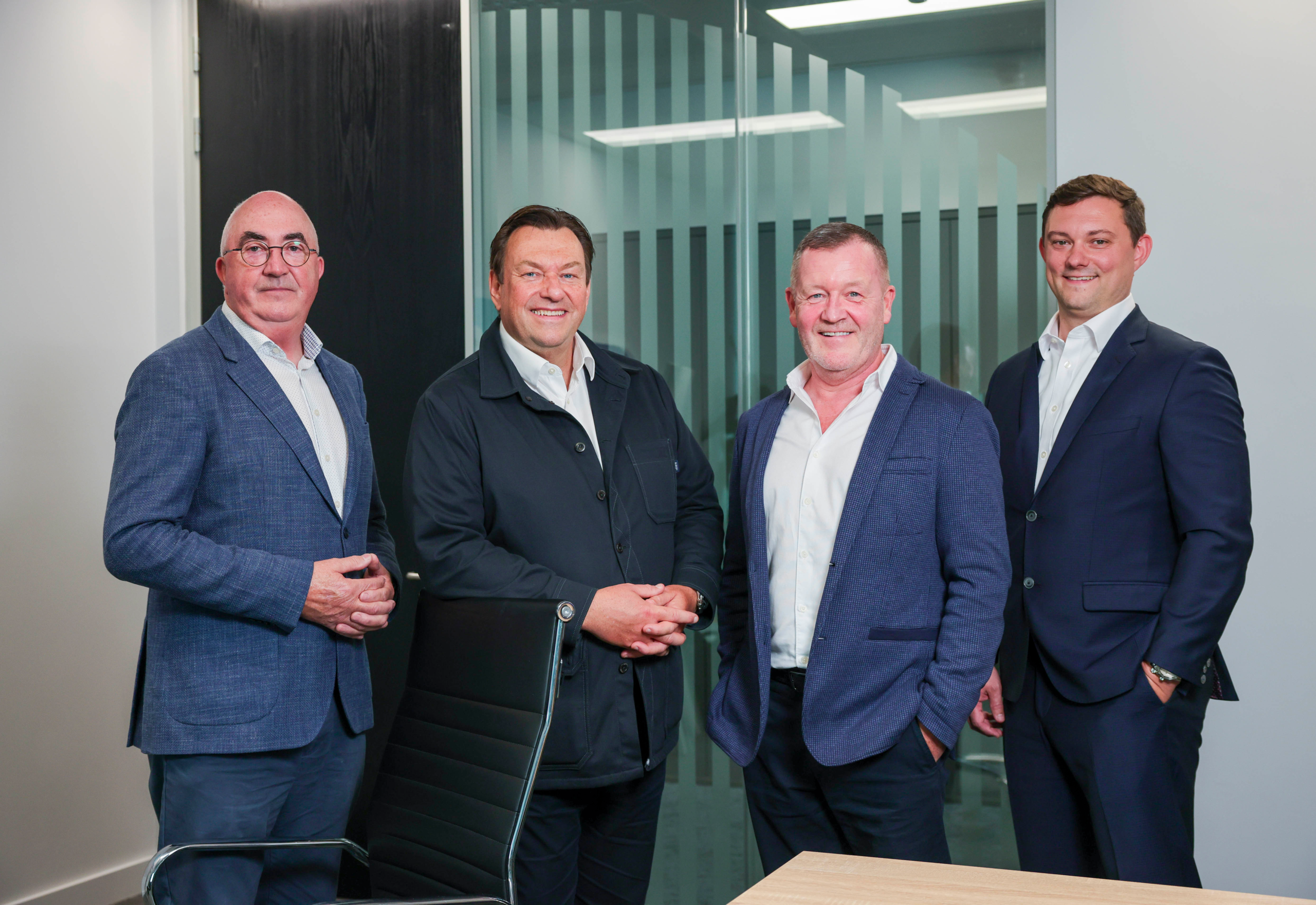
DTGen has acquired Irish generator maintenance specialist Realpower, expanding its ability to design, deliver and service standby power systems across the United Kingdom and Ireland. The acquisition combines DTGen’s project engineering and generator installation activities with Realpower’s established maintenance business, increasing the geographic reach of the combined operation and the number of engineers available for ongoing support.
The combined organisation employs more than 110 people, including 70 engineers, and has facilities in Glasgow, Bristol and Northampton, together with Realpower’s base in Moydrum, County Westmeath. DTGen expects the acquisition to support at least ten additional jobs. The transaction was announced through DCC Energy Ireland, but its price and the detailed timetable for combining service operations have not been disclosed.
DTGen brings 22 years of experience in standby power generation and project delivery, while Realpower has spent 16 years specialising in maintenance and associated services. The two businesses therefore cover different points in the working life of critical power infrastructure. Installing a generator and its associated controls is only the first part of providing dependable standby capacity; inspection, planned servicing, testing and repair have to continue throughout the equipment’s operating life.
Hospitals, industrial plants, data centres and public infrastructure use standby power arrangements where the consequences of losing an electrical supply are substantial. A generator is specified against a site’s critical loads, transfer requirements and allowable interruption time, rather than selected on nameplate capacity alone. Acquisition of a maintenance business increases the resources available for this work, but does not itself demonstrate the availability or performance of any particular installation.
A critical power arrangement usually involves several interacting elements: the generating equipment, starting and control systems, transfer arrangements, distribution protection and, where necessary, additional energy storage or uninterruptible power supplies. The electrical characteristics of the connected equipment shape the configuration. Large motors, electronic power supplies and other demanding loads can affect starting requirements and voltage stability, while changing site operations may alter the power that must be supported during an outage.
Generator maintenance has to address risks that may remain hidden during normal operation. Batteries and starting equipment can deteriorate even when the engine is rarely called upon, while cooling systems, fuel arrangements, controls and protective devices need periodic inspection. Scheduled runs provide useful information but do not necessarily replicate the electrical demand of a real outage. Tests must be designed to demonstrate the response required by the particular installation, rather than merely confirm that a generator can start.
Realpower’s business includes planned preventive maintenance, servicing, inspection and emergency repair of generator installations across Ireland. Its addition gives DTGen a larger service footprint and local engineering resources that can be used alongside design, commissioning and lifecycle support. That creates the potential for project teams and maintenance personnel to share knowledge about the equipment they install and later operate, provided records, responsibilities and response arrangements are integrated effectively.
Remote monitoring forms part of the combined service proposition. Generator controllers can report operating states, alarms and selected performance data, allowing engineers to investigate some developing problems before attending site. Monitoring cannot replace physical inspections or functional testing, however, and the usefulness of an alert depends on the accuracy of the sensors, the quality of communications and a defined process for responding. A monitoring service also needs to distinguish faults affecting immediate availability from routine maintenance warnings.
An additional maintenance base can improve geographic coverage only when suitably qualified engineers, spare parts and site access arrangements are available when equipment fails. The enlarged network may give customers more options for scheduled servicing and emergency support, but neither a response-time reduction nor a common service-level guarantee was disclosed. The practical benefit will depend on how local teams are resourced and coordinated.
The business combination also extends DTGen’s ability to offer service across the equipment lifecycle, including system design, installation, commissioning, maintenance and emergency support. Continuity between those stages can help maintain an accurate record of design assumptions and subsequent changes. If a customer increases the supported load or adds new distribution equipment, the effect on generator capacity, protection and control should be assessed, with test schedules updated where necessary.
Commissioning evidence is especially significant where standby systems interact with automatic transfer arrangements or other energy sources. The protection settings, sequence of operations and recovery from an abnormal event must be tested against the site’s requirements. Periodic inspection then checks that the installation remains capable of delivering the original design intent as components age and the operating environment changes.
DTGen plans to recruit at least ten additional staff as it expands its engineering and service coverage across Britain and Ireland, although the timing of those appointments has not been announced. Maintaining standby power availability during the integration will require continuity of maintenance records, engineer coverage and site access. Planned servicing and periodic functional tests remain immediate obligations for the enlarged business.