voestalpine has received the core equipment for its new electric arc furnace in Linz, moving one of the principal projects in its €1.5 billion greentec steel programme into final assembly ahead of planned commissioning in the first half of 2027.
The furnace components weigh around 790 tonnes in total and were delivered through a series of heavy transports, mainly by ship. Major items were manufactured in Germany, Italy, and Turkey before being moved to Linz, where they will now be assembled, aligned, and integrated with the surrounding steelworks.
The delivery covers the main mechanical components needed to build the furnace itself while work continues on the building, electrical supply, raw-material handling, secondary metallurgy, and supporting infrastructure. voestalpine is carrying out the programme inside an operating steelworks rather than on a greenfield site, increasing the complexity of construction and logistics.
The Linz furnace is designed to produce around 1.6 million tonnes of steel annually once fully ramped. A second electric arc furnace is being built at Donawitz, with the two installations forming the first major production step in the group’s move away from conventional blast-furnace steelmaking.
voestalpine expects the initial conversion to reduce its carbon dioxide emissions by up to 30% by 2029 compared with 2019. The group estimates the reduction at almost four million tonnes of CO2 annually once the first stage of the programme is operating.
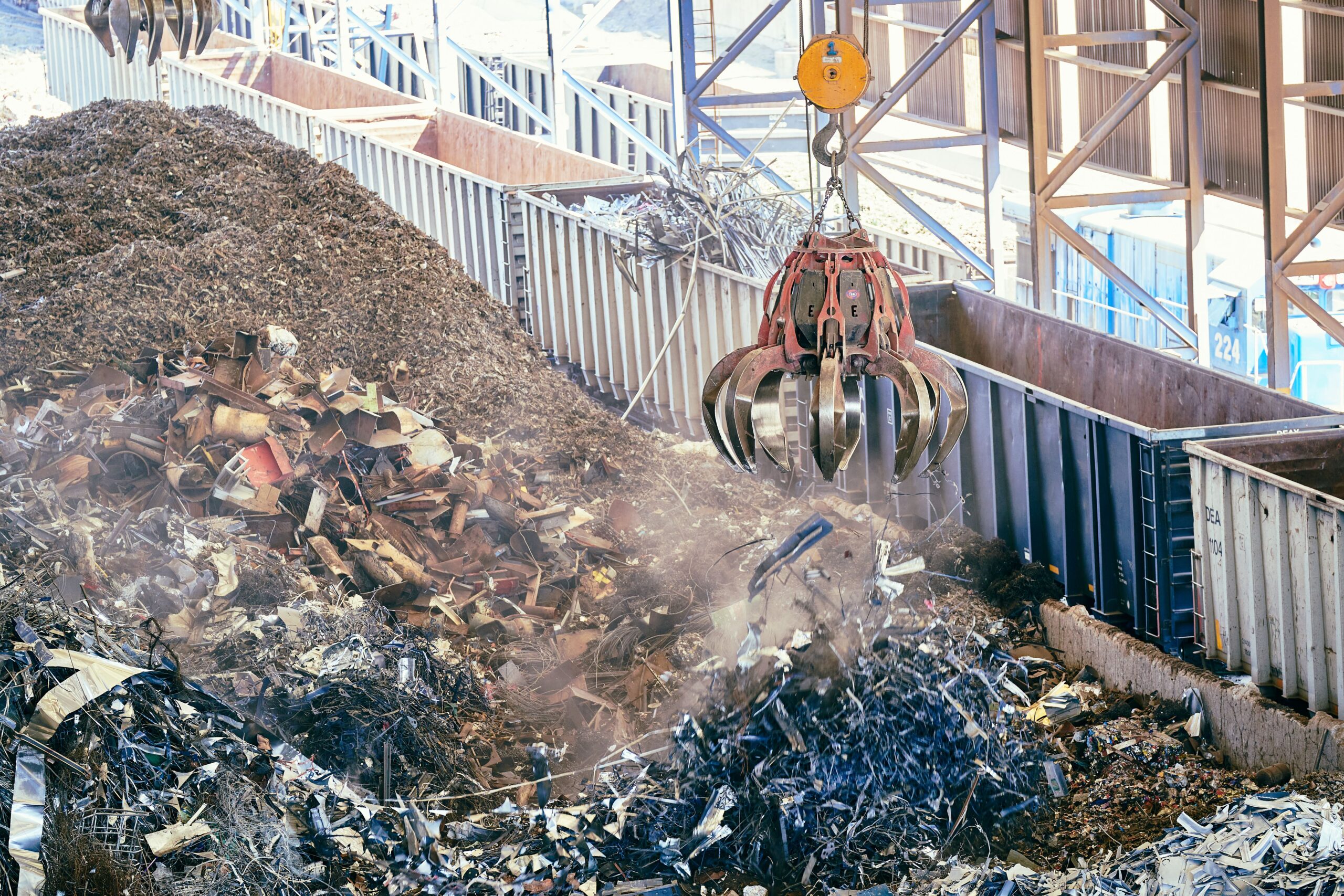
Electric arc furnaces alter both the energy source and material balance of steelmaking. Integrated production uses coke and coal in blast furnaces to reduce iron ore and produce hot metal before conversion into steel. An EAF melts metallic feedstocks using electrical energy, allowing operators to use combinations of scrap, pig iron, direct reduced iron, or hot briquetted iron according to grade requirements and availability.
At Linz, voestalpine plans to use scrap, pig iron, and HBI. Supporting infrastructure is being developed alongside the furnace, including facilities to receive and continuously feed HBI. Those material systems are essential because the furnace can operate efficiently only if the correct metallic charge is delivered at the required rate and composition.
Power infrastructure is equally significant. The EAF requires connection to a 220kV network, and voestalpine has been installing new substations, transformers, and underground cable infrastructure around the site. Three 300MVA transformers are being integrated into the south substation, while a dedicated microtunnel carries high-voltage infrastructure towards the new electric steel plant.
The furnace transformer itself is rated at 240MVA. Components including the furnace vessel and cradle have come from several European suppliers, reflecting the coordination needed before the first melt can take place. voestalpine says more than 500 suppliers are involved across the wider Linz programme, with more than 90% based in Austria.
Construction is taking place across more than 20 individual projects while existing production remains highly utilised. The new EAF hall measures roughly 100 metres long, 60 metres wide, and 65 metres high, with secondary metallurgy and material-handling systems progressing in parallel.
Sequencing those projects is critical because delays in utilities, treatment systems, or material handling can prevent the furnace operating even when its core vessel is mechanically complete. The project therefore moves from civil and structural work into a stage where interfaces between mechanical, electrical, and process systems become increasingly important.
The arrival of the 790 tonnes of core equipment changes the nature of that risk. Installation now depends on mechanical assembly, alignment, electrode systems, furnace movement, off-gas connections, electrical integration, and control-system commissioning.
Large metallurgical equipment leaves little tolerance for poor positioning. Charging systems, electrodes, vessel movements, tapping, off-gas extraction, and ladle handling have to operate as one production sequence rather than a collection of independent machines.
First melts will still not equal full industrial output. voestalpine plans testing, trial operation, inspections, and a staged production ramp before the furnace reaches routine operation. That commissioning period will determine how quickly production can transfer from existing blast-furnace routes without disrupting customer supply or steel quality.
The project also demonstrates that lower-carbon steel production is an infrastructure programme rather than a single-equipment replacement. Electrical networks, metallic feedstocks, scrap logistics, secondary metallurgy, testing, material handling, and workforce procedures all have to change around the furnace route.
With the main EAF components now at Linz, the project has moved decisively from civil construction towards integration. Commissioning remains targeted for the first half of 2027; the more demanding milestone will be bringing the furnace to 1.6 million tonnes of stable annual output while maintaining the grades required by voestalpine’s automotive, engineering, rail, and energy customers.