Private equity investor Exponent has agreed to invest in KTL, an engineering services business operating across telecommunications and power infrastructure in Ireland and the UK, with new capital earmarked for additional capability, workforce capacity, and services.
KTL is headquartered in Naas, County Kildare, with UK offices in Widnes and Glasgow. Founded in 1998, the company has expanded from telecommunications engineering into power, fibre, project management, and wider infrastructure services and now lists around 650 employees.
Exponent will back the incumbent management team led by chief executive Alan Hanamy. The value of the investment has not been disclosed, and completion remains subject to customary regulatory approvals in Ireland.
KTL’s telecommunications activities span acquisition, planning, design, transmission systems, network build, integration, service management, and professional services. Its customer list includes Vodafone, Three, BT/EE, MBNL, Ericsson, Nokia, and Community Fibre, giving the company exposure to both mobile and fixed communications infrastructure.
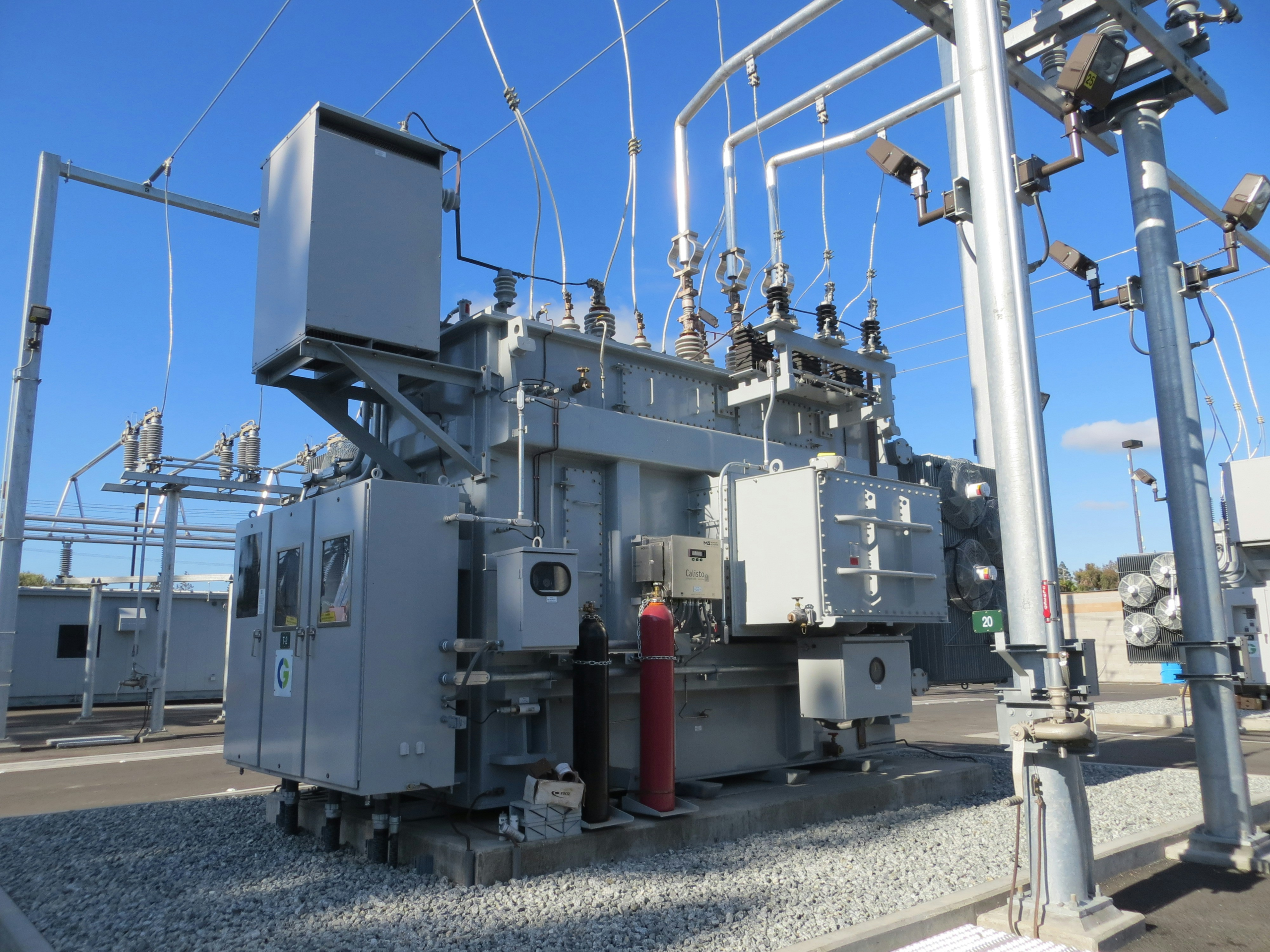
The power division addresses much heavier electrical engineering. KTL designs and works on overhead lines and underground cables from 11kV to 400kV, including new-build and refurbishment projects, while its substation capability covers design, civil works, equipment specification, electrical installation, maintenance, system studies, and commissioning up to 400kV.
Existing power customers include ESB Networks, SSE, Bord na Móna, and ABB. The breadth of that work puts KTL across distribution and transmission infrastructure as well as telecommunications, two sectors in which capital investment increasingly runs into the same constraints around engineering capacity, permitting, project management, outages, and skilled labour.
Electricity networks face growing connection requirements from renewable generation, battery storage, data centres, and electrified loads. Telecoms operators are simultaneously maintaining existing mobile infrastructure, extending fibre coverage, and upgrading capacity. Neither sector can expand solely by purchasing more equipment; networks still have to be designed, consented, built, commissioned, maintained, and repaired by engineering organisations able to work on live critical infrastructure.
KTL’s recruitment activity illustrates that requirement. Current vacancies include power project management, overhead-line construction quality assurance, training specialists, and operational roles in Ireland and the UK. Expanding an infrastructure contractor therefore means increasing technical supervision and training alongside field headcount rather than simply adding labour to individual sites.
Exponent already has several investments around adjacent infrastructure markets. Its portfolio includes H&MV Engineering, which provides high-voltage electrical services for data centres, battery energy storage, utilities, and renewable projects; OFS, which works on gas turbines and critical power assets; Ethos Engineering in data-centre design; and Optimas International in industrial fasteners and C-class components.
KTL extends that exposure into network engineering and field delivery. It also gives Exponent another business positioned where electricity and communications projects increasingly overlap, particularly around data centres, renewable developments, and large industrial sites that require both resilient power and high-capacity fibre connections.
The technical barriers to scaling are substantial. High-voltage work depends on qualified personnel, controlled procedures, outage management, safety systems, inspection, and commissioning. Telecoms projects have their own integration and service-continuity requirements, while both sectors operate under customer-specific standards that make rapid expansion difficult without experienced supervisors and project managers.
KTL has also developed digital tools for field operations, including web- and smartphone-based systems used to manage workflow on electricity-network assets. Such tools can improve reporting and coordination, but they do not remove the need for trained engineers capable of making decisions around physical infrastructure in the field.
The investment announcement does not specify an acquisition-led expansion plan, new geography, or numerical recruitment target. Exponent’s stated priorities are broader: support KTL’s capabilities, workforce capacity, and service offering as demand increases across Ireland and the UK.
That leaves execution centred on capacity rather than corporate restructuring. Power and communications networks have large investment pipelines, but contractors still have to convert those programmes into safely completed work. KTL’s 11kV-to-400kV electrical capability and established telecoms operation give it access to that demand; the new investment is intended to increase how much of it the business can actually deliver.