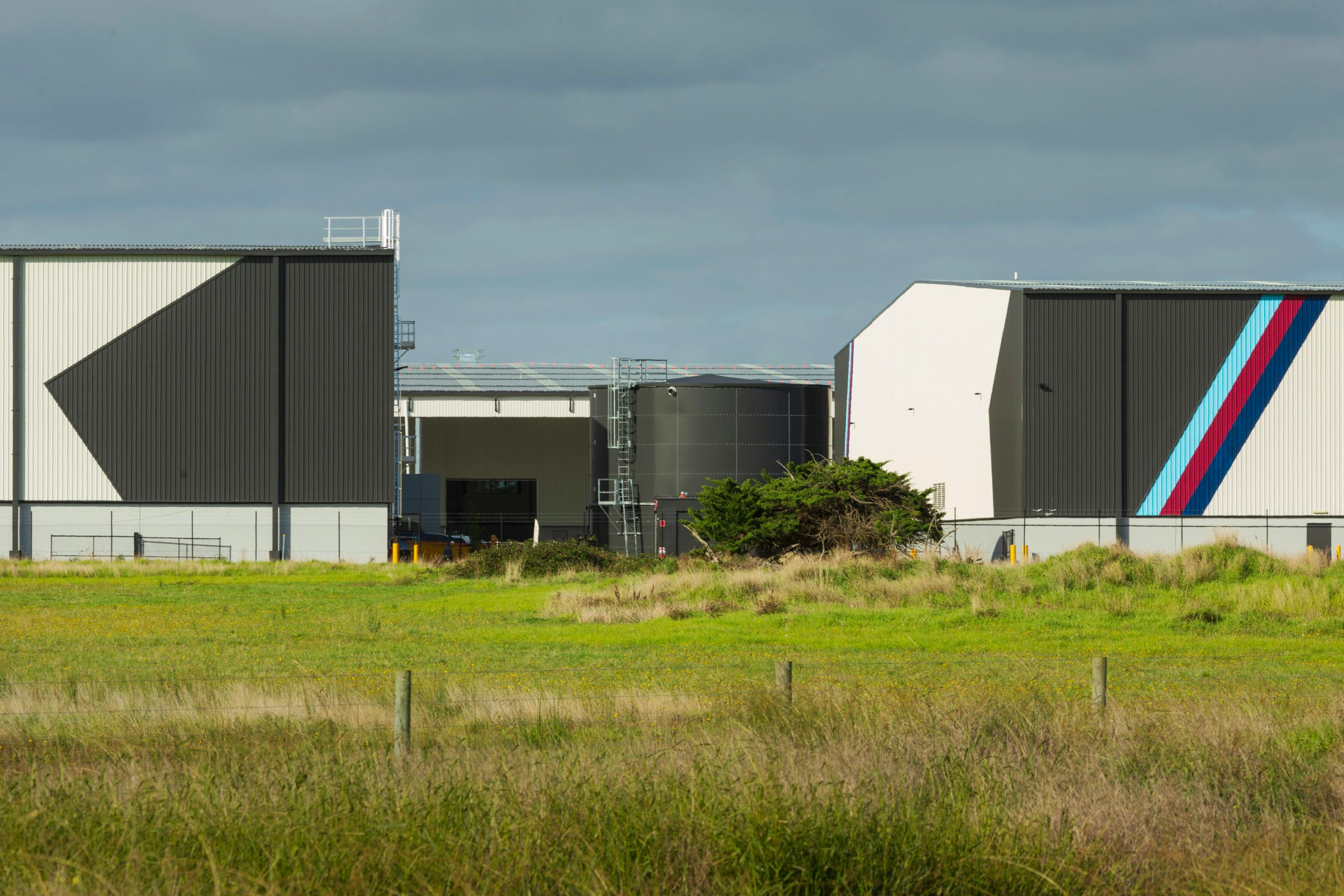
Construction has started on the £23.6 million first phase of the Industrial Solutions Hub Enterprise Campus at Leconfield Industrial Estate in Cleator Moor, moving a wider £50 million West Cumbria regeneration programme into physical delivery.
Morgan Sindall Construction has been appointed by Cumberland Council to build Unit 9 and Unit 12, two flexible industrial buildings intended for companies operating across manufacturing, robotics, engineering, and digital technologies. The new units are expected to become available from late 2027.
The Enterprise Campus is part of the Industrial Solutions Hub, or iSH, programme led by Cumberland Council with support from government Town Deal and Levelling Up funding. Strategic partners include the Nuclear Decommissioning Authority and Sellafield Ltd, placing the development alongside one of the UK’s largest concentrations of nuclear engineering and decommissioning expertise.
Ground works follow several earlier delivery milestones. Morgan Sindall’s appointment was announced in July, while planning approval has also been secured for a separate iSH Hub at the centre of the estate. The programme is intended to combine industrial property with business collaboration, technology development, skills, and supply-chain activity rather than create a conventional standalone business park.
The first two units have been designed to accommodate businesses of different sizes. They will provide double-height flexible workspace and can be configured for single occupiers or divided into smaller grow-on units, allowing companies to expand without necessarily moving away from the campus as their space requirements increase.
Construction specifications include steel frames, insulated cladding, loading and storage areas, photovoltaic generation, heat pumps, EV charging, and an EPC A rating. The units will have an eaves height of eight metres, giving them a more explicitly industrial specification than generic office-led regeneration space.
Those physical characteristics reflect the type of companies the wider programme is trying to attract. Robotics businesses need workshop, integration, and test space; advanced manufacturers need power, loading, equipment access, and production areas; engineering suppliers often need a mixture of offices and practical assembly or development facilities. Providing flexible industrial units alongside an innovation hub gives the scheme a clearer route from business support into actual production activity.
West Cumbria already has much of the technical base required to support such a cluster. Sellafield and its supply chain have created sustained demand for remote handling, robotics, inspection, systems engineering, digital modelling, specialised fabrication, and complex project management. Decommissioning work will continue for decades, but many technologies developed around nuclear operations can also be applied in energy, infrastructure, manufacturing, and other hazardous industrial environments.
iSH is attempting to turn more of that capability into businesses that can sell beyond a single customer or regional programme. The campus provides one part of the mechanism by giving growing companies access to industrial space close to engineering talent, established suppliers, and potential customers.
The model is commercially demanding. Industrial clusters cannot be manufactured simply by building new units and attaching an innovation label to them; tenants still need orders, skilled employees, investment, competitive products, and routes into markets outside the region. The strength of the existing nuclear supply chain provides an unusually substantial starting point, but diversification will depend on whether companies can translate specialist expertise into repeatable products and services.
Sellafield’s involvement also gives the project an immediate industrial anchor. Its chief executive has called for the organisation’s supply chain to engage with iSH, linking the development directly to companies already working on major nuclear engineering programmes rather than relying entirely on inward investment from businesses with no connection to Cumbria.
Construction activity itself will run into 2027, with Morgan Sindall responsible for delivering facilities designed for long-term flexibility rather than a predetermined occupier. That allows the estate to respond to a mixture of established businesses and smaller companies moving into larger premises as their production requirements develop.
The programme’s £50 million headline value is substantial for Cleator Moor, although the harder measure will come after construction. Unit 9 and Unit 12 can provide the floorspace, power, access, and environmental performance needed by industrial tenants; filling them with businesses capable of creating durable engineering work will determine whether the regeneration spending establishes a genuine manufacturing cluster.