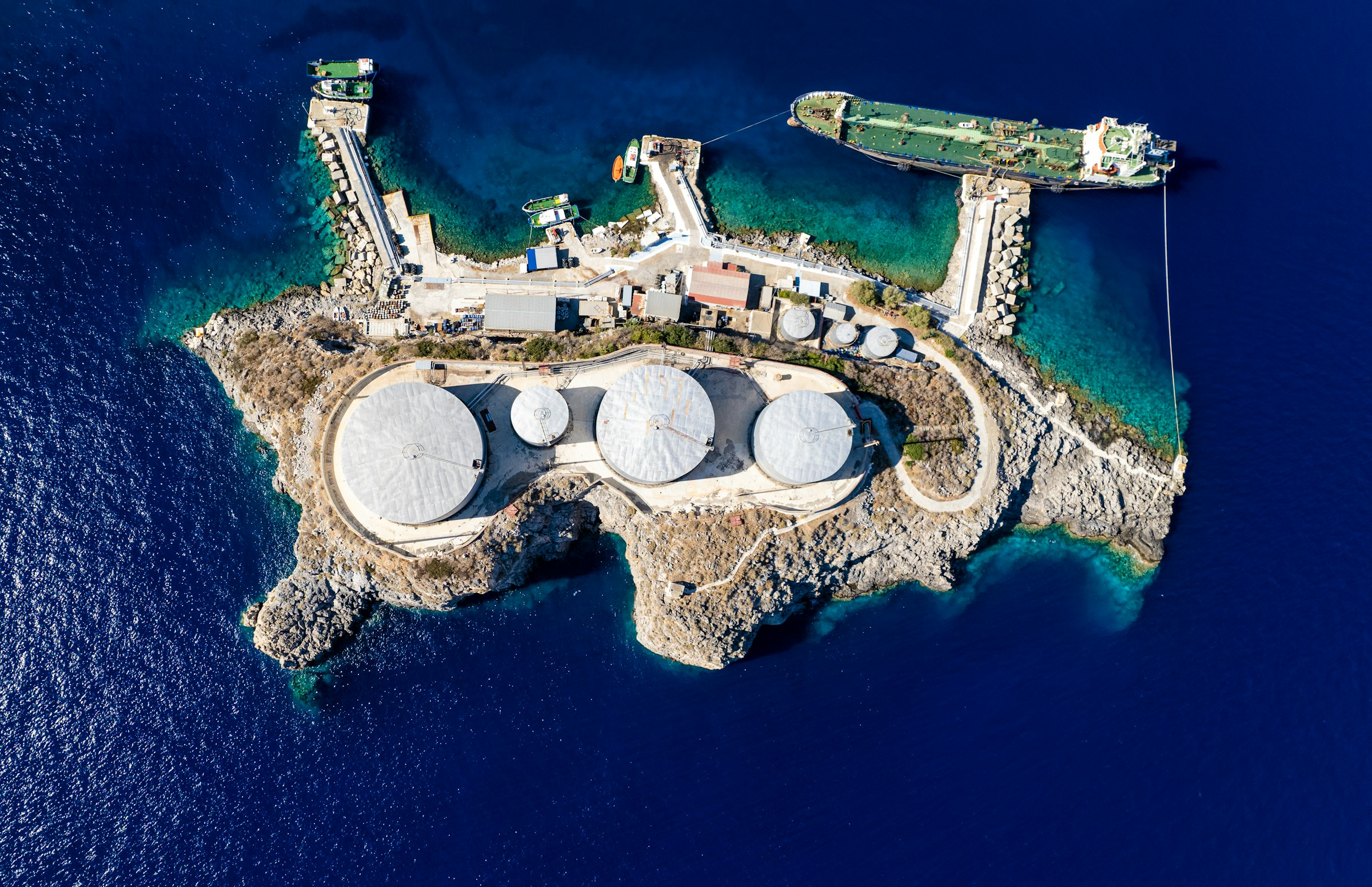
Shanghai Electric has supplied biomethanol for an 8,000-tonne bunkering operation at Shanghai’s Yangshan Port, linking fuel production in Jilin with storage, transport, and final delivery to a CMA CGM vessel.
The bunkering took place on 17 August in cooperation with Shanghai International Port Group and CMA CGM, with Shanghai Electric announcing the operation later that week. The company described it as the largest single biomethanol bunkering operation completed to date.
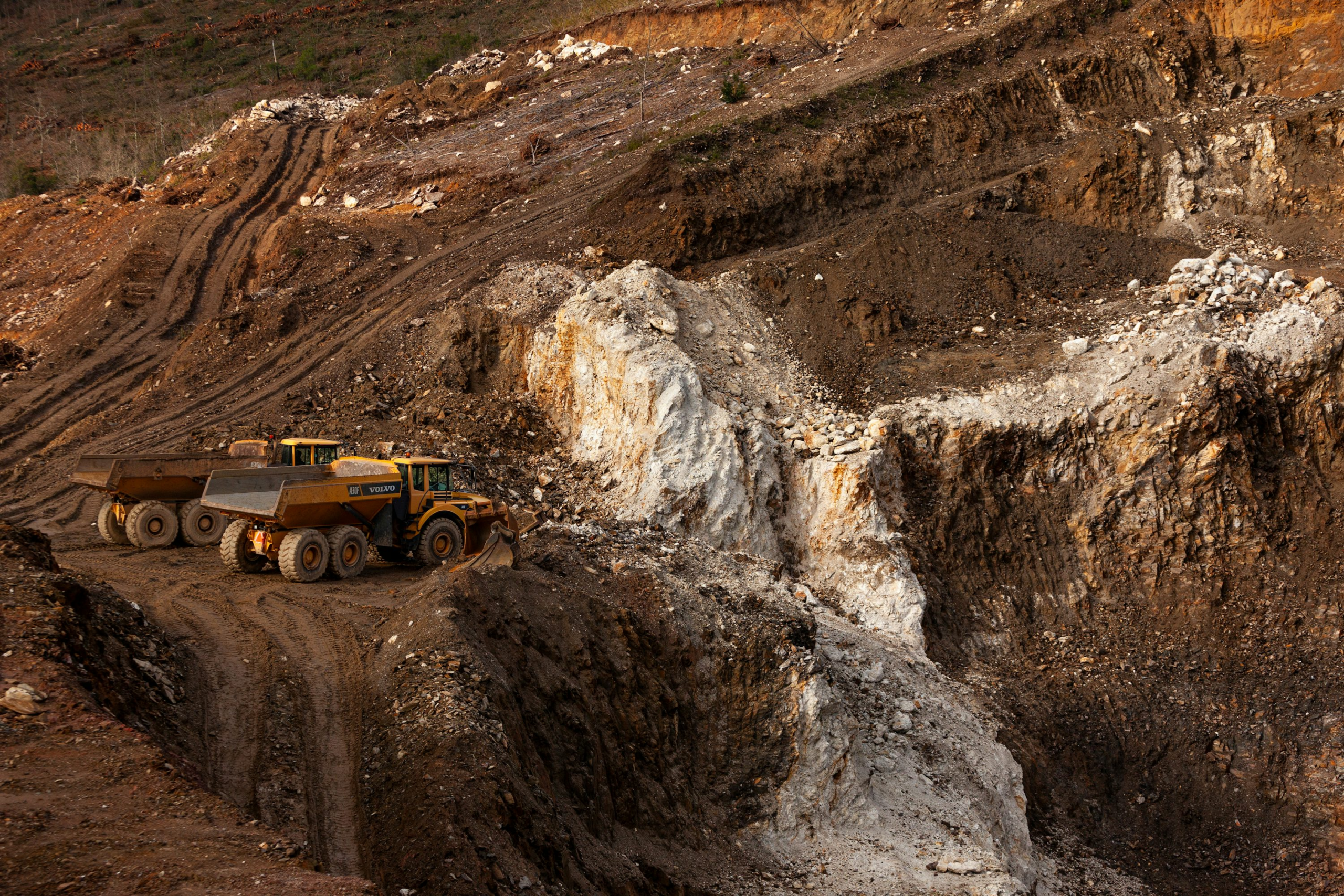
Fuel was supplied principally from Shanghai Electric’s Taonan green methanol project in Jilin province. The logistics route connects production in northeast China with transit and storage through Dalian before final bunkering in Shanghai, following the establishment of an interprovincial green-fuel corridor involving Shanghai, Jilin, and Liaoning.
The arrangement places production, inland logistics, port storage, quality management, and vessel delivery into one operating chain. Marine fuel cannot become a regular commercial input on production capacity alone; ships must be able to obtain the specified product at the right port, volume, and time without disrupting their schedules.
Taonan combines renewable electricity and biomass feedstock in the production of methanol. Shanghai Electric says the plant uses process systems and core equipment developed within the group and has progressed into stable production and larger-volume deliveries.
The initial project has been described as a 50,000-tonne-per-year green methanol operation, with longer-term plans for substantially greater capacity. Its equipment includes both alkaline and proton-exchange-membrane electrolysis as part of a wider system intended to integrate renewable electricity, hydrogen production, biomass, and methanol synthesis.
Methanol has attracted interest from shipowners partly because it remains liquid under ambient conditions. Storage and handling still require dedicated safety procedures and compatible equipment, but the physical requirements differ from cryogenic fuels that need much lower temperatures and more specialised tanks.
Its carbon performance depends on how it is produced. Conventional methanol can be manufactured from fossil feedstocks, so using the same molecule in a marine engine does not automatically create a lower-carbon fuel. Biomass, renewable hydrogen, captured carbon, and the energy consumed across production and transport all influence lifecycle emissions.
The Taonan project addresses that problem by integrating renewable electricity with biomass-derived inputs. The resulting industrial system extends well beyond the synthesis equipment: electrolysers, storage vessels, pumps, pipework, loading equipment, road or rail logistics, terminals, laboratories, and marine-transfer systems all have to function as parts of the same supply chain.
The 8,000-tonne shipment begins to test that chain at a scale beyond a demonstration transfer. A trial involving a limited quantity can establish that a vessel and port can handle a fuel, but regular commercial operation requires repeatable delivery in thousands of tonnes while maintaining product specification and vessel turnaround.
Dalian’s role as a transit and storage location is therefore material to the project. Renewable resources, biomass availability, methanol production, large ports, and international shipping routes are not necessarily located in the same region, making intermediate storage and transport part of the economics rather than an ancillary service.
Port infrastructure also has to accommodate a growing range of fuel types. Conventional bunker fuel, LNG, methanol, ammonia, and other proposed alternatives impose different requirements for storage, transfer, safety zones, emergency procedures, training, and certification. Supporting several pathways simultaneously can increase capital demands at terminals even before one fuel becomes dominant.
CMA CGM has been among the shipping groups ordering vessels capable of using methanol, creating a demand signal for port and fuel infrastructure. A dual-fuel vessel, however, only gains practical flexibility where compatible fuel is available along its trading routes in commercially useful quantities.
Shanghai Electric is developing a second phase at Taonan that is intended to expand green methanol production and add sustainable aviation fuel capability. That plan would broaden the site from a marine-fuel project towards a larger renewable-fuels complex, although future capacity remains subject to execution and should be distinguished from output already operating today.
The August bunkering operation demonstrates that fuel from the existing project can be moved through a multi-region logistics system and delivered at one of China’s principal shipping hubs. It does not establish that the corridor has reached the frequency, cost, or scale of conventional marine-fuel networks.
Repetition will provide the more useful industrial test. If large deliveries become routine, production assets, storage terminals, transport capacity, and ship schedules can begin to operate around predictable volumes. One record bunkering exercise is notable; a supply chain that stops being noteworthy because it works every week would be considerably more valuable.