Baker Hughes has won a substantial subsea systems contract for the Kutei Northern Hub development offshore Indonesia, covering 17 deepwater horizontal tree systems together with manifolds, connections, control and distribution equipment, and digital condition-monitoring technology for the Geng North and Gehem fields.
The contract was awarded to Baker Hughes by Searah North Ganal Limited, a subsidiary of Searah Limited, the joint venture between Eni and PETRONAS. Baker Hughes says the package will support natural-gas production intended to strengthen Indonesia’s LNG capacity and domestic energy supply.
Baker Hughes will manufacture the subsea trees at its Global Manufacturing Center for Subsea Trees in Batam, while its Balikpapan facility will provide additional operational and service support. That local production element gives the award a significant industrial dimension, placing fabrication and long-term support closer to the project rather than treating Indonesia only as the destination for imported equipment.
A subsea production tree sits at the wellhead and controls the flow of fluids from a completed well. In deep water, the equipment has to operate under high external pressure and remain dependable in an environment where inspection and intervention are expensive. Reliability therefore has to be established through material selection, machining, assembly, testing and documentation before the system reaches the seabed.
The horizontal tree systems are only one part of the package. Baker Hughes will also supply associated manifolds and connections, along with subsea control and distribution systems. Those components connect individual wells into the wider production architecture and provide the hydraulic, electrical and communications functions needed to operate equipment from the surface.
Integration is consequently as important as the specification of any individual item. Trees, manifolds, controls and connection systems have to match the field layout, interface correctly with other project equipment and remain consistent across a 17-tree hardware programme. Configuration errors that are manageable in a factory become considerably more expensive after equipment has been installed offshore.
Baker Hughes will also deploy its Cordant asset protection and condition-monitoring systems across critical equipment. The company says the digital layer is intended to identify and mitigate risks and reduce unplanned downtime. For subsea production, monitoring is valuable because operators have limited direct access to equipment once it is installed and because a developing fault can affect more than the component in which it originates.
The commercial effect of downtime can spread through an integrated gas project. If a well or subsea system becomes unavailable, production feeding the surface facility falls, while intervention can require specialist vessels, tooling and suitable offshore conditions. Condition data does not remove those maintenance requirements, but it can give operators more information with which to decide when equipment needs attention.
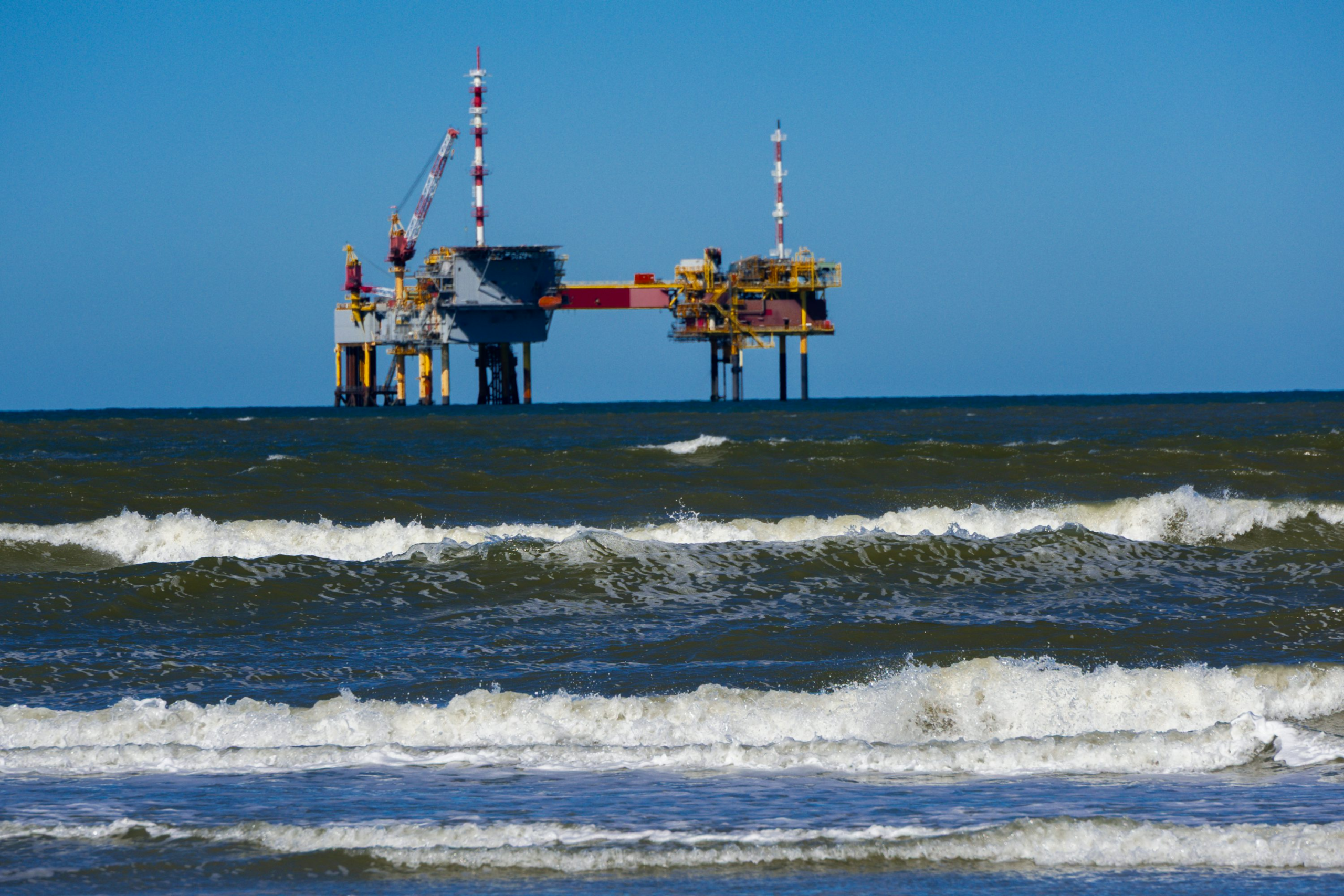
The Kutei Northern Hub combines development of the recently discovered Geng North field with the Gehem field. Baker Hughes’ subsea award follows a 2025 order for flash gas compressors for the project’s new floating production, storage and offloading vessel. The company says that vessel is designed to process more than one billion standard cubic feet of gas per day and 90,000 barrels per day of condensate, with 1.4 million barrels of storage capacity.
Those figures underline the scale of the infrastructure that the subsea equipment will feed. Wellhead systems and manifolds have to deliver production consistently enough for the processing plant above them to operate as intended, while the surface and subsea control systems have to function as parts of one production chain.
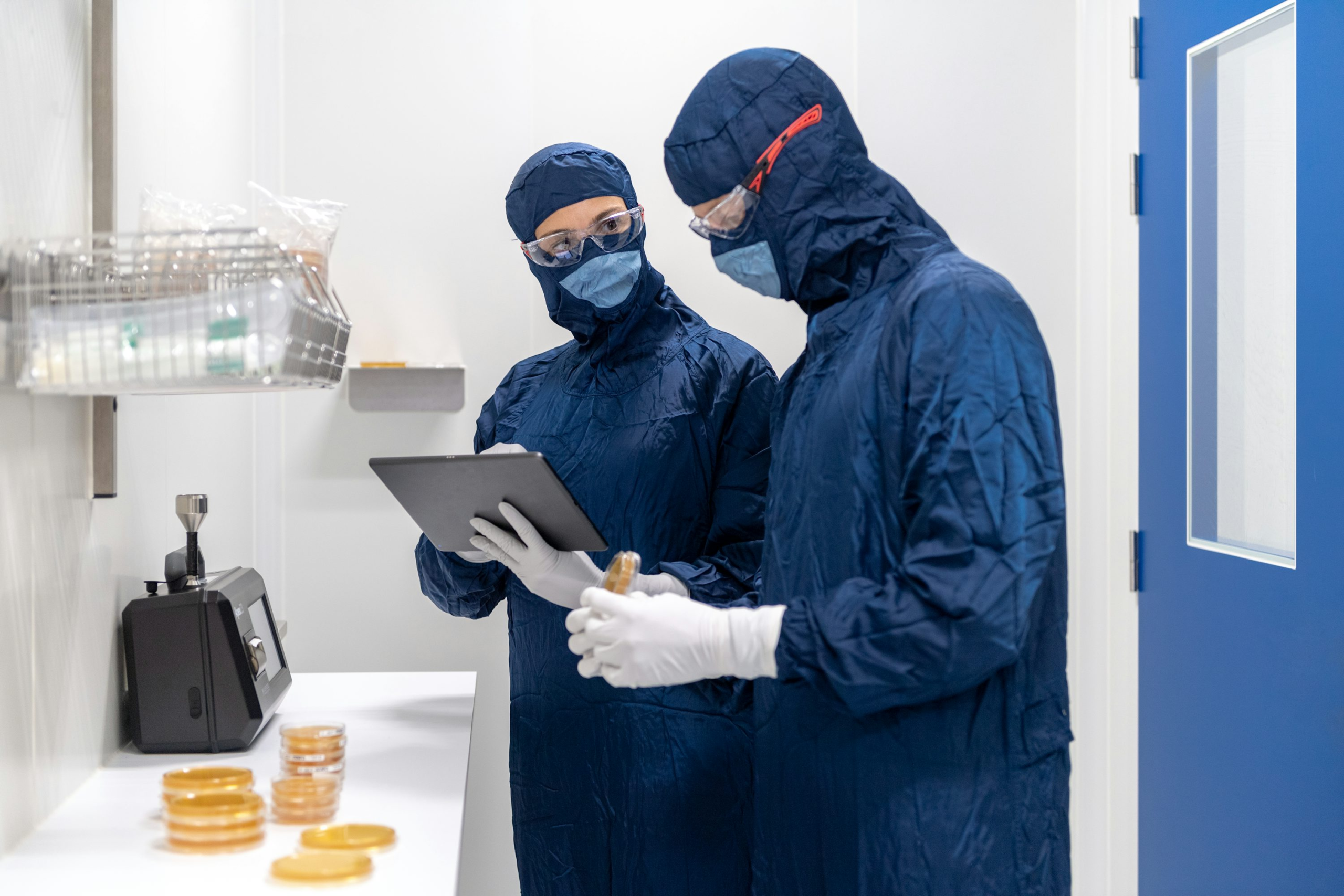
Manufacturing 17 tree systems also creates a substantial production programme in Batam. Each unit has to move through fabrication, machining, assembly, pressure testing and final documentation, with project-specific requirements controlled across the series. Repetition creates opportunities for manufacturing efficiency, but it also means a process weakness can be reproduced many times if it is not identified early.
Local manufacture does not reduce the technical requirements. Materials, sealing systems, machined interfaces, pressure boundaries and control components have to meet the project specification regardless of where the equipment is built. Offshore hardware may remain in service for years with limited physical access, making traceability and acceptance testing central to the manufacturing process.
The Balikpapan support role extends the industrial relationship beyond delivery. Subsea equipment suppliers increasingly remain involved through installation, monitoring, maintenance planning and field life, because the value of the hardware depends on how reliably it performs after commissioning. A manufacturing contract therefore becomes the first stage of a much longer equipment lifecycle.
Baker Hughes now has responsibilities on both sides of the Kutei Northern Hub production chain, from subsea systems through to compression on the FPSO. That breadth can simplify interfaces for the project, but it also raises the execution burden on the supplier because manufacturing schedules, digital systems and service support have to align with the wider development programme.
The Batam factory will be the starting point for that work. Seventeen trees, the associated manifolds and controls, and the Cordant monitoring package have to be delivered as an integrated system before the project can test their performance offshore. For deepwater equipment, a successful factory programme is measured less by how impressive the hardware looks before shipment than by how rarely anyone needs to retrieve it afterwards.