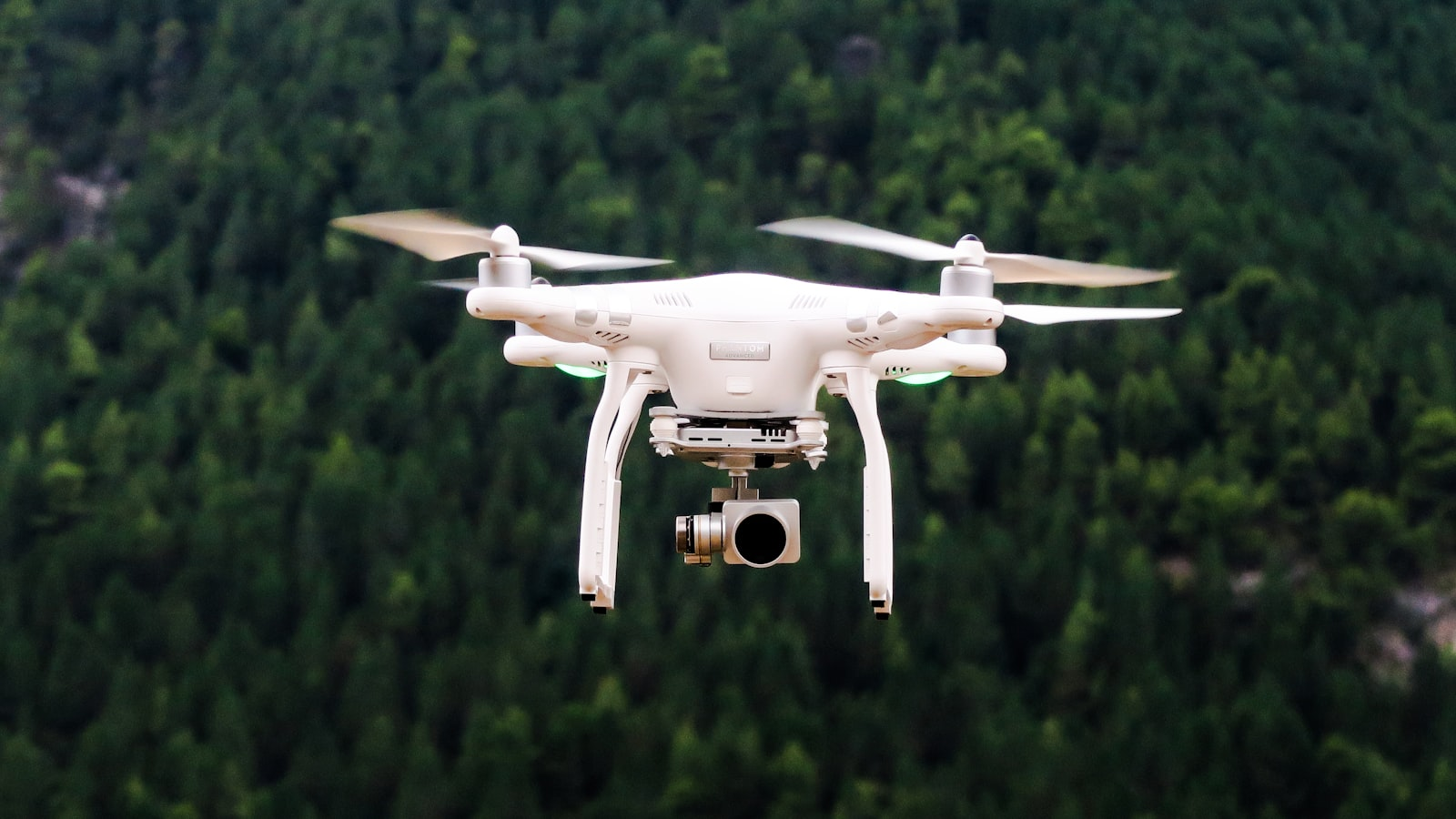
The Ministry of Defence has placed drones, autonomy, and uncrewed systems at the centre of the UK’s latest Defence Investment Plan, creating a direct test of domestic production capacity.
The plan is backed by almost £300bn of defence investment over four years and includes a major allocation for drone warfare, strike systems, surveillance assets, and autonomous capabilities. The scale of the commitment turns attention to the industrial base needed to convert defence priorities into factories, supply chains, test capacity, software integration, repair loops, and rapid delivery cycles.
That pressure is sharpened by the UK’s commitment to supply 120,000 drones to Ukraine in 2026. Operational demand in Ukraine has demonstrated the value of mass, fast iteration, repairability, and close feedback between frontline users and manufacturers. Drone systems can move through design cycles faster than traditional platforms, but they still depend on reliable electronics, propulsion, sensors, materials, batteries, communications, software, payload integration, and test infrastructure.
The opportunity extends well beyond airframe assembly. A drone production system draws on PCB assembly, composite parts, precision machining, additive manufacturing, secure radios, optical systems, navigation, edge computing, AI software, batteries, launch systems, ground control, training, and logistics. Counter-drone equipment adds radar, RF detection, jamming, directed energy, electro-optics, command systems, and interceptor manufacturing.
Modern defence procurement is moving closer to the operating logic of advanced manufacturing. Capability now depends on how quickly designs can be changed, how securely software can be updated, how well components can be sourced, and how reliably systems can be produced at scale. A product that is technically impressive but difficult to manufacture, repair, or upgrade will not deliver the depth required in a sustained conflict environment.
The UK is already building parts of that ecosystem. Work at the Swindon drone centre has shown how uncrewed systems require test and scale infrastructure before prototypes can become credible production programmes. Controlled trial environments allow developers to validate autonomy, communications, payloads, safety behaviour, and operating procedures before equipment is exposed to more demanding deployment conditions.
Procurement processes will also need to adapt to shorter design cycles. Traditional defence platforms are often built around long requirement-setting and acquisition phases, while drone systems can be altered rapidly in response to electronic warfare, battlefield feedback, component availability, or tactical change. Faster procurement cannot come at the expense of configuration control, cybersecurity, quality assurance, or traceability, but slow procurement can make the equipment obsolete before it reaches users.
Ukraine has accelerated that lesson. Drones used in high-intensity conflict are exposed to rapid countermeasure development, attrition, harsh handling, and changing tactics. The production model has to absorb those pressures. A design, tooling setup, supplier base, and software architecture that cannot change without restarting the programme will struggle to support operational reality.
Skills will become a constraint unless the manufacturing base grows with the programme. Drone production needs technicians and engineers who can work across electronics, mechanical design, software, control systems, RF, testing, and systems integration. The UK has strong capabilities across aerospace, defence electronics, motorsport, robotics, and advanced manufacturing, although they are spread across different sectors and regions.
The wider European security environment adds further pressure. NATO members are reassessing stockpiles, production surge capacity, replenishment rates, and industrial readiness. Drone systems offer mass and flexibility at lower unit cost than many conventional platforms, but that advantage depends on assured access to parts, skilled labour, batteries, electronics, and test facilities.
Funding provides a signal, but production capacity is built through firm orders, qualified suppliers, standardised processes, and stable demand. UK industry has spent years being told that autonomy will become central to defence capability. The latest investment plan changes the question. The measure now is whether autonomous systems can be built, improved, and supplied at the volume modern warfare demands.