Trelleborg Sealing Solutions has inaugurated an advanced European Service Center in Gärtringen, Germany, combining automated logistics, value-added services, and materials innovation for European and global markets.
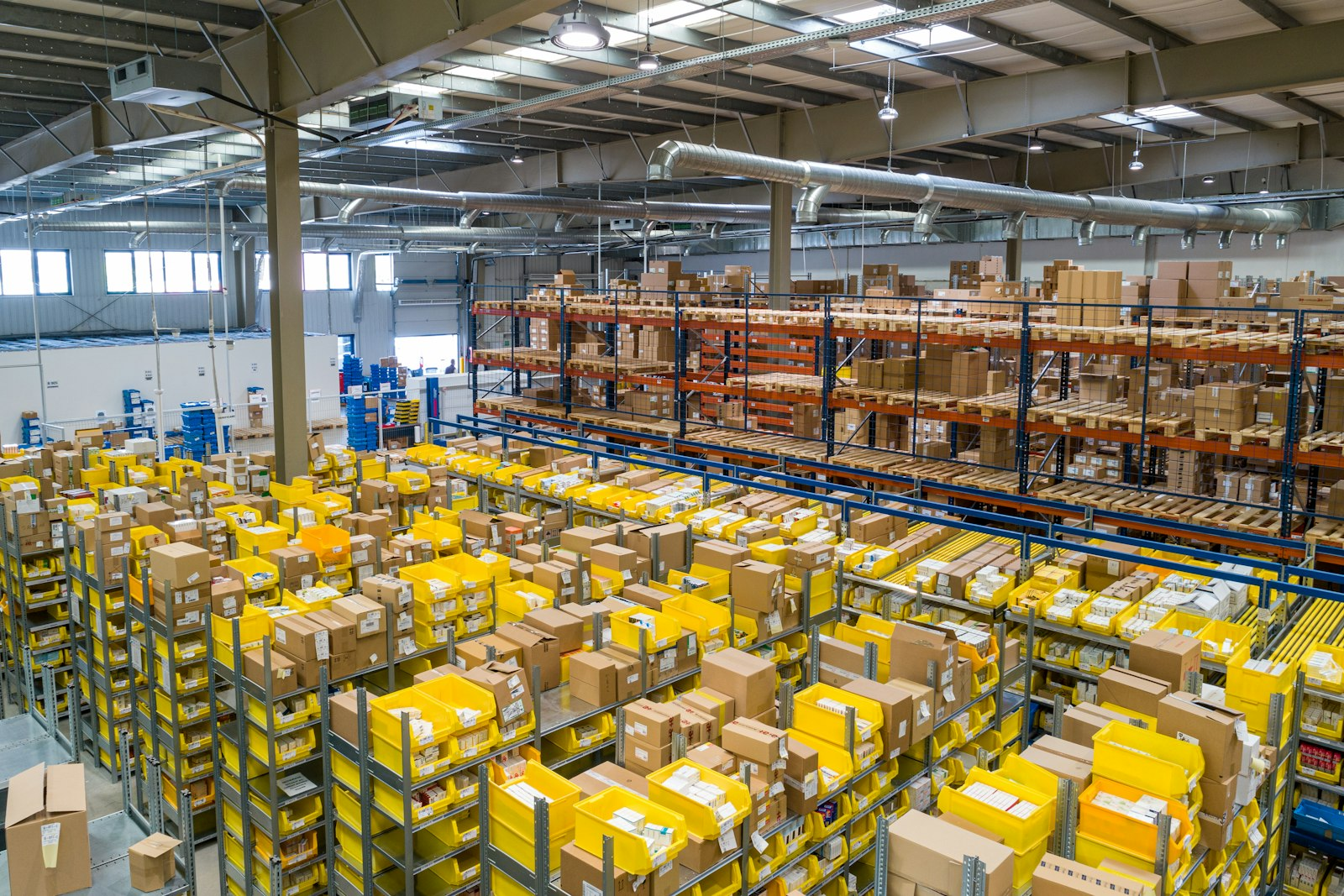
The 16,000 sq m facility in Baden-Württemberg uses highly automated systems from goods receipt through to shipping. It provides space for 60,000 containers, with 32 robots moving goods to 26 ports. A pallet warehouse and a driverless transport system using ten automated forklifts complement the automated storage and movement systems.
The site also expands Trelleborg’s value-added service capability, including kitting, packaging solutions, cutting, clean-room handling, component assembly, and coating processes. The complex houses an in-house Material Innovation Center for polymer formulation development and a recycling development area focused on sustainable material solutions.
The centre reflects a shift in how industrial suppliers are using logistics infrastructure. Distribution is no longer treated only as the final step after product manufacture; it is increasingly being combined with stock availability, automation, engineering services, and materials development. Customers gain faster fulfilment and more specialised support around sealing applications.
Sealing products sit close to reliability in many industrial systems. They are used across fluid power, process equipment, automotive systems, aerospace, medical devices, energy assets, and general machinery. A seal may be low in cost compared with the equipment it protects, but failure can lead to leakage, contamination, downtime, safety risks, or warranty exposure.
Logistics performance is therefore part of product reliability. Customers need the correct material, geometry, batch, documentation, and packaging at the right point in their production or maintenance schedule. Stock errors, late deliveries, or unsuitable substitutions can create assembly delays and field reliability issues. Automation can improve speed and accuracy when it is integrated with robust product data and quality processes.
The new centre fits into a broader supply chain trend where warehouse automation is becoming part of industrial resilience. A recent UK AutoStore contract gave StrongPoint another foothold in automated fulfilment infrastructure, showing how dense storage and efficient order processing are moving deeper into operational planning. Trelleborg’s facility applies similar principles to engineered components rather than consumer fulfilment.
The value-added service scope is particularly important for industrial customers. Kitting and packaging can reduce work at the customer’s site, while clean-room handling and component assembly support sectors where contamination, documentation, and handling discipline are critical. Coating processes and cutting add further customisation close to the point of supply.
By colocating logistics with materials innovation, Trelleborg is shortening the distance between application development and delivery. Polymer sealing performance depends on formulation, geometry, environment, pressure, temperature, media compatibility, friction, wear, and installation behaviour. An innovation centre within the service complex allows development work to sit closer to customer requirements and operational feedback.
The recycling development area reflects a growing pressure on engineered materials suppliers. Industrial customers are increasingly asking how components fit into sustainability targets, but seals and polymer components often face demanding performance requirements that limit simple material substitution. Developing recoverable or lower-impact formulations while preserving durability is a materials engineering challenge.
The German location gives the facility proximity to one of Europe’s strongest manufacturing regions. Baden-Württemberg and the wider southern German industrial base include automotive, machinery, automation, medical technology, and precision engineering customers. Locating automated service capacity close to that market supports shorter lead times and stronger technical engagement.
The centre’s performance will depend on how well automation, inventory accuracy, value-added processes, and engineering support are integrated. A highly automated warehouse can still underperform if product data, demand planning, or customer workflows are weak. The significance of the Trelleborg site is that it treats those functions as connected parts of an industrial service model.
Manufacturers are increasingly judging suppliers by more than product range and price. Components, logistics, materials science, and automation are becoming connected disciplines, particularly in critical industrial applications. A supplier that can combine them may offer more value than one that simply ships parts quickly.