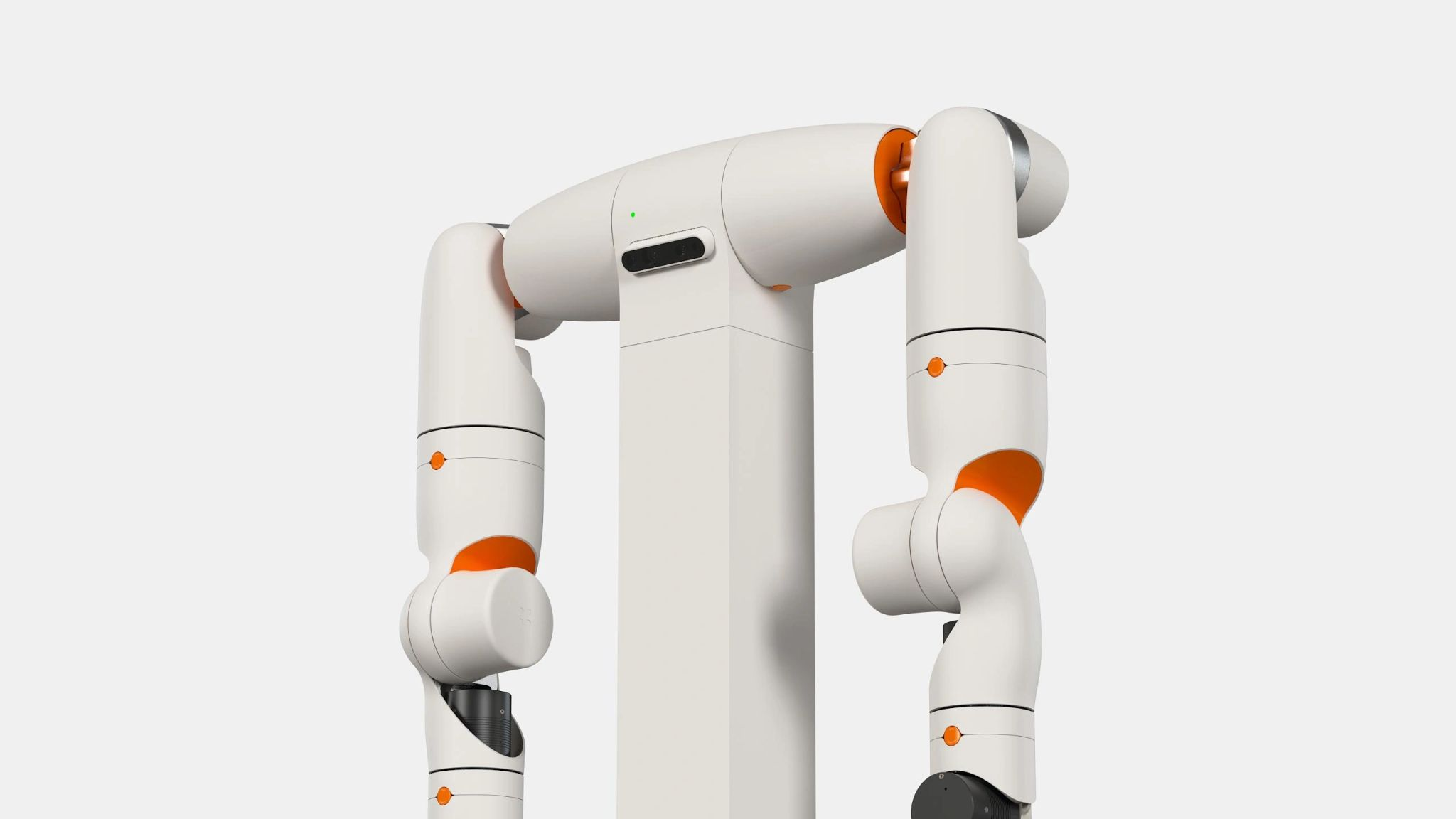
The resection of tumours located in the caudate lobe of the liver is notoriously challenging due to its intricate anatomical positioning and complex vascular relationships. Researchers at Boston University’s Chobanian & Avedisian School of Medicine have now demonstrated that robotic surgery can facilitate the safe removal of this difficult-to-access liver region, even in older patients, while ensuring complete cancer excision.
Published in the Annals of Surgical Oncology, the study outlines a clinical case where two innovative guidance techniques were employed. The first involved a hanging and traction method using the Arantius ligament. The second utilised Indocyanine green (ICG) negative staining to delineate the caudate lobe boundaries, guiding a precision-focused cancer operation in this challenging area.
Dr. Eduardo Vega, the study’s corresponding author and assistant professor of surgery, stated, “The caudate lobe is one of the most technically demanding areas of the liver — it’s deep and surrounded by critical vessels. Robotic surgery can help us remove select tumours through smaller incisions, with less pain and blood loss, and quicker recovery, while still aiming for cure.”
The researchers detailed their approach in treating a 79-year-old patient with rectal cancer and liver metastasis in the caudate region. Initial steps involved intraoperative ultrasound to locate the tumour and map key blood vessels. The surgical robot then facilitated a hanging manoeuvre using the Arantius ligament to create a safe working space near major vessels.
By temporarily occluding the small portal branch supplying the caudate lobe and injecting 2.5 mg of ICG dye, the team achieved clear visualisation of the tumour’s borders under near-infrared imaging, allowing for precise excision while safeguarding critical structures.
Following the successful liver procedure, the primary tumour — superior rectal cancer — was also resected robotically. This comprehensive robotic approach allowed for complete cancer resection with minimal invasiveness, enabling the patient to undergo subsequent treatment without complications.
Dr. Vega, also a hepato-bilio-pancreatic surgeon at Boston Medical Center, added, “Our goal is to make complex liver tumour surgery safer and less invasive, so more patients can recover faster and still receive a curative operation. By combining robotic precision with ultrasound and fluorescence guidance, we hope to expand access to high-quality cancer surgery — even for tumours in the hardest-to-reach areas of the liver.”
For further details, refer to the Boston University School of Medicine and the study’s publication in the Annals of Surgical Oncology with DOI: 10.1245/s10434-026-19261-5.