
Westfalia Fruit introduces sustainable dye extraction from avocado byproducts.
Westfalia Fruit is now using avocado skins and seeds as part of a valorisation process with Efficiency Technologies.
The global leader in the avocado industry, who is committed to utilising all parts of the avocado across the supply chain, said the valorisation of the entire byproduct channel of avocado skins and stones is assessed to optimise use, with the most recent development being technology extracting a natural, sustainable dye from avocado stones, with SAGES London.
This marks a significant advancement in total crop utilisation; the process extracts perseorangin (a rare and sought-after natural pigment) from avocado stones collected at Westfalia’s UK facility.
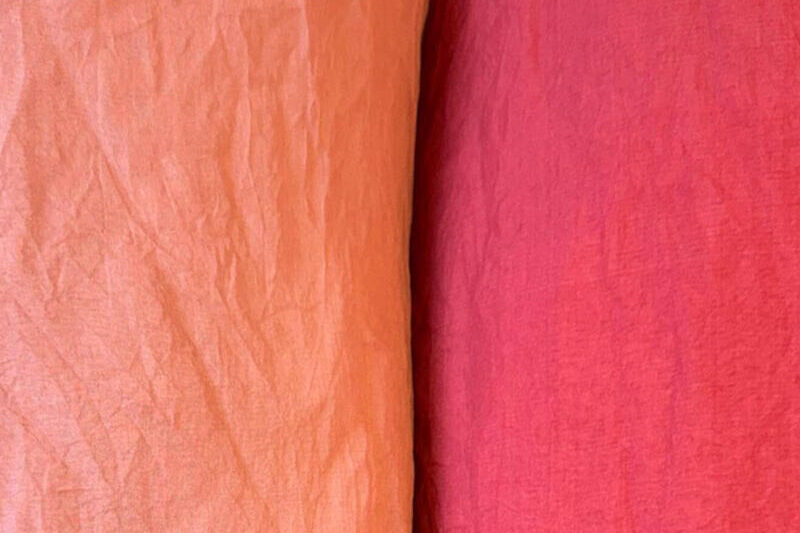
The pigment offers eight distinct shades ranging from light yellow to rich reddish-brown, creating new opportunities for sustainable colouring solutions across multiple industries. The specialised extraction method isolates perseorangin, which constitutes approximately 3% of the avocado stone, and processes it into a dried powder form, offering extended shelf life.
“This breakthrough represents a significant step in our journey toward our total crop use strategy,” says Andrew Mitchell, head of group innovation at Westfalia Fruit. “By transforming what was once considered byproduct into a valuable resource, we’re creating sustainable solutions that benefit multiple industries. The ability to produce eight distinct natural shades while maintaining our commitment to use the entire fruit demonstrates the potential of innovative thinking in sustainable agriculture.”
Besides the dye extraction, remaining materials from the avocado skins and stones are also processed into additional valuable products – for example, starches are directed to paper manufacture as a precursor to packaging production.
The natural dye extraction process represents a significant advancement in sustainable practices, particularly as industries increasingly seek alternatives to synthetic dyes.
The powder format ensures stability and ease of use across various applications, while the range of the eight distinct natural shades offers versatility for different product requirements.
The commercial potential and versatility of the natural dye have already been demonstrated through several high-profile applications.
The pigment’s successful showcase at London Fashion Week highlighted its viability in sustainable fashion, while ongoing collaborations with industry leaders in cosmetics and packaging demonstrate its cross-sector appeal.
Away from the UK, the process shows scalability as plans are underway to understand how the technology could be expanded to additional Westfalia facilities in Europe, where more avocado byproduct can be processed using the same techniques.