Worley has been awarded a two-year field construction contract by K+S Potash Canada GP for the Compaction and Power Distribution project at the Bethune mine in Saskatchewan. The work covers a new compaction building and the associated electrical infrastructure, as the mine operator develops processing capacity under its longer-term Ramp-Up Program. Worley will deliver structural, piping, architectural and mechanical equipment installation alongside electrical, instrumentation and control systems, bringing several engineering disciplines into a single construction package.
The award follows K+S’s selection of Worley and Graham Construction as preferred construction partners in April 2026. The November agreement gives Worley a defined two-year field construction scope for compaction and power distribution infrastructure, rather than merely a preferred-bidder position. K+S intends to increase Bethune’s production towards approximately four million tonnes of potash annually by around 2040. That long-term target depends on a series of mining, processing and logistics projects, of which the newly contracted works are one substantial part.
Bethune is a solution mine near Moose Jaw. Rather than relying exclusively on conventional underground excavation, the operation dissolves soluble minerals below ground and brings the resulting solution to the surface for processing. Potash is then recovered and prepared for end markets, particularly fertiliser production. The processing plant, its energy systems, materials handling equipment and logistics infrastructure must be expanded together if higher mine output is to translate into saleable product. A constraint at any one of those stages can limit the benefit from additional extraction capacity.
Compaction turns fine potash into larger granules that can be handled, transported and applied more consistently. The material passes through equipment that applies pressure to form a compacted product, followed by sizing and movement through the handling system. Equipment supports, structural works, material transfer paths and power distribution must be coordinated so that the new processing stage can be integrated with the existing plant. Neither K+S nor Worley has specified the throughput or suppliers of individual machines under the latest construction award.
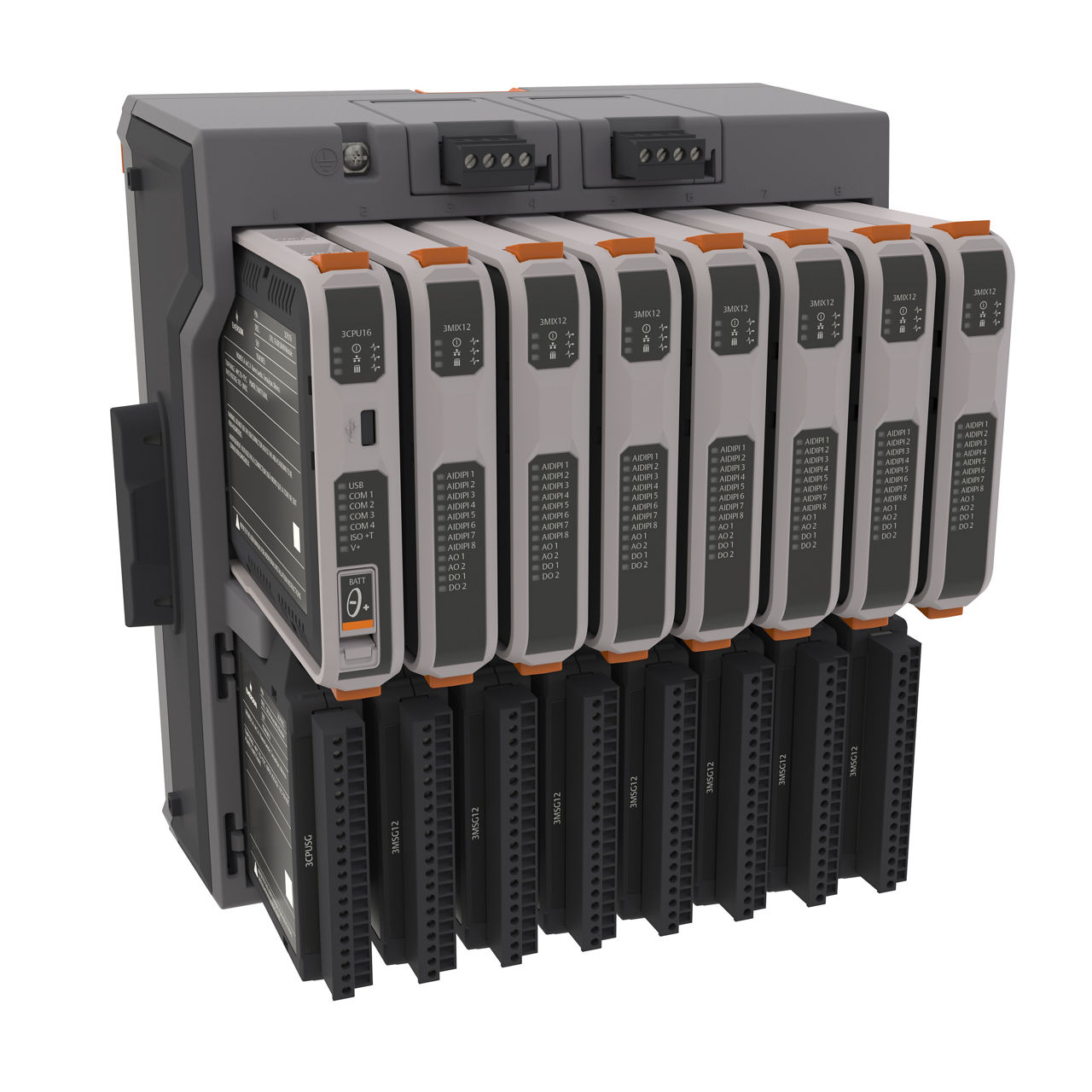
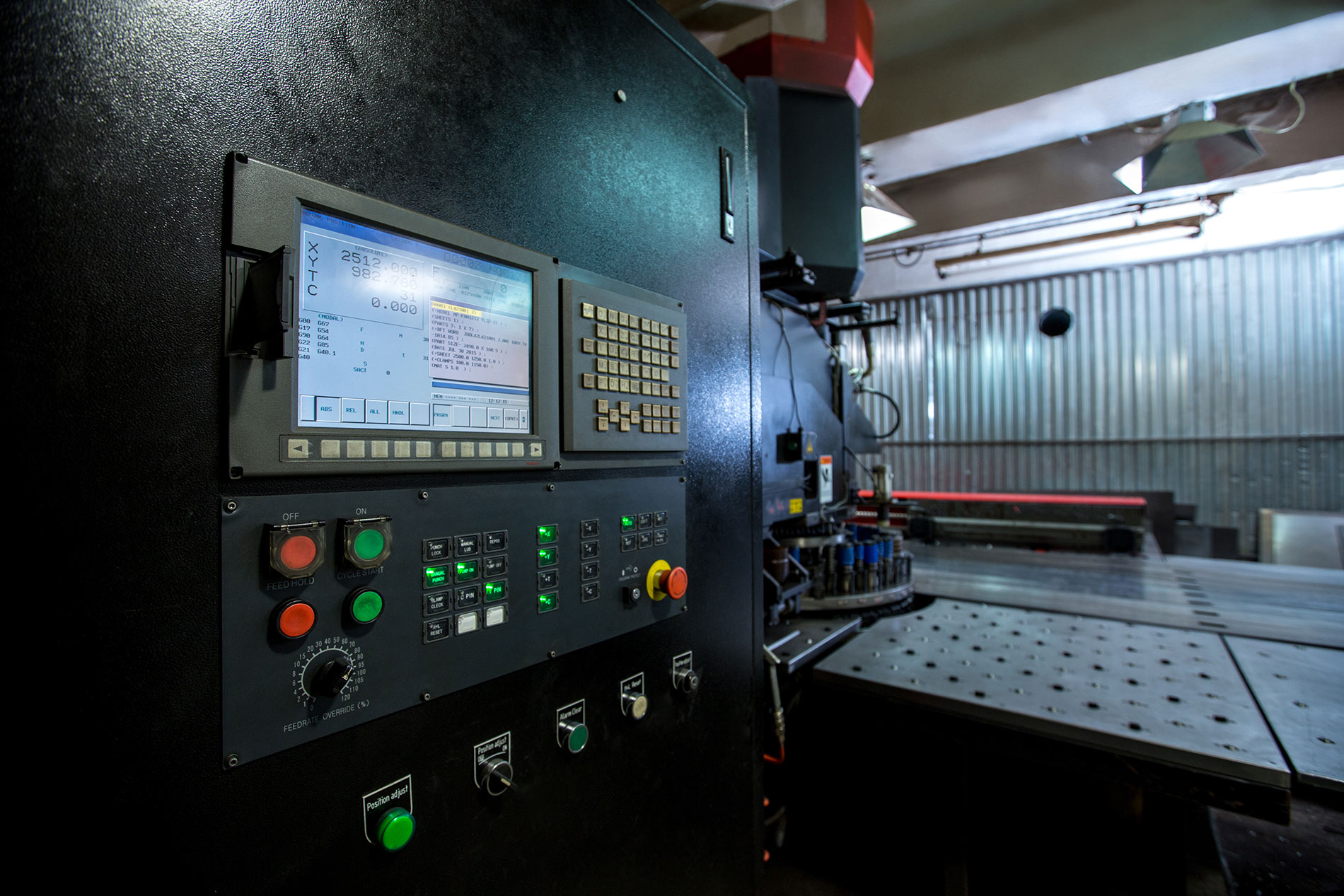
The power distribution element has a similarly direct relationship with plant output. Industrial processing and handling equipment depends on reliable supply to drives, motors, control systems and plant services. Electrical installation, instrumentation and control work must be designed around plant layouts and mechanical interfaces as well as the mine’s existing supply arrangements. The package spans more than a simple electrical connection, but the award does not specify transformer capacities, voltage levels or the amount of additional demand that will be connected.
Worley will carry out the work with George Gordon Developments Ltd, an arrangement the contractor links to longer-term economic opportunities for First Nation communities. The disclosed work is principally field construction and installation. Engineering design, major equipment procurement and other interfaces within the wider Ramp-Up Program may be covered by separate packages, so the latest award should not be treated as responsibility for the whole expansion. K+S’s earlier procurement process and its selection of preferred partners provide the context for the two-year contract now awarded.
K+S began ground works on early Ramp-Up projects before construction activity increased during spring 2026. Its programme spans mining, mineral processing, storage and logistics, with further works continuing through 2030 and beyond. The compaction building and its electrical systems will need to fit within that sequence, allowing the operator to connect additional processing capacity with the extraction and material handling systems that feed it. Bringing one package into service without matching the capacities of those adjacent stages would limit the increase in saleable output.
Saskatchewan’s potash industry relies on substantial processing assets and freight networks to connect production to agricultural markets overseas. Bethune was opened in 2017 and was the province’s first greenfield potash mine in more than four decades. K+S’s stated growth plan is intended to increase production over successive investment phases, while reducing resource use intensity where feasible. Those broader ambitions provide context for the construction contract, but Worley has not claimed a quantified productivity or environmental gain from this particular award.
A separate energy project at Bethune adds another utility interface to the broader site expansion. Under a February 2026 agreement, SaskPower will buy up to 62MW of electricity generated by an expanded combined heat and power facility, which will use gas turbines and heat recovery steam generators to provide electricity and process heat. That scheme is distinct from the power distribution facilities in Worley’s newly awarded compaction package. Both will require coordination with operating mine systems, but the disclosed contract does not merge their construction scopes.
Worley has not disclosed the contract value or a detailed construction timetable beyond the two-year term. Installation work will have to be coordinated with live mine operations and other Ramp-Up Program projects, followed by equipment integration and commissioning. Completion of the compaction and electrical facilities should provide a defined addition to Bethune’s processing infrastructure, while K+S’s longer production objective will also require continued investment in extraction, storage and transport capacity through the years ahead.