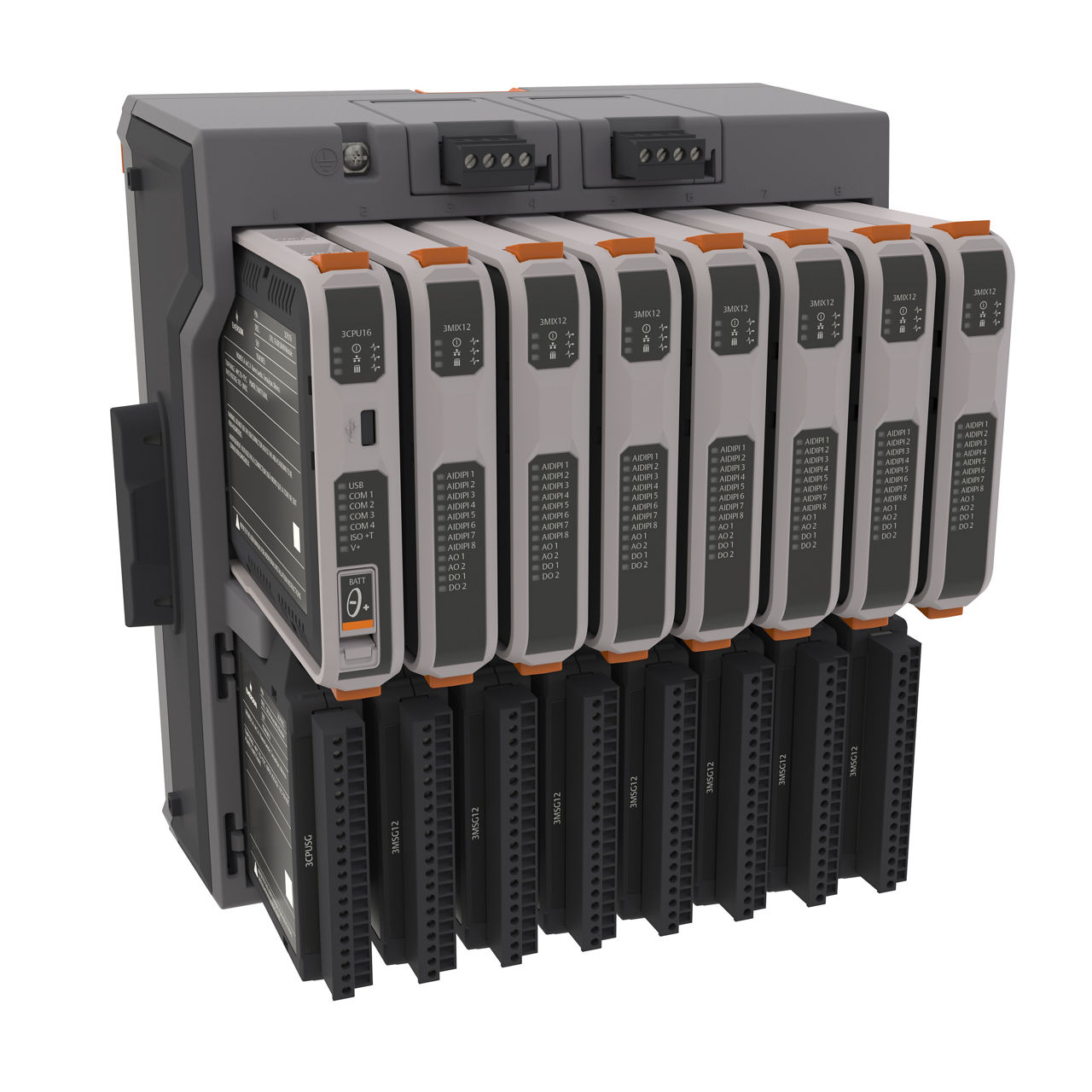
Emerson has expanded liquids automation functions on its DeltaV FB3000 remote terminal unit (RTU), adding proving and batch management capabilities for hydrocarbon custody transfer. The update builds on the platform’s existing measurement, control and communications functions and is intended to let midstream operators manage more of their gas and liquids operations within a common architecture. Announced on 10 November, the enhanced system targets pipelines, gathering networks, terminals, storage facilities and production assets.
Custody transfer uses measured product quantities to support commercial transactions between producers, pipeline operators, terminals and customers. Accurate records depend on the meter installation, operating conditions, calibration and the controls that determine how measurement data are captured and retained. Even a small measurement discrepancy can become material when large hydrocarbon volumes change ownership. Combining the associated functions in an RTU may simplify data handling, but meter performance and verification procedures remain essential to the underlying measurement.
The expansion supports meter proving through Emerson’s Advanced Pulse Module (APM), along with integrated batch management. Proving involves comparing meter output with a suitable reference method to establish measurement performance under the required operating conditions. Pulse processing provides measurement information for that workflow, while associated automation can support its sequencing and records. Emerson expects the integration to streamline proving operations but has supplied no universal time-saving figure or comparative field trial for the update.
Batch management addresses the movement of distinct product quantities or grades through pipelines and terminals. Operations may involve changing routing, recording volumes and associating each batch with the correct product and transaction details. When batch management, measurement and control reside within one automation platform, operators have fewer separate systems to coordinate and reconcile. The actual sequences, interfaces and commercial records will still be configured for each terminal or pipeline and the products it handles.
Potential applications include crude oil, refined petroleum products, diesel, liquefied petroleum gas, condensate, natural gas liquids and some specialty liquid hydrocarbons. Their properties, metering equipment and operating conditions differ, so a common FB3000 control platform does not mean every site can use the same sensor or proving arrangement. The addition is in the automated processing of measurement and batch information, rather than a replacement for product-specific instrumentation and verification.
Emerson says many liquids operators have historically combined separate packages for flow measurement, control and communications, with different service and cybersecurity arrangements across assets. The FB3000 architecture is intended to consolidate those functions and extend an established gas-focused operating environment to a wider liquids workflow. Standardised configurations may make maintenance, support and upgrades easier across geographically dispersed installations, although integration with existing field devices and supervisory systems remains a design task.
Aaron Boettcher, vice president and general manager of Emerson’s energy and transportation solutions business, described the issue as systems complexity: “Many operators continue to manage liquids measurement, control and communications through separate systems that increase complexity and long-term costs.” He said consolidation on one scalable platform is intended to support modernisation and more consistent operations. The assessment is Emerson’s, and the company has not supplied a completed installation case study demonstrating the claimed savings for a particular liquids network.
Emerson describes the product architecture as built around zero trust principles to protect measurement information during the custody transfer process. In practical deployments, access rights, authentication, network boundaries, audit records and controlled software maintenance govern who can alter settings and how transaction data are handled. Consolidation allows operators to apply a consistent design across sites, but it also makes the RTU and its configuration important elements of the integrity of the overall measurement system.
An operator introducing the new functions into an established liquids terminal must account for proving history, batch transitions, alarm handling and financial reconciliation while systems are changed. Some sites may retain existing flow computers and other controls during a phased commissioning programme until measurement and operating procedures have been validated. The platform offers a route to standardisation, not an exemption from application-specific acceptance testing or traceability requirements.
Emerson says its global service network will support the expanded FB3000 range. The November product information does not set out upgrade eligibility for every installed unit, firmware prerequisites, equipment pricing or site-specific commissioning schedules. Those details will determine whether an operator can introduce the new proving and batch functions through its existing hardware or needs additional modules or replacement equipment.