Vulcan Energy has secured a second commercial lithium production licence for its Lionheart project in Germany’s Upper Rhine Valley, completing another regulatory step as construction continues towards targeted first production in 2028.
The Ilka licence was issued by the mining authority of Rhineland-Palatinate and covers Vulcan’s Landau geothermal production area. It follows an earlier licence for the LiThermEx area near Insheim, giving the company commercial lithium-production permissions across two parts of the first-phase Lionheart development.
The Ilka licence is valid for six years, until 9 September 2032. Vulcan intends eventually to combine the two production licences into a longer-duration permission consistent with the project’s planned operating life.
Lionheart is being developed as an integrated geothermal-energy and lithium-production system rather than a conventional hard-rock mine. Hot subsurface brine is brought to the surface, its thermal energy is used to produce renewable heat and power, and dissolved lithium is extracted before the brine is returned underground.
The lithium stream is then intended to move through further processing into battery-grade lithium hydroxide monohydrate. Vulcan’s first commercial phase targets annual production capacity of 24,000 tonnes of lithium hydroxide monohydrate.
The company estimates that output would be sufficient for roughly 500,000 electric-vehicle batteries each year, depending on chemistry and battery size. The same first phase targets around 275GWh of renewable electricity and 560GWh of heat annually for local consumers over an estimated 30-year project life.
Those figures remain project targets rather than current production. The significance of the latest licence is narrower but concrete: Vulcan now has regulatory permission for commercial lithium production in another area that forms part of the Lionheart field development.
The distinction matters because process projects reach production by removing risks one at a time. Financing, land, drilling, resources, plant permits, extraction licences, equipment procurement, grid connections, construction, commissioning, and customer qualification all have to align before the first commercial tonne leaves the system.
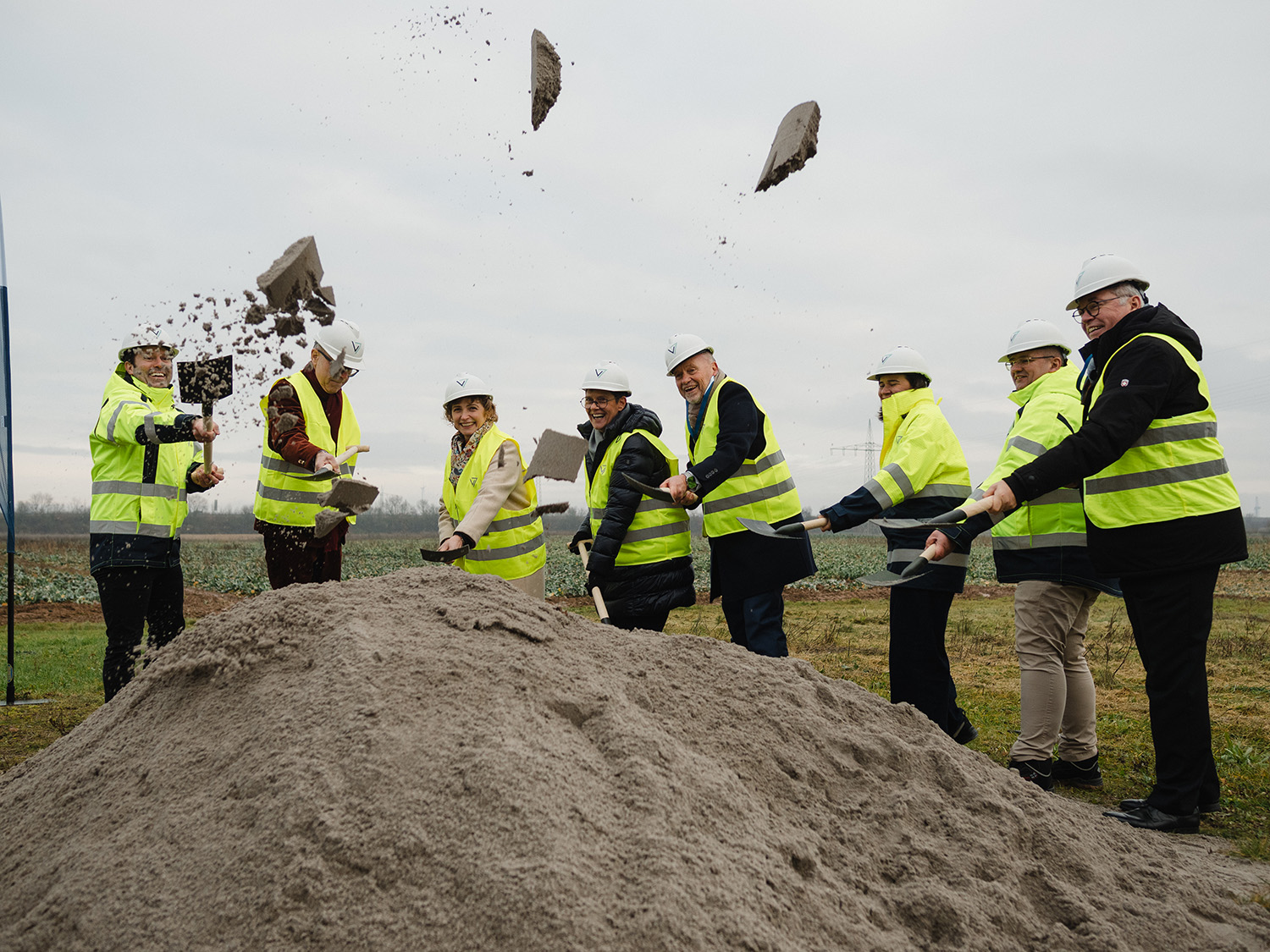
Construction is already underway. Vulcan began execution of the first-phase project after securing a €2.2 billion financing package and laying the foundation stone for its combined geothermal and lithium extraction plant at Landau.
The upstream plant is intended to combine geothermal generation with direct lithium extraction. Lithium chloride produced there will then move to a central lithium plant at Frankfurt’s Höchst Industrial Park for conversion into battery-grade lithium hydroxide.
That integrated chain makes the engineering programme more complex than the phrase “lithium extraction” suggests. Commercial output depends on wells, pumps, brine handling, heat-exchange systems, geothermal generation, adsorption equipment, process chemistry, filtration, utilities, electrical systems, automation, logistics, and downstream chemical conversion.
Performance in one stage affects the rest. Lower-than-planned brine flow changes feed to the extraction plant; extraction efficiency affects lithium concentration; plant outages change both energy and materials output; and final conversion has to meet battery-grade specifications before customers can qualify the product.
The attraction for European manufacturers is geographic. The project aims to produce lithium chemicals within Germany for a battery and automotive industry that remains heavily dependent on overseas raw materials and refining.
Domestic production does not automatically mean cheaper production. Lionheart still has to demonstrate commercial recovery rates, plant availability, operating costs, product quality, resource performance, and sustained output at the scale assumed in its development plan.
The geothermal element creates another potential advantage because naturally heated brine provides an energy co-product alongside the lithium resource. Vulcan says its process is designed to avoid fossil fuels during lithium production while supplying excess renewable heat and electricity into local markets.
The company already operates geothermal assets in the region and has used pilot and optimisation plants to develop its extraction and conversion processes. The commercial phase now has to take that experience into a considerably larger and more integrated production system.
The latest Ilka licence follows the first lithium production licence granted earlier this year and covers an area where geothermal activity is already established. Combining mineral and energy rights is necessary because Lionheart depends on using the same subsurface brine for both renewable-energy production and lithium recovery.
Vulcan says construction and field development remain on schedule for targeted first production in 2028. Between now and then, drilling, surface plants, downstream processing, electrical infrastructure, commissioning, and product qualification all remain substantial pieces of work.
A production licence does not create output by itself, but large industrial projects are quite capable of being stopped by the absence of one. The Ilka approval removes another regulatory barrier from Lionheart’s route towards commercial lithium production while leaving the more difficult job — building and operating the integrated process reliably — still ahead.