A report commissioned by the Offshore Wind Growth Partnership (OWGP) and the Cast Metals Federation (CMF) estimates that increasing British production of cast and forged components for offshore wind could generate up to £14.6 billion in UK gross value added by 2050.
The UK Castings & Forgings Bill of Works, published on 15 October, assesses future demand for metal components and the capabilities that domestic manufacturers have or might develop. It identifies more than two million tonnes of castings and forgings required across the UK offshore wind pipeline between 2026 and 2050, representing approximately £36 billion in market demand.
Under its highest scenario, manufacturers would develop the technical capability to supply components accounting for 37% of that demand by weight, equivalent to approximately 41% by value. The report associates this scenario with up to £14.6 billion in gross value added and around 10,800 jobs supported annually by 2050.
These are forecasts of potential economic activity, not signed procurement commitments or employment already delivered. The calculations depend on future wind development, decisions by equipment buyers, the willingness of manufacturers to invest and the eventual ability of British suppliers to win contracts.
The report estimates that UK manufacturers currently operate in product markets representing around 8% of the forecast demand. Existing capability could potentially increase the range of components they are able to supply to 14%, while targeted investment could raise that figure to 37% by weight.
Those percentages should not be read as three measured shares of contracts currently awarded to British businesses. They describe different levels of capability to address the projected component market. Being able to produce a component is distinct from securing an order for it, and the report’s upper scenario assumes considerably greater industrial capability than exists today.
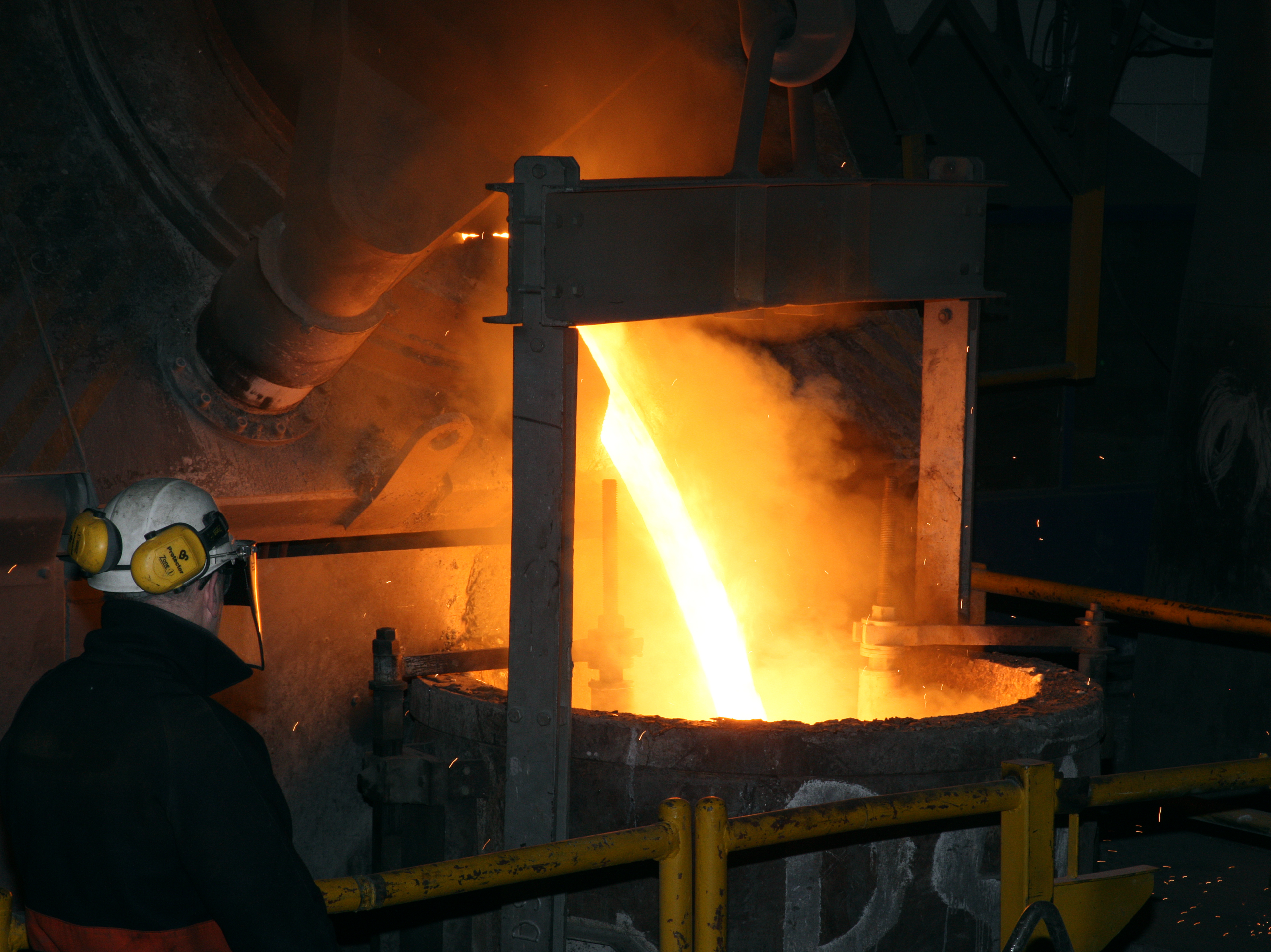
Castings and forgings are used throughout offshore wind equipment, from turbine machinery to foundations, substations and other supporting infrastructure. The methods serve different engineering functions: casting creates a component by solidifying molten metal within a mould, while forging shapes metal through mechanical deformation.
The manufacturing route influences the available geometry, material characteristics and the finishing operations required. Large structural castings may need specialised melting, moulding, heat treatment and inspection, while substantial forgings require presses or other forming equipment capable of producing the necessary sections.
Turbine hubs, forged rings and drivetrain components are among the higher-value opportunities identified in the analysis. These parts may be exposed to substantial static loads and repeated mechanical stresses over many operating cycles. A manufacturer therefore needs to demonstrate the appropriate material condition and inspection results as well as an ability to produce the required shape.
Qualification does not stop with component size. Offshore equipment can encounter corrosion, vibration, fatigue and difficult access for maintenance. Purchasers will normally expect traceability, documented production controls and evidence that the finished product meets the relevant technical specifications.
Some British suppliers are already active in adjacent product categories. OWGP identifies fasteners, sacrificial anodes and cable protection systems among the existing examples. Sacrificial anodes provide corrosion protection by preferentially corroding instead of the steelwork to which they are attached, while cable protection systems guard electrical connections against mechanical exposure.
Such products do not establish that Britain currently has sufficient capacity to make every large offshore wind casting or forging. Moving into heavy component manufacture could require new process equipment, machining capability, handling infrastructure and additional inspection facilities.
The report applies the offshore wind Industrial Growth Plan’s Make or Buy framework to separate product categories that may be accessible using existing industrial capability from those that would demand significant investment. This provides a more useful starting point for industrial planning than treating the entire £36 billion market as automatically available to UK suppliers.
The economics of foundry and forging investments are highly sensitive to utilisation. A new furnace, forge, heat-treatment installation or large machine tool must have enough work over its operating life to justify the initial expense and continuing labour, maintenance and energy costs.
Component demand over 25 years does not necessarily arrive evenly. Wind developers and turbine manufacturers place orders according to the timing of individual projects, product designs and procurement strategies. Changes in the construction pipeline or a switch to different technical specifications can therefore affect the business case for a dedicated production line.
Long-term visibility over likely component requirements could help potential suppliers determine where to develop capabilities and where partnerships would be more appropriate. It cannot remove competition from established international manufacturers or guarantee that domestically produced equipment will meet customers’ price and delivery expectations.
The analysis also identifies exports as a possible benefit of strengthening the home manufacturing base. Cooper Turner Beck is cited as an example of a British supplier already serving overseas offshore wind markets, illustrating how suitable products can compete beyond domestic projects.
Potential opportunities extend into electrical systems, nacelle components and floating offshore wind, where new structural configurations may create different component requirements. Each category still needs its own engineering and commercial assessment before a supplier commits investment.
Foundries and forges are distributed across established industrial regions including Yorkshire and the Humber, the West Midlands, the North East, Scotland and Wales. Additional offshore wind manufacturing could therefore be spread across existing skills and production clusters rather than concentrated solely near the wind farm sites.
OWGP and CMF intend the Bill of Works to inform engagement between developers, original equipment manufacturers and potential suppliers. Its immediate contribution is a quantified view of projected requirements and possible capabilities; real growth will be determined by investment decisions, technical qualification and orders placed over the years ahead.