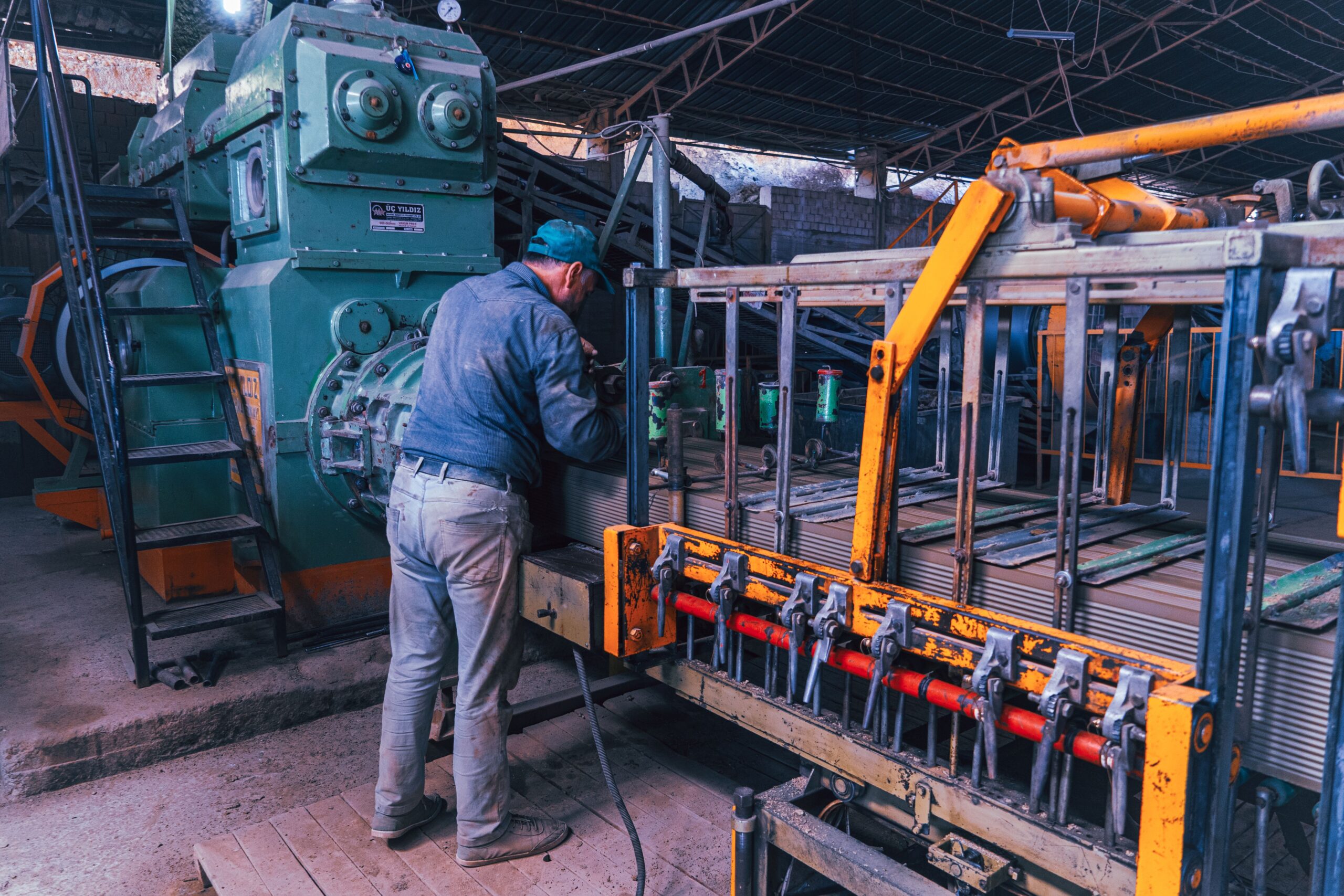
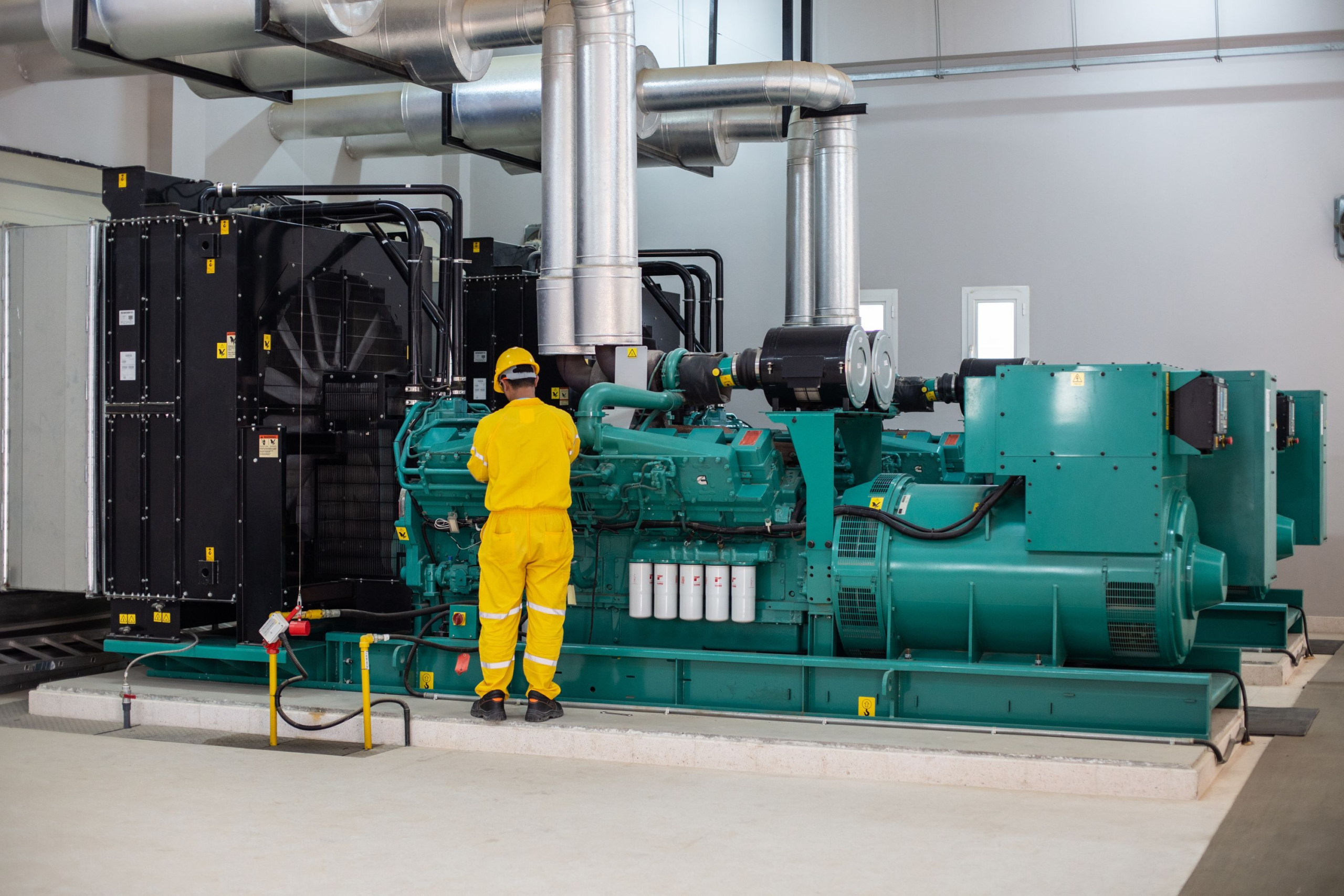
UK manufacturing output accelerated in July despite a modest fall in the sector’s headline purchasing managers’ index. The final S&P Global UK Manufacturing PMI registered 51.9, down from 52.5 in June but above the neutral 50.0 threshold for a ninth consecutive month.
Production increased for a fourth month, with the rate of expansion reaching its fastest pace in almost two years. Consumer, intermediate, and investment goods manufacturers all reported higher output, although the improvement remained uneven between businesses of different sizes. Medium-sized and large manufacturers expanded production, while smaller companies recorded a mild reduction.
Demand provided the stronger part of the July survey. New orders rose for an eighth consecutive month, and export business increased for a seventh, with manufacturers identifying growth from North America, the European Union, mainland China, India, and South Korea. The geographical spread suggests that the improvement was not confined to one customer market or a brief period of domestic restocking.
The headline index nevertheless eased because manufacturers remained restrained in several areas of their operations. Purchasing stocks were reduced sharply, employment growth slowed, and the deterioration in supplier delivery times became less pronounced. Companies continued to add staff, but at the weakest rate recorded during the current period of expansion.
Purchasing activity and input inventories also declined as manufacturers kept working capital under close control. Production schedules may be strengthening, but companies are not yet behaving as though the present rate of demand can be taken for granted. That caution will affect suppliers whose own material orders, staffing, and investment decisions depend on the visibility of customer programmes.
Cost and supply pressures moderated during the month. Input price inflation slowed from recent peaks, factory gate price increases eased, and supplier performance deteriorated less sharply than earlier in the year. Longer international shipping times continued to affect some manufacturers, although the survey indicated a less severe disruption than businesses had encountered during previous months.
Stronger output alongside leaner inventories creates a mixed operating picture. Factories can increase production temporarily by using existing labour, installed machinery, and materials already within the system, but sustained expansion eventually requires purchasing, recruitment, maintenance, and capital expenditure to follow. The July data show the first part of that sequence more clearly than the second.
Recent weakness in broader UK manufacturing order books also illustrates the difference between monthly indicators and conditions across individual sectors. PMI data measure whether activity improved or deteriorated compared with the preceding month; they do not measure the absolute level of production, utilisation, or profitability.
A reading above 50 therefore signals that expansion is more widespread than contraction, but it does not mean factories have recovered every volume or margin lost during earlier downturns. Energy-intensive manufacturers, smaller subcontractors, and businesses exposed to short customer schedules can remain under pressure while the aggregate index moves higher.
Business confidence slipped to a three-month low despite the stronger increases in output and new orders. Manufacturers remained concerned about global trade tensions, taxation, regulation, and the wider economic outlook. Companies expecting growth over the coming year cited improved market conditions, product launches, and hopes for greater geopolitical stability.
The difference between larger and smaller manufacturers deserves particular attention. Larger businesses are more likely to have diversified export exposure, formal purchasing arrangements, and the financial capacity to absorb temporary logistics or material shocks. Smaller suppliers often operate with shorter order visibility and less room to carry labour or inventory ahead of confirmed demand.
Official production data will provide a later check on the survey, although those figures arrive with a longer delay and are subject to revision. The more immediate evidence will come from shift patterns, maintenance schedules, material orders, supplier lead times, and whether manufacturers begin rebuilding stocks rather than continuing to run them down.
July gives UK manufacturing a firmer start to the third quarter than the lower headline PMI initially suggests. Output, orders, and exports are moving in the right direction, but investment and recruitment remain guarded. A lasting recovery will require manufacturers to commit resources before the existing workload has been exhausted.