The Department for Environment, Food & Rural Affairs has set out how the UK–EU sanitary and phytosanitary (SPS) agreement will change requirements for food and feed production, packaging and trade, following the conclusion of negotiations at the 20 November summit. Although the principal trading benefit is a reduction in routine checks on goods crossing between Great Britain and the European Union, the new framework also reaches products made solely for the British market.
The planned application date is 1 March 2028, subject to completion of the required UK and EU procedures. Until then, existing British authorisations, border arrangements and import and export documentation continue to apply. Food processors and ingredient suppliers have a period in which to compare legislation, check product specifications and prepare their production and quality systems, but the legal switch has not yet taken place.
A common SPS area would remove most routine export health certificates, phytosanitary certificates, pre-notifications and physical border inspections on qualifying movements between Great Britain and the EU. Government estimates cited in the summit documents put the avoided cost of an export health certificate at up to £200, while phytosanitary certification can add approximately £25 per certificate plus inspection charges. The precise saving for any operation depends on the goods, route and current documentary requirements.
Those exemptions are not equivalent to unrestricted movement of every commodity. Specific pest and disease measures and exceptional certification controls can remain, as they do within the EU’s own common SPS area. Customs declarations and HMRC clearance requirements also form a separate compliance system, so removing a veterinary or plant-health document does not abolish customs formalities or other trade obligations.
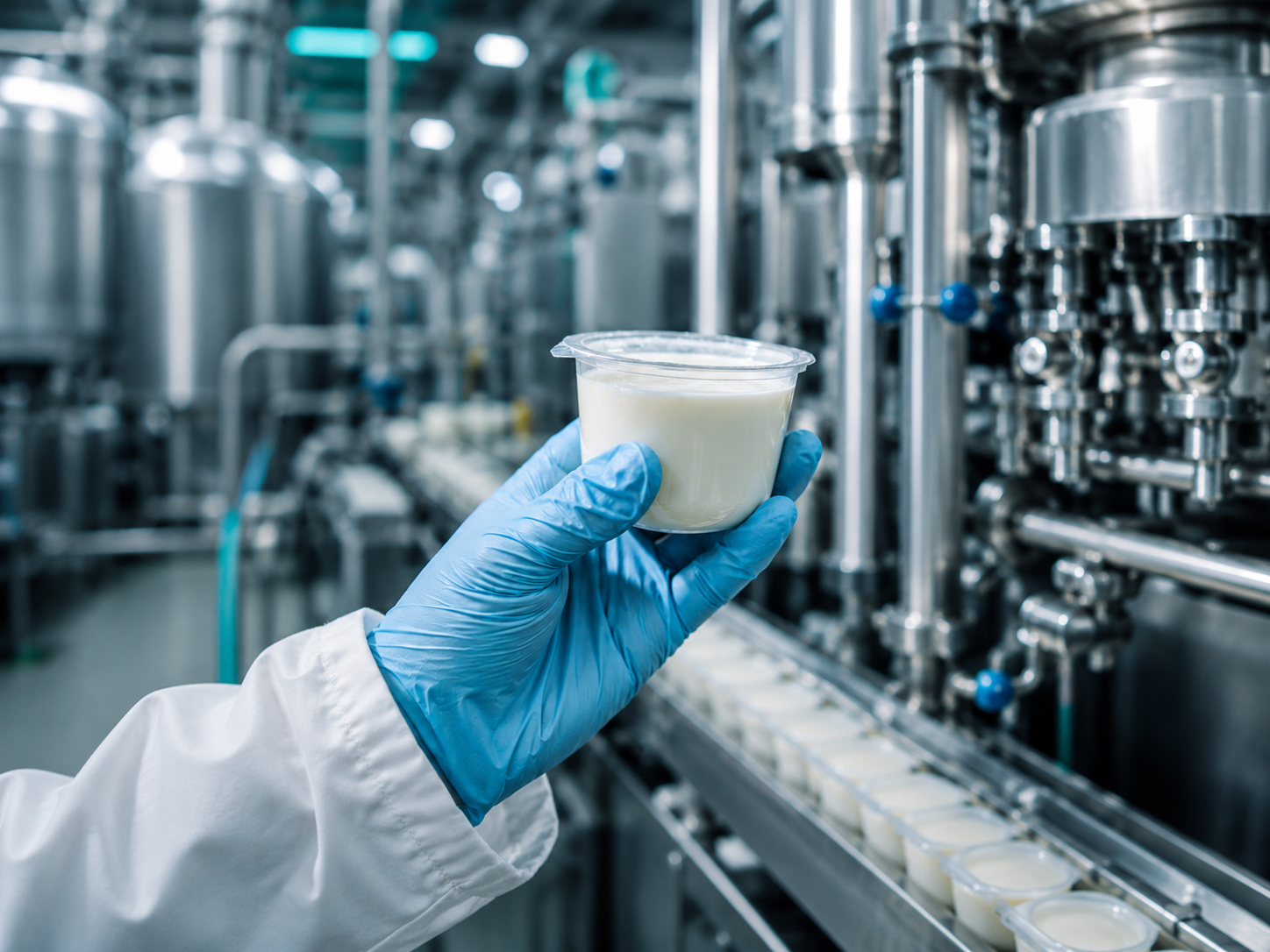
British manufacturing plants will face regulatory alignment even when they sell their output entirely within Great Britain. The government says that relevant EU food and feed rules will apply to domestic production and consumption, as well as imports and exports. Its preparation guidance covers manufacturing, processing, printing, packing, logistics and distribution, so a factory serving only UK customers may still need to revise specifications and compliance procedures.
Existing Great Britain approvals for regulated food and feed products will generally cease to apply from the agreement’s start, apart from specified exceptions and transition periods. Manufacturers will have to check equivalent EU authorisations and the conditions governing additives, enzymes, flavourings, extraction solvents, novel foods and feed products. A current GB approval cannot be assumed to support manufacture or sale after the changeover.
The authorisation changes can affect production well beyond the regulatory department. Where an additive, processing aid or ingredient has a different permitted status or specification, manufacturers may need to revise recipes, supplier approvals, purchasing records, production instructions and validation plans. Existing stock and product shelf life complicate the transition because a new formulation or label cannot necessarily be introduced across every product and warehouse simultaneously.
Businesses manufacturing, recycling, converting, importing or using food contact materials will need to check the relevant aligned requirements, including material specifications and declarations of compliance. The government has outlined arrangements for eligible goods already placed on the Great Britain market, while new products placed on the market after the changeover will generally have to meet the applicable EU rules. Packaging conversion lines and approval workflows may therefore need updating before March 2028.
Health and identification marks are also scheduled to change. The government plans legislation that would permit early use of new marks, allowing eligible producers to alter packaging before the formal application date rather than redesign every label at once. That early route remains subject to the legislative process. Existing lawful stock will have separate sell-through protection, which reduces the risk that a change in label rules automatically creates a waste problem on the day the agreement starts.
Novel foods and certain smoke flavourings are among the product groups with specific transition arrangements. Guidance for novel food technologies identifies limited categories that can continue under existing GB authorisations for an agreed period, while some products using smoke flavourings face a different timetable. These provisions depend on the particular authorisation and product involved. Factories must check their eligibility against the published exceptions rather than assume an unrestricted extension for existing stock.
Shorter certification and inspection processes could change dispatch planning for perishable goods moving between Great Britain and the EU. Exporters may be able to organise smaller, more frequent consignments without the same administrative lead time, although customs formalities and relevant exceptional controls will remain. At the production end, alignment will require manufacturers to maintain traceability, food safety controls and valid supplier information under the new common rulebook.
Draft implementing legislation and further sector guidance are still to follow. The government has indicated that it will consult on food and feed provisions, giving manufacturers an opportunity to examine the detail before it takes effect. Product mapping, authorisation checks, packaging changes and quality-system planning can begin against the published guidance, with the final legal requirements and any transitional exceptions determining what must be completed by 1 March 2028.