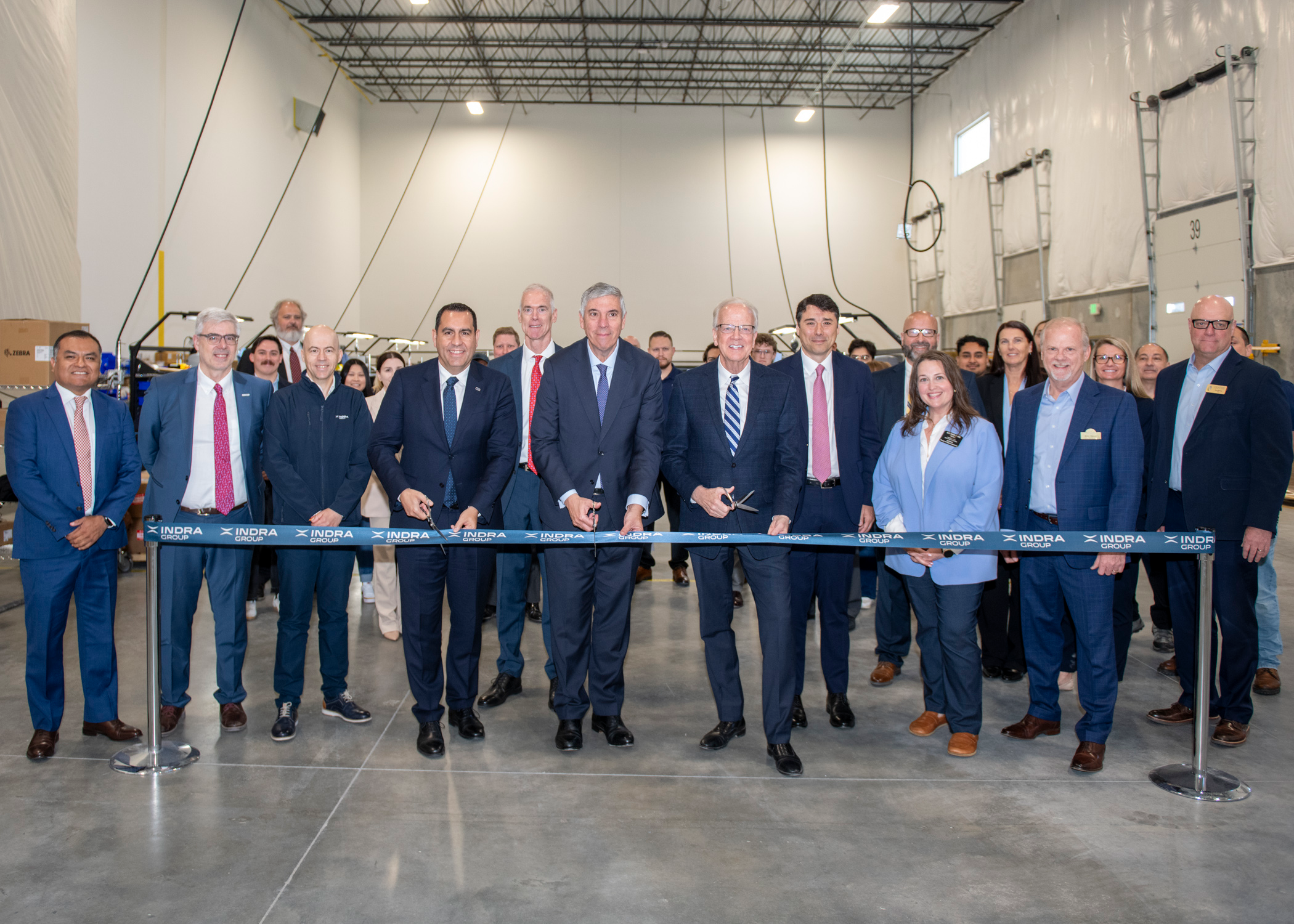
TEKEVER has acquired Edinburgh engineering company Flowcopter, bringing its hydraulic transmission technology into the group as the autonomous aircraft manufacturer expands heavy-lift development in the UK.
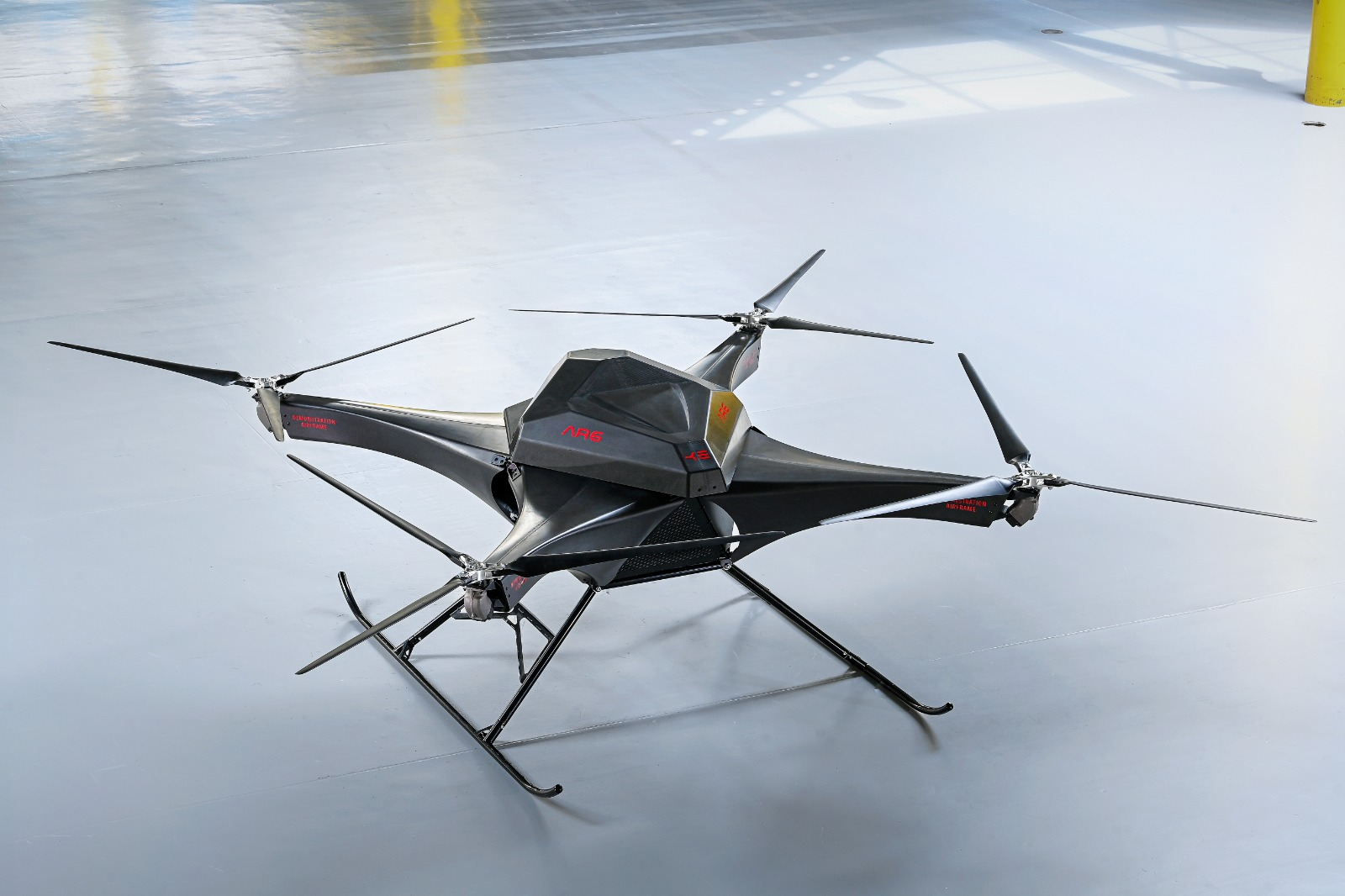
TEKEVER has already been working with Flowcopter on the AR6 family of uncrewed aircraft, unveiled at Farnborough International Airshow in July. The first AR6 platform incorporates Flowcopter’s propulsion technology and is intended to carry at least 200kg over 500km, placing the acquisition inside an active aircraft programme.
The companies have not disclosed the value or financial terms of the transaction. TEKEVER said Flowcopter’s engineering presence in Edinburgh will be retained under the TEKEVER brand, adding the Scottish operation to a UK network that already includes facilities in London, Bristol, Southampton, West Wales, Lydd, and Swindon.
TEKEVER says it now employs more than 300 people in the UK. The acquisition also sits within OVERMATCH, its longer-term programme to invest more than £400 million in UK research, infrastructure, and autonomous defence technology, with a previously stated target of creating more than 1,000 skilled jobs over five years.
Flowcopter has developed aircraft around a hydraulic transmission using industrial components and hydraulic motors for demanding operating environments, including maritime applications. The architecture is intended to address the payload, endurance, structural mass, and propulsion-efficiency compromises that become more severe as uncrewed aircraft move into heavier lift classes.
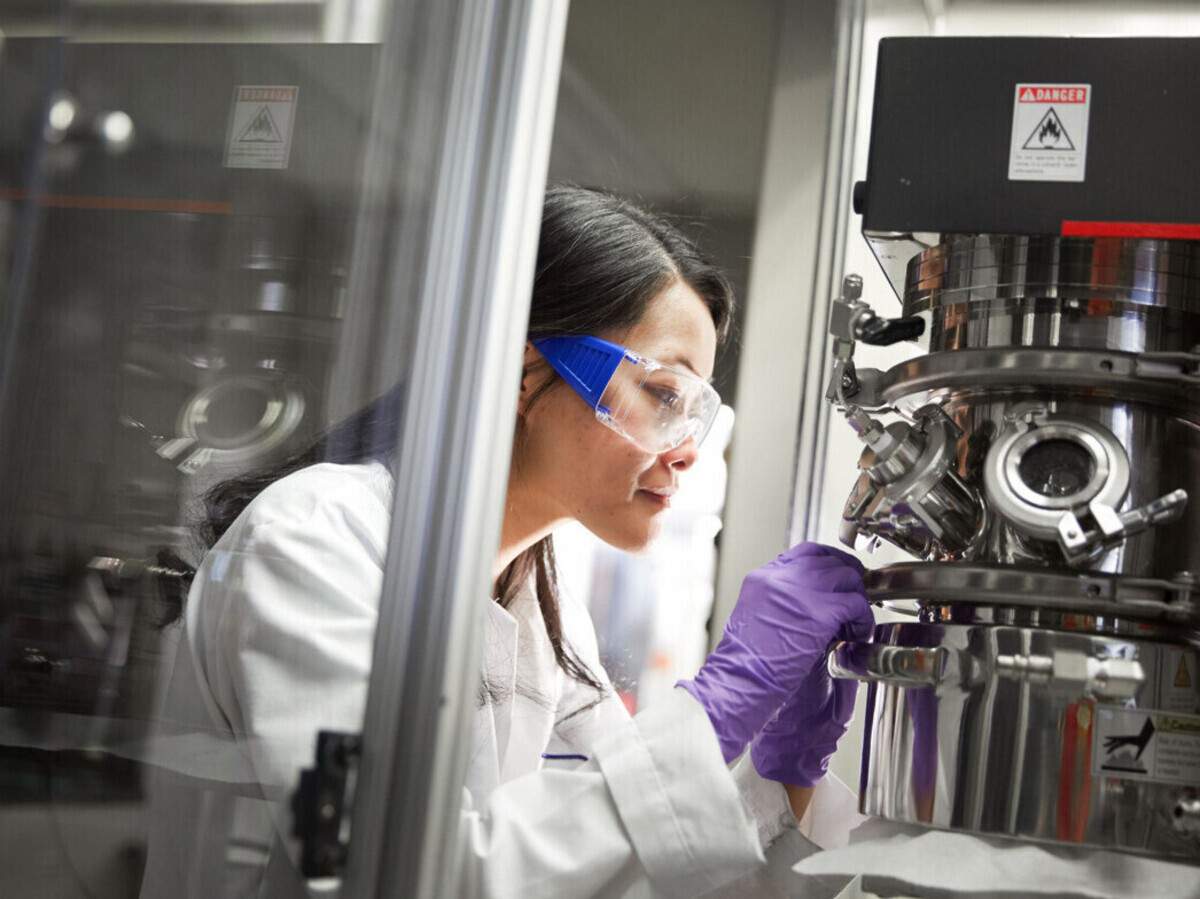
The company moved to larger premises outside Edinburgh in 2023, adding laboratory and fabrication space together with a test hall equipped with a 20-tonne crane. That facility gives the engineering team room to assemble and test full-scale heavy-lift systems rather than limiting development to smaller rigs and component work.
Flowcopter’s FC100 platform indicates the performance envelope it has been pursuing. The company lists a maximum take-off weight of 650kg and a maximum payload of 200kg, with endurance of five hours plus a 30-minute reserve when carrying 150kg, rising to 11 hours plus reserve with a 50kg payload. It also describes the platform as road transportable and sized to fit within a standard 20ft ISO container.
Those figures apply to the FC100 rather than the AR6, but they illustrate the demands placed on a transmission intended for long-endurance heavy lift. Every kilogram allocated to drive systems, fuel, structure, and reserves competes with useful payload, while the propulsion system has to sustain performance across changes in wind, routing, diversion requirements, and mission load.
By acquiring Flowcopter, TEKEVER brings a propulsion team and technology already used in the AR6 development path inside the same corporate group as the airframe, autonomy, mission-system, and manufacturing functions. That reduces the organisational boundary around design changes as the larger aircraft family moves towards production.
The AR6 programme is planned for production through TEKEVER’s Swindon operation, where the company is building a broader manufacturing base for autonomous aircraft. Propulsion changes can now be handled alongside aircraft configuration, software, testing, and production engineering within the same group rather than solely through an external supplier relationship.
Industrialising a heavy-lift aircraft still requires the complete transmission to meet defined life, inspection, maintenance, and reliability requirements. Hydraulic pumps, motors, pipework, controls, seals, structures, and drive components also affect weight, vibration, thermal behaviour, and centre of gravity, so integration cannot be separated from the rest of the aircraft design.
Production brings a different set of constraints. Components that perform on development aircraft have to be manufactured repeatedly, inspected against stable specifications, traced through the supply chain, and supported with spares and repair processes. Use of established industrial hardware can reduce some component-development work, but aerospace integration still depends on the final system design, qualification route, and operating environment.
TEKEVER is targeting applications including logistics, casualty evacuation, offshore operations, search and rescue, disaster relief, and crewed-uncrewed teaming. Those missions impose different payload, endurance, and utilisation patterns, increasing the value of common propulsion and production architecture across the AR6 family where configurations can share qualified equipment.
The Edinburgh operation now gives TEKEVER direct control of a propulsion technology already tied to its heavy-lift programme while preserving Flowcopter’s engineering base in Scotland. The commercial milestone will come when the combined design can be built, qualified, supported, and repeated at production rate — the point at which an acquisition becomes manufacturing capacity rather than another line on an organisation chart.