SPIE has agreed to acquire 94% of French industrial engineering company CLAUSER, expanding its maintenance and high power electrical capability as energy intensive plants increase investment in electrification and process decarbonisation.
CLAUSER employs around 100 people and generated revenue of approximately €22 million in 2025. Founded in 1963, the family owned business operates from Saint-Jean-de-Maurienne and Dunkirk and provides engineering, modernisation and maintenance services to industrial customers.
Its technical specialisms include electrical installations carrying large power loads, aluminium production and processing, and electrochemical processes. Bringing those capabilities into SPIE Industrie increases the group’s exposure to production environments where the electrical system forms part of the manufacturing process and failures can stop an entire operating line.
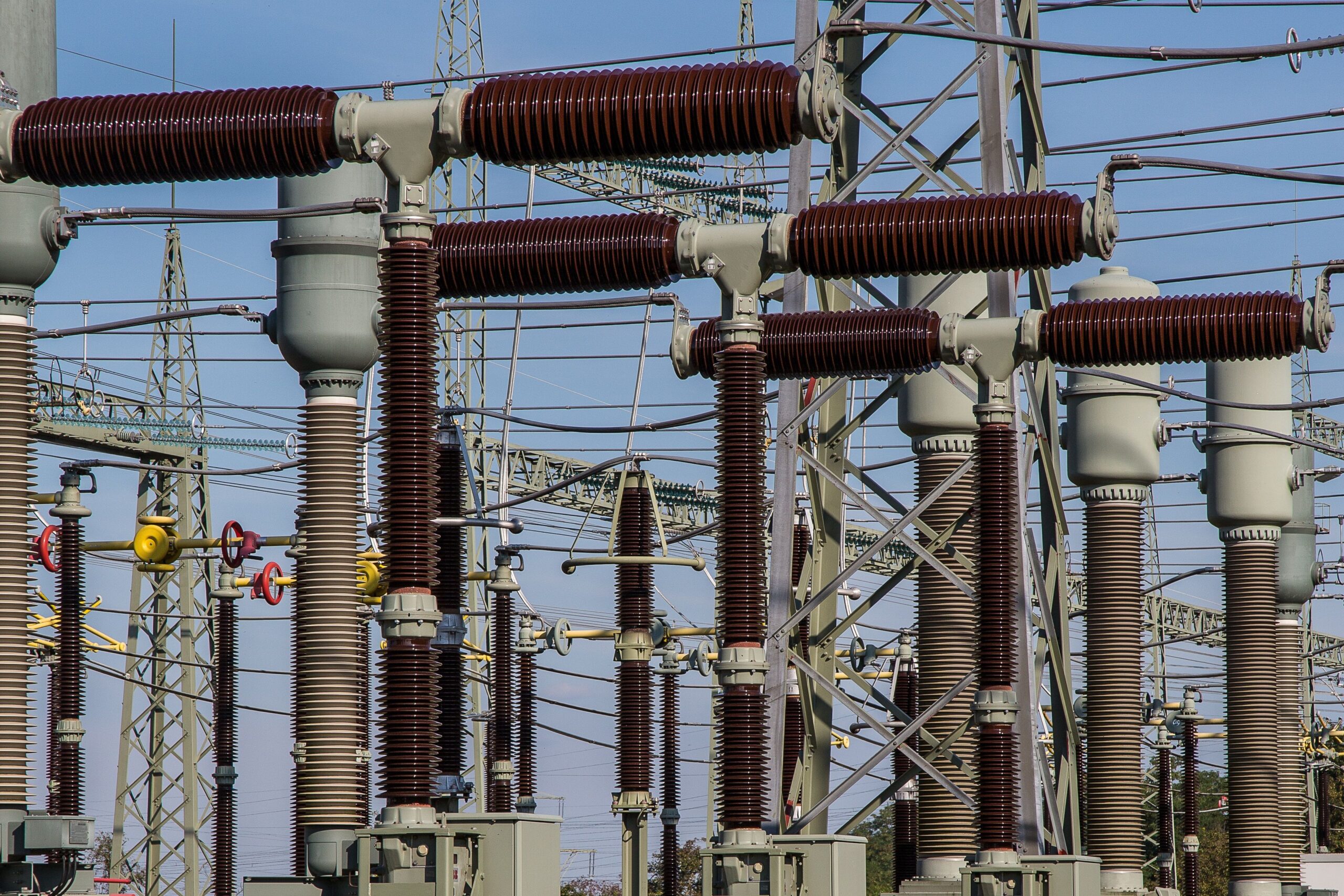
Energy intensive plants depend on transformers, switchgear, protection equipment, conductors and process connections capable of delivering large and often continuous loads. As more heat, motion or chemical conversion is supplied electrically, installed power requirements rise alongside the operational importance of the equipment distributing that electricity around the site.
Higher loading affects both capacity and maintenance because conductors, busbars, switchgear and transformers operate closer to their thermal limits as demand increases. Protection settings and fault levels may also change when larger motors, converters or process loads are added, requiring existing infrastructure to be reassessed before new production equipment is connected.
CLAUSER’s experience in aluminium places it directly within that type of environment. Primary aluminium production relies on electrolysis, making electrical current an input to the manufacturing reaction itself, while downstream treatment and processing add large motors, furnaces and handling equipment whose supply has to remain coordinated with the wider plant.
Electrochemical operations create similar dependencies because process conditions and electrical input move together. Variations in current or voltage can alter production, while loss of supply can interrupt a stage that may require controlled shutdown and restart procedures before normal output resumes.
Modernisation work therefore has to account for the condition of both new and existing assets. Additional electrical capacity may require larger transformers, replacement switchgear, revised protection or new distribution routes, while operating factories often impose narrow outage windows in which connections can be changed without unacceptable production losses.
Existing sites can also contain equipment installed over several decades, making accurate surveys and condition assessment important before design work begins. Drawings may not fully reflect later modifications, and available space around substations, cable routes or process machinery can restrict how new infrastructure is introduced.
CLAUSER adds engineers accustomed to carrying out that work inside active industrial sites rather than on isolated greenfield installations. Maintaining an electrical system connected to an aluminium line or electrochemical process requires coordination between power engineering, production requirements and shutdown planning because intervention on one part of the distribution network can affect a much larger section of the plant.
Electrification increases the number of sites facing those decisions. Replacing direct gas combustion with electrical heating, drives or electrochemical processing can reduce emissions at the point of use, but the additional demand still has to pass through the site’s incoming connection and internal network before it reaches the new machine.
Inspection and planned maintenance therefore become part of capacity planning as plants add electrical loads. Condition data can identify transformers, cables or switchgear that are already operating close to acceptable limits and provide the evidence needed to schedule replacement before new equipment pushes them beyond the required duty.
CLAUSER’s operations in Saint-Jean-de-Maurienne and Dunkirk also place SPIE closer to industrial customers in regions with substantial metals and process activity. The acquisition gives SPIE Industrie an established workforce and customer base rather than requiring the group to build those specialist capabilities through recruitment alone.
SPIE is acquiring 94% of the company, while the transaction value and ownership of the remaining stake have not been disclosed. CLAUSER is small relative to SPIE’s wider European operations, but its concentration in aluminium, electrochemical processes and high power electrical systems adds expertise directly connected with the increased electrical loading now being introduced across many manufacturing sites.
Those installations will require commissioning, inspection, planned maintenance, fault response and later modernisation throughout their operating lives. CLAUSER gives SPIE additional capacity across those stages, particularly where production continuity depends on electrical infrastructure remaining available under progressively higher loads.