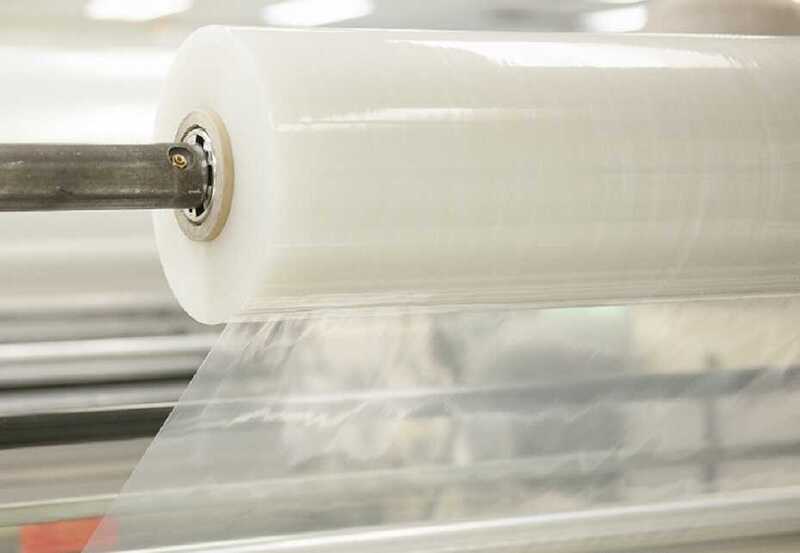
Smurfit Kappa introduces sustainable new bag-in-box film

Smurfit Kappa introduces sustainable new bag-in-box film

Smurfit Kappa has developed a recyclable film to replace the nylon which is commonly used in bag-in-box products, particularly in the US. Nylon bags are often used in bag-in-box packaging which requires extra protection, for example large industrial-use food bags. Nylon is alsosometimes chosen when there is particularly long or complex supply chain. Smurfit Kappa…


Smurfit Kappa has developed a recyclable film to replace the nylon which is commonly used in bag-in-box products, particularly in the US.

Nylon bags are often used in bag-in-box packaging which requires extra protection, for example large industrial-use food bags. Nylon is also
sometimes chosen when there is particularly long or complex supply chain.

Smurfit Kappa bag-in-box has developed a polyethylene film which has similar properties to nylon, in terms of strength and resilience but, unlike nylon, is recyclable.

Massimiliano Bianchi, COO of Smurfit Kappa bag-in-box, commented: “Our new Lx polyethylene film is much better for the planet because polyethylene is the most developed recyclability stream in the flexible packaging sector.

“We are delighted that we can now offer our customers a sustainable alternative which doesn’t compromise on quality, reliability or safety. This innovative film can replace the nylon used in many different bag types because it delivers undeniable and consistent performance no matter what the application and requirements.”

Lx polyethylene is the latest addition to Smurfit Kappa bag-in-box’s broad portfolio of sustainable films offered globally for different market segments and supply chain demands.
Related content


Stories for you


  • Veolia secures €200m Gulf desalination contracts

    Veolia secures €200m Gulf desalination contracts

    Veolia has secured two major desalination contracts across the Gulf. Worth nearly €200m combined, the agreements cover technology and design for a new UAE facility and five years of operation and optimisation at an Omani plant.


  • Kawasaki adds cybersecurity controls to industrial robots

    Kawasaki adds cybersecurity controls to industrial robots

    Kawasaki has introduced stronger cybersecurity controls for industrial robot controllers. Its F Series Controller S-type adds access privileges, protected communications and software integrity functions, with a phased rollout beginning in November for handling applications.
