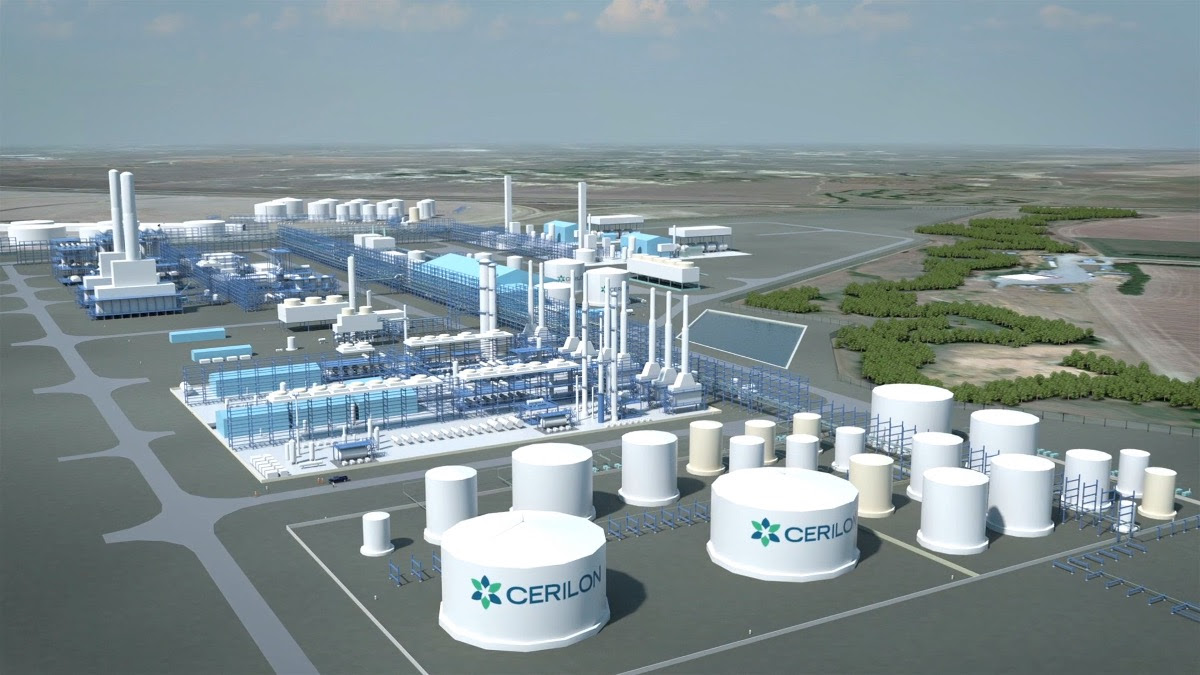
Sandoz is investing around $300 million in a new biosimilar drug-substance manufacturing plant in Ljubljana, Slovenia, adding four disposable fed-batch reactors and 8,000 litres of production capacity to its European network when the facility becomes operational in 2029.
The plant is intended for low- to medium-volume biosimilar products and will support both clinical and commercial manufacture. It complements higher-volume and continuous production technologies elsewhere in the Sandoz network, giving the company another process route as the number and scale of products in its portfolio increases.
Disposable fed-batch manufacturing uses single-use assemblies for important stages of the bioprocess rather than relying entirely on permanently installed stainless-steel equipment. For a plant handling multiple biological products at different volumes, that can improve flexibility between campaigns and reduce some of the cleaning and changeover requirements associated with fixed production trains.
The four reactors will provide a combined 8,000 litres of capacity. That is smaller than the very large bioreactor trains used for some high-volume biologics, but the configuration is intended to give Sandoz greater control over products whose demand does not justify those larger installations or which are still progressing from development into commercial supply.
The facility will be built next to the company’s biosimilar development centre in Ljubljana. Locating development and production close together can simplify technology transfer, where a process established at laboratory and development scale has to be reproduced reliably using equipment capable of producing material for clinical trials and eventual commercial distribution.
Biological manufacturing makes that transfer particularly demanding. The product is generated through living-cell systems whose behaviour depends on parameters including temperature, dissolved gases, feed strategy, mixing, nutrient conditions, and process time. Downstream purification then has to separate the desired biological material while maintaining its required characteristics.
Biosimilars add a further requirement because they are developed to be highly similar to an existing biological medicine. The manufacturing route therefore has to deliver tightly controlled product quality while also operating predictably enough to satisfy commercial supply, regulatory, and cost requirements.
Single-use fed-batch technology gives Sandoz another way to balance those requirements. Disposable equipment can shorten turnaround between products and reduce the need to clean and validate some fixed process surfaces, while individual campaigns can be scheduled around medicines with different production volumes.
The investment forms part of a larger biosimilar manufacturing build-out in Slovenia. Sandoz has been developing drug-substance production at Lendava and sterile production and packaging capability at Brnik, while Ljubljana has become a centre for biosimilar development.
The new plant adds another manufacturing technology to that network rather than duplicating existing capacity. Products requiring larger volumes can use higher-capacity processes elsewhere, while lower- and medium-volume medicines can be assigned to a more flexible fed-batch configuration.
That distinction becomes more important as the number of biosimilars grows. Sandoz’s Bio100 programme targets a portfolio of more than 100 biosimilar products by 2040, compared with 13 in its portfolio in 2026, creating a production-planning challenge that cannot be addressed simply by installing the largest possible bioreactors.
A broader portfolio means more process transfers, production campaigns, validation work, raw-material requirements, quality-control testing, and regulatory documentation. Demand also varies substantially between products, therapeutic areas, and national markets, making flexibility within the manufacturing network increasingly valuable.
Production capacity has to be matched with downstream operations as well. Drug substance leaving a bioreactor still requires purification, formulation, sterile filling, inspection, packaging, testing, and release before the finished medicine can enter distribution. Expanding one stage without sufficient capacity elsewhere merely moves the manufacturing constraint further along the chain.
Sandoz’s investments across Slovenia give it several stages of that process within the same country. Concentrating development, drug-substance production, and sterile manufacturing within a regional network can reduce some of the organisational and logistical complexity associated with transferring products between widely separated sites.
Greater internal capacity can also reduce reliance on external manufacturing partners for programmes where production slots, technology transfer, and long-term scheduling are strategically important. Biologics plants require specialised staff and validated equipment, and available capacity cannot always be increased quickly when a product moves from development into larger-volume supply.
The Ljubljana project therefore adds both litres and production flexibility. Its four disposable reactors create a tier suited to clinical supply and smaller commercial programmes while allowing other plants to concentrate on products whose volumes justify larger or continuous processes.
Construction, equipment installation, process qualification, and regulatory readiness now sit between the investment decision and the planned 2029 operating date. Once commissioned, the plant will add a distinct low- and medium-volume manufacturing route to Sandoz’s European network, giving the company another way to allocate a growing biosimilar portfolio across processes matched to actual product demand.