Saint-Gobain has agreed to acquire US infrastructure products manufacturer D.S. Brown from Gibraltar Industries for $208 million in cash, extending the French group’s North American construction portfolio into specialised bridge components and related engineered protection systems.
Gibraltar announced the agreement on 15 October, stating that completion is expected during the fourth quarter of 2026. The sale remains subject to regulatory approvals and customary closing conditions, including potential post-closing adjustments to the cash consideration.
D.S. Brown manufactures structural bearings, bridge expansion joints, waterproofing products and related infrastructure components. Its products are used in road and bridge construction, maintenance and rehabilitation, where assemblies must continue to perform under substantial structural loads and repeated movement.
The industrial assets being acquired are established manufacturing and engineering capabilities rather than newly announced construction projects. Neither company has disclosed a new factory development, committed production expansion or headcount increase specifically arising from the transaction.
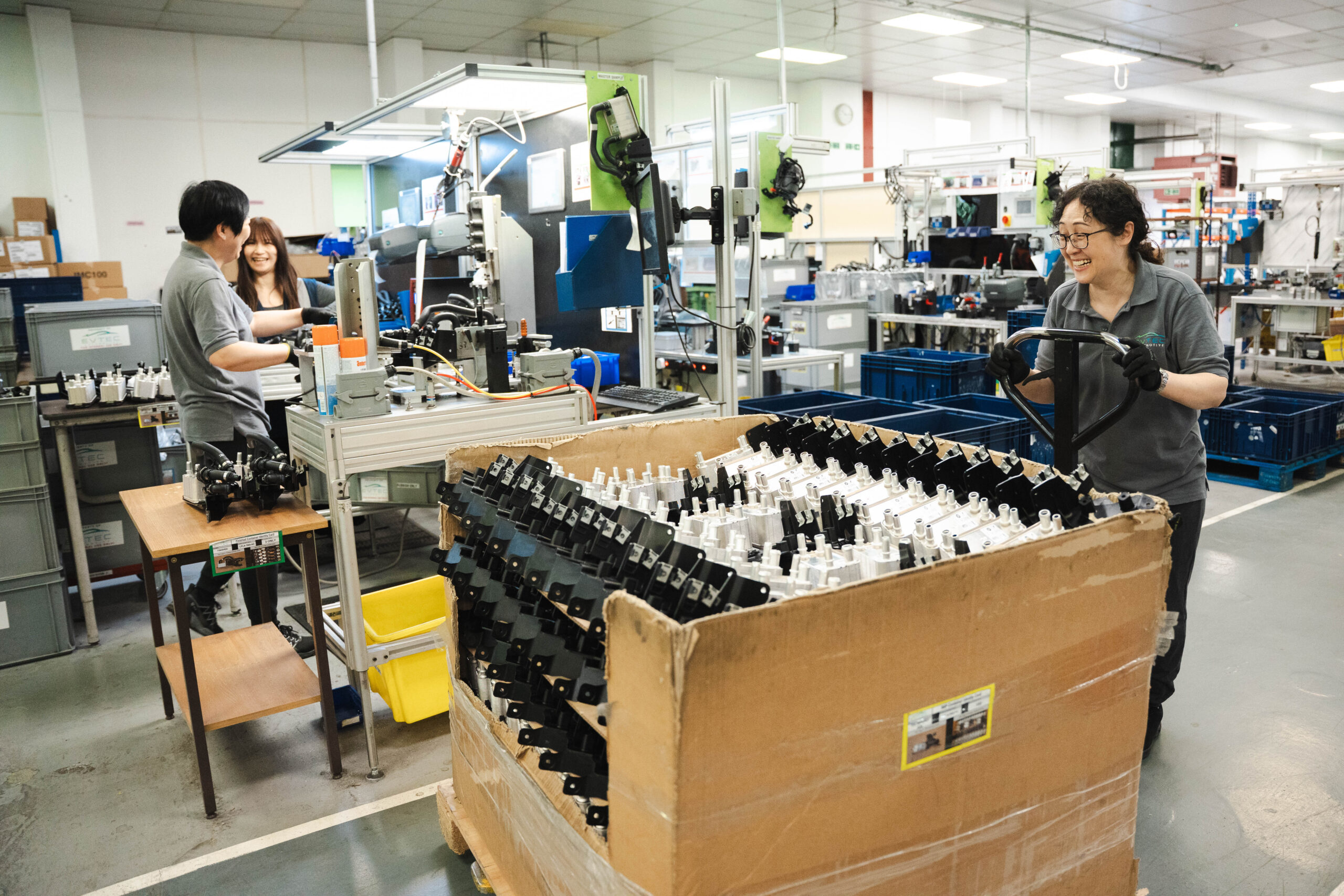
D.S. Brown traces its history to 1890 and operates manufacturing and technical activities in North Baltimore, Ohio. Its range draws on steel fabrication, machining, elastomer processing, moulding, assembly and testing, combining several engineering processes within finished infrastructure products.
A bridge is subject to loading and deformation throughout its service life. Road traffic introduces repeated forces, while changes in temperature cause structural elements to expand and contract. Supporting components must safely transfer load and, where the design requires it, accommodate displacement or rotation.
Structural bearings provide the interface between the deck or other superstructure elements and their supports. Different arrangements are selected according to load, permitted movement, rotation, operating temperature and environmental conditions. The choice depends on engineering requirements established for the specific structure, not simply on bearing size.
Laminated elastomeric bearings use layers of rubber and reinforcement to support vertical forces while allowing controlled deformation. Other configurations, including pot and spherical bearings, use different internal arrangements to accommodate combinations of loading and movement.
Manufacturing such parts requires close attention to material quality, dimensions and interfaces. Inaccurate machining, unsuitable elastomer properties or poor assembly can affect performance, and individual specifications may require defined tests before the product is accepted for installation.
Bridge expansion joints perform a related but distinct role. They bridge gaps between deck sections while allowing movement caused by temperature, loading and other effects. They must also provide a safe running surface while resisting repeated vehicle impacts, debris and exposure to water and road salts.
D.S. Brown produces several joint systems, including arrangements with steel components and elastomeric seals. The sealing function is important because water passing through a failed joint can reach supporting structural elements, contributing to corrosion or deterioration over time.
The company also supplies waterproofing and protective systems intended to limit the entry of water and other substances into infrastructure assemblies. Bearings, joints and barriers are separate products but often serve the same objective of managing movement and protecting the underlying structure.
Saint-Gobain has been expanding its construction chemicals activities and its offering to infrastructure customers. Adding products that combine metals, engineered polymers and mechanical assemblies could broaden the range of products available through that industrial portfolio.
The precise commercial integration has not been disclosed. There is no announced timetable for changing production processes at North Baltimore, consolidating facilities or transferring the D.S. Brown product range to other Saint-Gobain sites.
For Gibraltar Industries, the sale forms part of its effort to simplify its business portfolio and concentrate on building products and structures markets. Gibraltar has said it intends to use the proceeds to reduce debt, a financing decision by the seller rather than an investment commitment for D.S. Brown.
The $208 million represents the agreed cash transaction consideration, subject to the stated adjustments. It should not be presented as an announced capital investment in plant or equipment, nor as a valuation of future manufacturing contracts secured by D.S. Brown.
Bridge maintenance and renewal programmes provide demand for specialised bearings and joints, but purchasing decisions can vary according to public infrastructure budgets, procurement rules and the condition of individual assets. An acquisition does not establish the size or timing of any future customer order.
Closing the transaction will determine when the business transfers into Saint-Gobain’s ownership. Until then, D.S. Brown remains within Gibraltar Industries, operating its existing manufacturing and engineering activities. Regulatory approval and completion are the next formal milestones, rather than the immediate expansion of productive capacity.