Renishaw has completed the first phase of a £70 million expansion at its Miskin manufacturing site in South Wales, bringing a new 193,000 sq ft production hall into full operation as demand rises across several of the company’s precision engineering markets.
The wider development will add 463,000 sq ft of space and ultimately double the size of the site. Renishaw acquired the former Bosch facility near Cardiff in 2011, when the existing buildings totalled about 416,000 sq ft, and has since turned Miskin into one of its principal UK manufacturing centres. More than 900 people now work there.
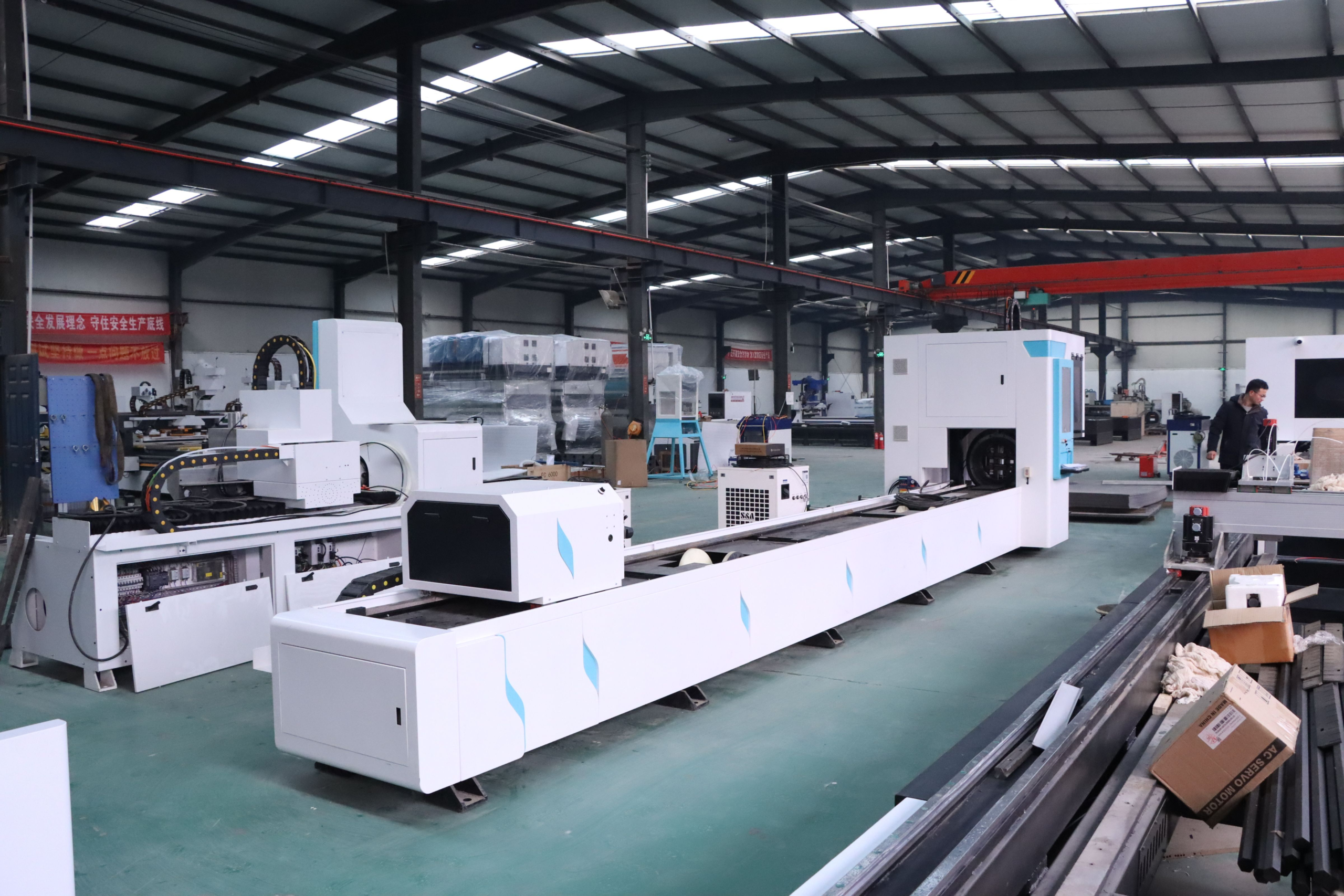
Hall 3, the first of two new manufacturing halls, is being used to build Renishaw’s metal additive manufacturing systems and AGILITY coordinate measuring machines. Those CMMs inspect complex manufactured parts by measuring component geometry against a digital definition, allowing dimensional errors to be detected before components move further through production or into service.
Automated storage and retrieval equipment has also been installed as part of the expansion, giving Renishaw more control over the movement of materials, components and finished assemblies through the plant. Combined with the additional production space, the equipment allows manufacturing areas to be rearranged as product demand changes without relying entirely on manually managed storage.
Hall 4 has been constructed as a shell rather than fully equipped from the outset, preserving capacity that can be fitted out as manufacturing requirements develop. Renishaw now expects part of that space to be occupied sooner than initially anticipated because demand for position encoders from semiconductor equipment manufacturers has increased.
Position encoders provide precise feedback inside machinery by converting physical movement into measurement data that a control system can use to determine the location of an axis, stage or component. Semiconductor manufacturing equipment depends on that positional accuracy through processes ranging from wafer production to packaging and device testing, where small dimensional errors can reduce yield or equipment performance.
Demand from the semiconductor supply chain is being driven partly by investment in artificial intelligence infrastructure, according to Renishaw. The pressure was already visible in the company’s latest annual results, when Position Measurement revenue rose 26% as semiconductor equipment demand strengthened. Further capital expenditure is now being directed towards machine tools, electronics production and automated assembly as well as buildings.
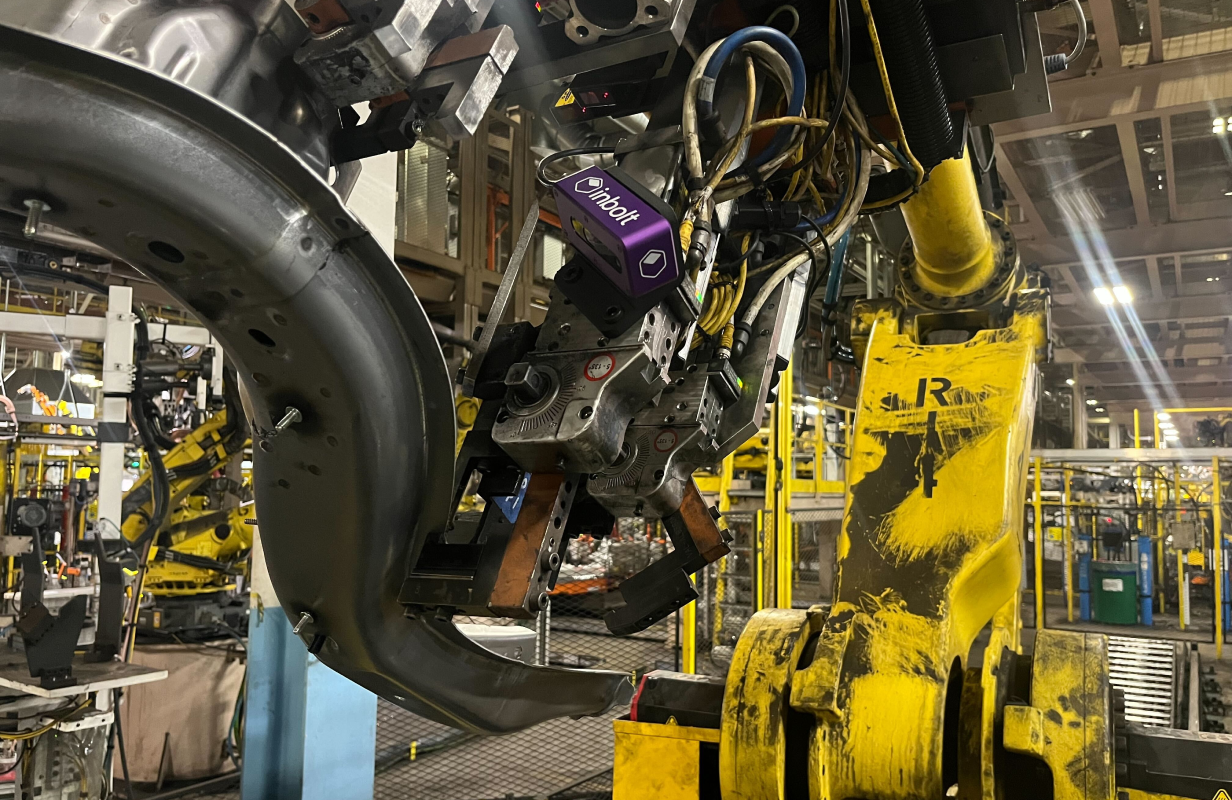
Producing a large proportion of its own equipment and components gives Renishaw direct control over several stages of its manufacturing chain, but rising orders have to be matched by capacity across machining, electronics and assembly rather than floor space alone. Miskin currently operates 134 CNC machine tools producing about one million parts a month, alongside three printed circuit board assembly lines, robotic assembly equipment and automated warehousing.
The new halls have been designed around both manufacturing load and building energy demand. Hall 3 uses electric heat pumps for heating and cooling, heat recovery equipment captures more than 84% of the heat in extracted air, and more than 150 energy meters separate building consumption from manufacturing process use. That data will allow Renishaw to compare actual operating performance with the assumptions used when the building was designed.
Precision manufacturing also places limits on how aggressively building energy can be reduced because temperature and environmental stability affect both production and measurement. Thermal variation changes the dimensions of materials, while electronic production, metrology and some additive manufacturing processes depend on controlled conditions. Reducing the energy required to maintain those conditions can lower operating demand without relaxing the controls required by the process.
Solar generation is integrated into the development through 920 sq m of roof mounted photovoltaic panels and a further 285 sq m on the walls. Renishaw estimates that the installation will generate about 199MWh each year, while enhanced insulation and glazing are intended to reduce the heating and cooling load.
Renishaw plans to monitor Hall 3 during its first five years of operation, comparing energy use, renewable generation and system performance with design modelling. The results can inform the eventual fit-out of Hall 4, where equipment selection will determine both manufacturing capacity and the additional electrical and environmental load placed on the site.
Miskin has expanded substantially from the operation Renishaw established after acquiring the site 15 years ago. Initial production began in 2012 with a single shift and around 25 employees at the formal opening; usable space has now reached about 617,000 sq ft and is expected to total roughly 880,000 sq ft when Hall 4 is operational.
The completed first phase gives Renishaw immediately usable manufacturing capacity while leaving part of the £70 million development deliberately flexible. Semiconductor equipment, additive manufacturing and dimensional inspection rely on different production processes, so the pace at which Hall 4 is equipped will show which areas of demand absorb the next block of capacity.