Ramboll has been appointed Owner’s Engineer for the 30MW Barrow Green Hydrogen project, taking responsibility for technical and programme assurance as the development moves through detailed engineering, construction, installation, and commissioning.
The plant will supply renewable hydrogen to Kimberly-Clark’s manufacturing operation in Barrow-in-Furness, delivering approximately 100GWh each year. Project estimates indicate that hydrogen could reduce natural gas consumption at the site by as much as 50%, avoiding around 18,300 tonnes of carbon dioxide emissions annually.
Barrow Green Hydrogen forms part of the Green Hydrogen Energy Company portfolio, a joint venture between Schroders Greencoat and Carlton Power. Supported through the first Hydrogen Allocation Round, it is among the earlier large British projects from that programme to reach a final investment decision.
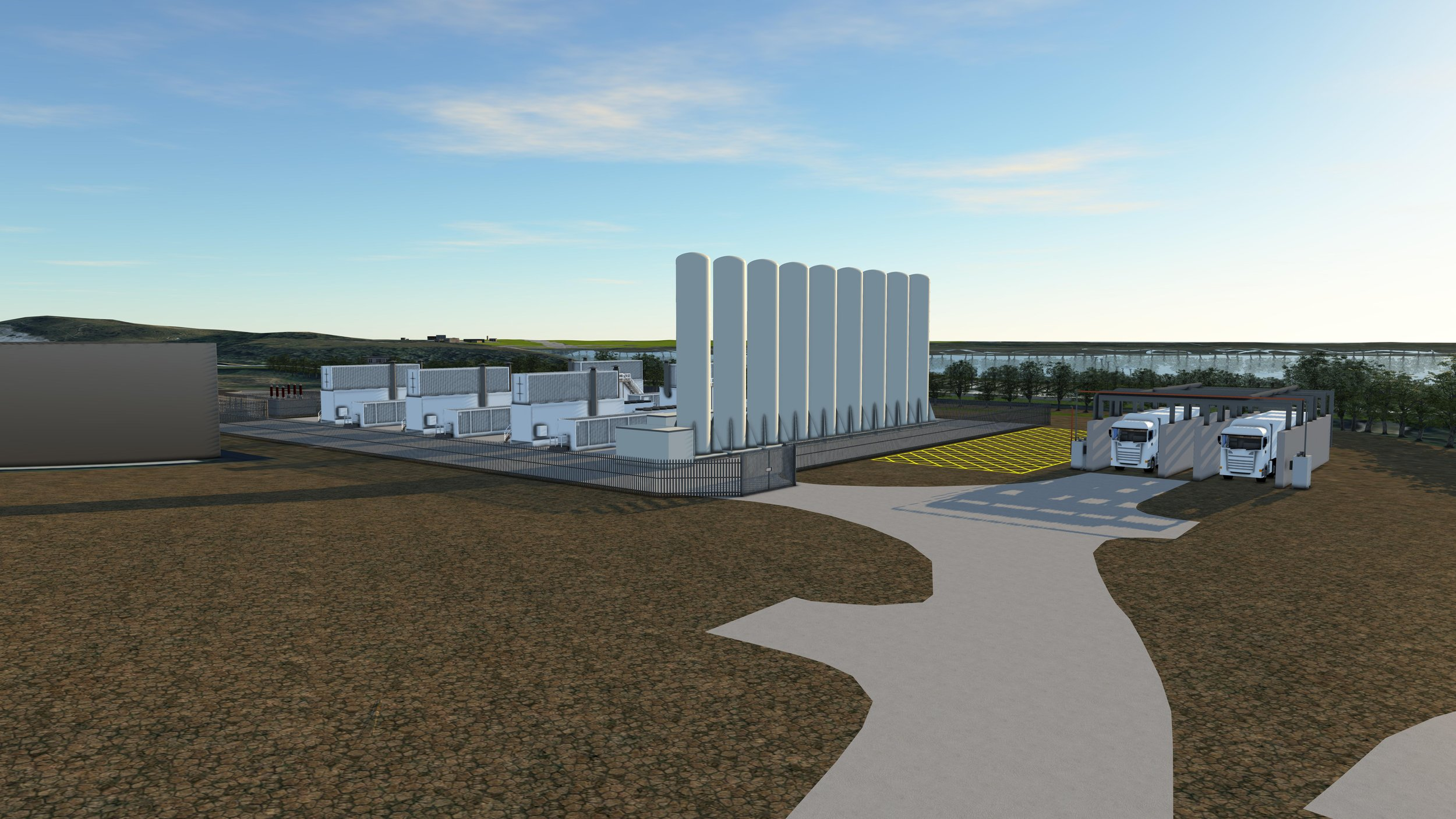
Plug Power will supply the electrolysers, which use renewable electricity to separate water into hydrogen and oxygen. The complete facility will also include water treatment, electrical conversion, compression, cooling, controls, safety systems, and storage or buffering equipment capable of matching hydrogen production with the manufacturing site’s fuel demand.
Ramboll has worked on the scheme since 2024, and its expanded remit covers technical assurance, programme oversight, contract administration, multidisciplinary design reviews, site support, and coordination between design packages. The company will also chair the hazard and operability study.
Working between the asset owner, technology suppliers, engineering contractors, construction teams, regulators, and end user, the Owner’s Engineer will oversee the interfaces that determine whether individually compliant equipment operates as a coherent plant. Hydrogen flow, purity, pressure, availability, and control behaviour all have to remain compatible with the production process receiving the fuel.
Electrolyser output changes with electrical input and equipment condition, while Kimberly-Clark’s plant requires a dependable energy supply. Compression, buffering, control, and retained backup arrangements must absorb differences between variable hydrogen production and the operating requirements of the manufacturing process.
Industrial hydrogen moves into plant integration
Electrolysers account for only part of the installed system. Transformers, rectifiers, pumps, water-treatment equipment, heat exchangers, compressors, pipework, valves, analysers, and controls can determine availability and operating cost even when the core stack performs as specified.
The electrical connection will shape the plant’s operating strategy because electrolysers can provide flexible demand but repeated load changes affect equipment, auxiliary consumption, hydrogen output, and maintenance. Electricity availability and price must be balanced against the factory’s need for stable fuel pressure and flow.
Water quality requires equally close control. Electrolysis systems generally use highly purified feedwater, making local supply, treatment performance, effluent management, and planned maintenance part of the hydrogen production process. Failure within the water system can restrict output even when electrical and electrolyser equipment remains available.
Hydrogen also behaves differently from natural gas, with small molecules, broad flammability limits, and material-compatibility considerations influencing equipment selection. Pipework, seals, compressors, valves, instruments, and storage systems must be suited to the operating pressure and service conditions.
Ventilation, gas detection, hazardous-area classification, pressure relief, and emergency shutdown systems have to function across package boundaries. A detector supplied with one package may need to initiate isolation or shutdown elsewhere, while the complete control sequence must remain effective during power loss, instrument failure, or interruption of communications.
The HAZOP process will examine how deviations in temperature, pressure, flow, composition, electricity supply, cooling, and control propagate through the plant. It will also establish responsibilities where separate contractors supply interacting equipment, reducing the risk that an interface falls outside every individual package specification.
Commissioning will progress in controlled stages, beginning with electrical systems, water treatment, controls, compressors, and safety functions before hydrogen is introduced. Complete performance can only be demonstrated once the plant operates with its actual feed, product, customer connection, and normal variation in demand.
Kimberly-Clark provides a defined industrial customer rather than leaving the project dependent on a future merchant market for hydrogen. The manufacturing operation will nevertheless need to manage combustion behaviour, equipment compatibility, operating procedures, maintenance, and supply interruptions as part of the conversion.
Replacing up to half of the site’s natural gas allows the plant to retain operational resilience while gathering evidence on hydrogen performance, production quality, cost, and maintenance. Full conversion would place greater demands on production capacity, storage, backup arrangements, and any downstream equipment currently designed around natural gas.
The project will also test the practical delivery of the UK’s low-carbon hydrogen support system. Revenue arrangements can improve investment certainty, but construction still depends on planning conditions, grid connections, specialist equipment, engineering resources, and the readiness of the industrial user.
International electrolyser manufacturing capacity has expanded, yet projects continue to encounter delays around complete plant integration. Compressors, electrical equipment, control systems, water treatment, and specialist construction resources do not necessarily increase at the same rate as electrolyser nameplate capacity.
Long lead-time equipment and package boundaries require close schedule control, particularly where late design information can affect civil works, cable routes, pipe supports, access, or commissioning. Resolving such issues after installation generally costs more and creates greater disruption than addressing them during coordinated design review.
Ramboll’s expanded role places independent engineering oversight around those dependencies as Barrow moves towards construction. The project’s performance will ultimately be measured through safe and dependable hydrogen delivered into an operating factory, with availability, cost, and continuity determining whether the model can be repeated across other industrial sites.