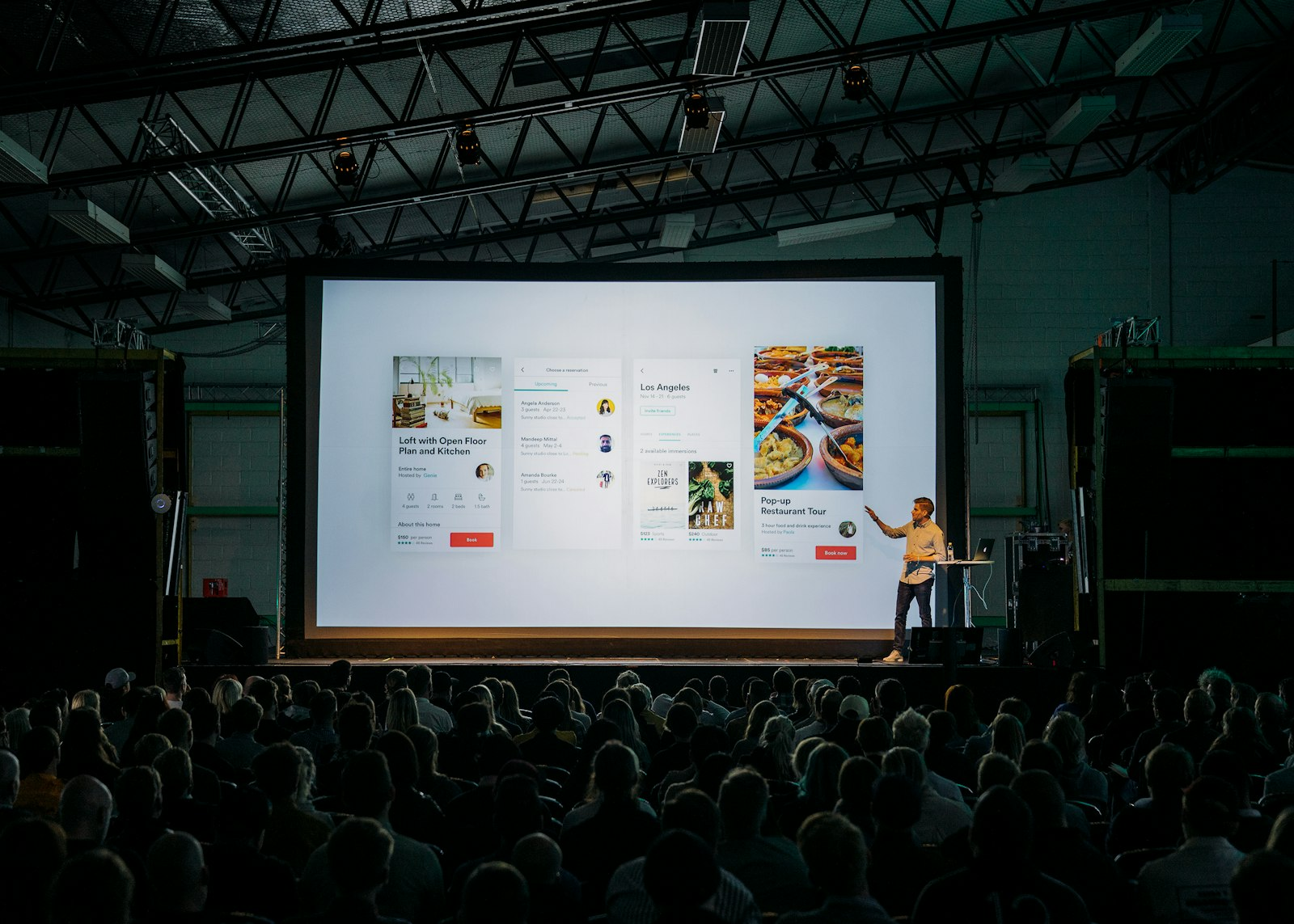
PPMA Show has announced Dr Kevin Fong as its first keynote speaker for the 2026 event, which returns to the NEC Birmingham from 22 to 24 September.
The event will bring together suppliers and buyers across processing machinery, packaging equipment, robotics, machine vision, automation, and industrial production systems. Organisers expect around 350 exhibitors and 1,500 brands, positioning the show as a major UK meeting point for manufacturers investing in throughput, reliability, labour efficiency, and process control.
Fong, a doctor and broadcaster with experience spanning space medicine, NASA, and NHS England, will bring a cross-disciplinary perspective to the keynote programme. The strongest industrial weight remains on the exhibition floor, where machinery, automation, and packaging suppliers will be competing for capital projects in factories facing tight operating conditions.
Processing and packaging remain under sustained pressure across the UK manufacturing base. Food, beverage, pharmaceutical, personal care, household goods, and industrial product manufacturers are all dealing with labour constraints, higher energy costs, sustainability demands, traceability requirements, and retailer pressure on price and service levels. Machinery investment is being assessed against all of those conditions at once.
Automation has moved beyond a narrow productivity case. In many factories, it is tied directly to resilience, because a packaging line that can switch formats quickly, reduce manual handling, improve inspection, control waste, and maintain uptime can protect margins in a volatile demand environment. Poorly integrated automation, by contrast, adds complexity without removing the underlying bottleneck.
The PPMA Show sits close to practical production decisions. Visitors are usually comparing conveyors, filling systems, robotics, coding and marking equipment, inspection technology, packaging machinery, controls, safety systems, and line integration services against real plant constraints. The value of the event depends on how well those suppliers can connect equipment capability to measurable operational gains.
The UK automation sector is also undergoing leadership and representation changes, with new leadership at Automate UK arriving as adoption is increasingly linked with competitiveness, skills, and manufacturing investment. PPMA Show will provide a practical view of how that conversation translates into purchasing priorities.
Robotics will remain a central theme. Industrial robot use is expanding beyond traditional automotive and high-volume applications into packaging, palletising, machine tending, inspection, and flexible handling. Collaborative robots, mobile robots, and vision-guided systems are opening new use cases, but they also require stronger integration expertise, better safety planning, and clearer return-on-investment calculations.
Developments in robot safety are widening the range of feasible applications. Certified 3D sensing, improved guarding strategies, and better software control are allowing robots to operate closer to people and in less predictable environments. That creates new requirements for risk assessment, sensing, operator training, and maintenance as automation moves into spaces originally designed for manual work.
Machine vision is likely to attract attention for similar reasons. Inspection and guidance systems are becoming more capable as cameras, lighting, edge processing, and AI-based analysis improve. Manufacturers are using vision for label checks, defect detection, fill-level inspection, product orientation, robot guidance, seal inspection, and traceability.
The difficulty is not only choosing a camera or algorithm. Vision systems must remain stable under factory lighting, product variation, washdown, vibration, dust, speed changes, and mechanical drift. Their success depends on integration quality as much as raw image processing performance.
Packaging machinery investment is being shaped by sustainability as well as efficiency. Lightweighting, recyclable materials, paper-based formats, mono-material films, refill systems, and extended producer responsibility costs all affect machinery specification. Materials that improve recyclability can behave differently on existing equipment, forcing manufacturers to revisit sealing, forming, cutting, friction, static, and line speed assumptions.
Processing equipment faces its own constraints. Hygienic design, cleanability, energy consumption, changeover speed, and data capture are increasingly central to capital decisions. Food and pharmaceutical manufacturers need systems that support compliance as well as throughput, while many plants are trying to modernise without taking critical lines offline for extended periods.
PPMA Show 2026 arrives in a market where capital discipline is high, but operational pressure is higher. Manufacturers want equipment that can deliver measurable improvements quickly, yet they also need machinery that can adapt as product ranges, packaging materials, labour availability, and regulatory requirements continue to shift.