Capital on Tap has identified a potential growth market for heating engineers as UK search interest in residential air conditioning rises during increasingly warm summers.
Google Keyword Planner data analysed for the study indicates that searches for “air conditioning” reached an estimated 450,000 during June 2026, an increase of 309% compared with the previous year and 2,941% over three months.
Searches showing more direct purchasing intent also increased. “Air con price” generated an estimated 12,100 searches, while “air con near me” reached 9,900. Both were 236% higher year on year and 1,581% higher over three months.
June produced the highest search volume in the dataset, almost three times the previous peak recorded during July 2022. The rise in local installer and pricing searches suggests that more households are examining permanent cooling rather than short term responses to hot weather.
Weather conditions have added urgency, with June 2026 provisionally recorded as the UK’s second warmest June and the warmest in England. A temperature of 37.7°C was observed at Lingwood in Norfolk.
Heating engineers are well placed to enter the market because many already work with refrigeration cycles, heat pumps, controls, electrical interfaces, pipework, condensate drainage, and temperature management systems.
Capital on Tap’s wider analysis places heating engineers fourth among the highest paid UK trades, with an average rate of £43 per hour and £259 per day. London recorded an average heating engineer rate of £59 per hour, followed by Milton Keynes at £52.
Those figures do not mean every engineer can move directly into air conditioning work. Equipment containing fluorinated refrigerants must be installed and serviced by appropriately qualified personnel and businesses, while electrical, planning, noise, drainage, and manufacturer requirements must also be addressed.
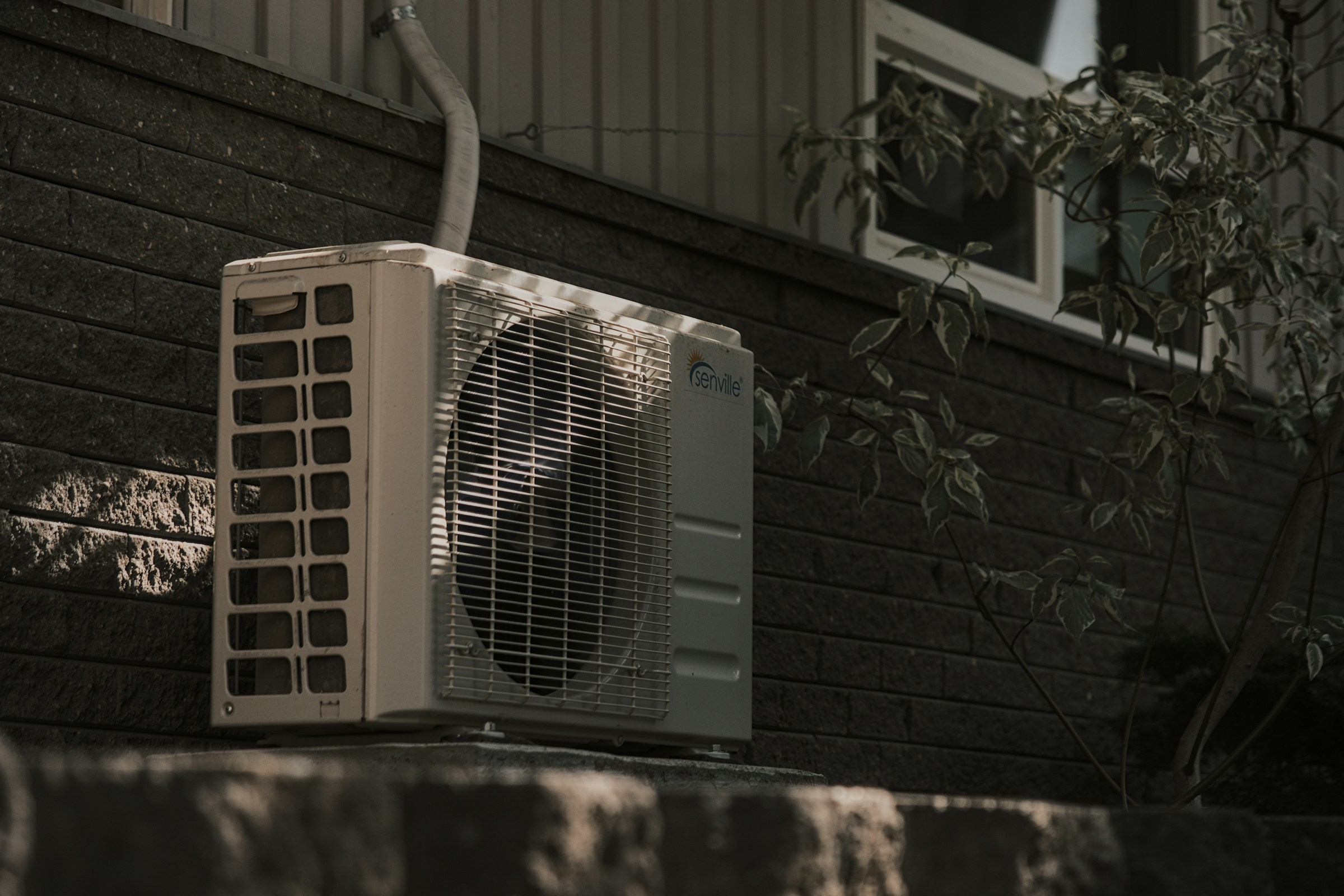
Domestic installations range from a single split system serving one room to systems supplying several rooms, ducted equipment, and reversible heat pumps providing both heating and cooling. Each arrangement creates different demands for outdoor unit location, pipe runs, electrical supply, condensate disposal, controls, access, and maintenance.
Hugh Acland, chief commercial officer at Capital on Tap, said: “As UK summers become warmer, record search interest in air conditioning suggests more people are exploring ways to keep their homes cool.
“Heating engineers already rank among the UK’s highest paid trades according to our latest report. As global temperatures keep rising, there’s a real opportunity for tradespeople to expand into air con installation, with those who already have the skills best placed to be first in line as demand grows.”
Cooling has also moved further into housing policy, with proposals for air conditioning in new homes accompanied by clarification that existing rules do not ban installation in new or established properties.
Building Regulations Part O places the initial emphasis on limiting unwanted solar gains and providing effective means of removing excess heat. Mechanical cooling is normally considered after passive measures such as shading, glazing design, ventilation, and building orientation have been assessed.
Unrestricted installation of cooling equipment could increase electricity demand during summer peaks. Poorly designed systems may also treat overheating without addressing excessive solar gain, inadequate ventilation, or badly controlled internal loads.
Air conditioning provides a controlled option where passive measures cannot maintain acceptable conditions. Modern reversible systems can also provide efficient space heating during cooler weather, creating a broader service offer for engineers already working with heat pumps and temperature controls.
The market extends beyond installation because filters require cleaning, refrigerant circuits need inspection, condensate systems can block, outdoor coils collect debris, and controls must be configured correctly. A larger installed base will create recurring servicing and fault diagnosis work.
Hotter weather is already forcing closer attention to building services resilience. The debate over pipe materials and thermal performance shows how elevated temperatures affect complete systems, including supports, joints, insulation, service voids, and maintenance access.
Equipment capacity depends on room size, glazing, insulation, orientation, occupancy, electrical equipment, and usage. Oversized systems can cycle inefficiently and control humidity poorly, while undersized units may operate continuously without reaching the required temperature.
Noise and outdoor unit placement will become more contentious as installations increase in dense housing. Neighbours, planning restrictions, bedrooms, narrow access routes, and shared walls all need consideration before equipment is selected.
The strongest commercial position will sit with engineers able to provide design, installation, commissioning, and ongoing support rather than treating air conditioning as a seasonal product sale. Competence, certification, and accurate load assessment will determine whether the expanding market delivers reliable cooling or a new stock of poorly specified equipment.
Search demand will fluctuate with the weather, but warmer summers, greater awareness of overheating, and the growth of reversible heat pump technology are bringing heating and cooling into the same building services market.