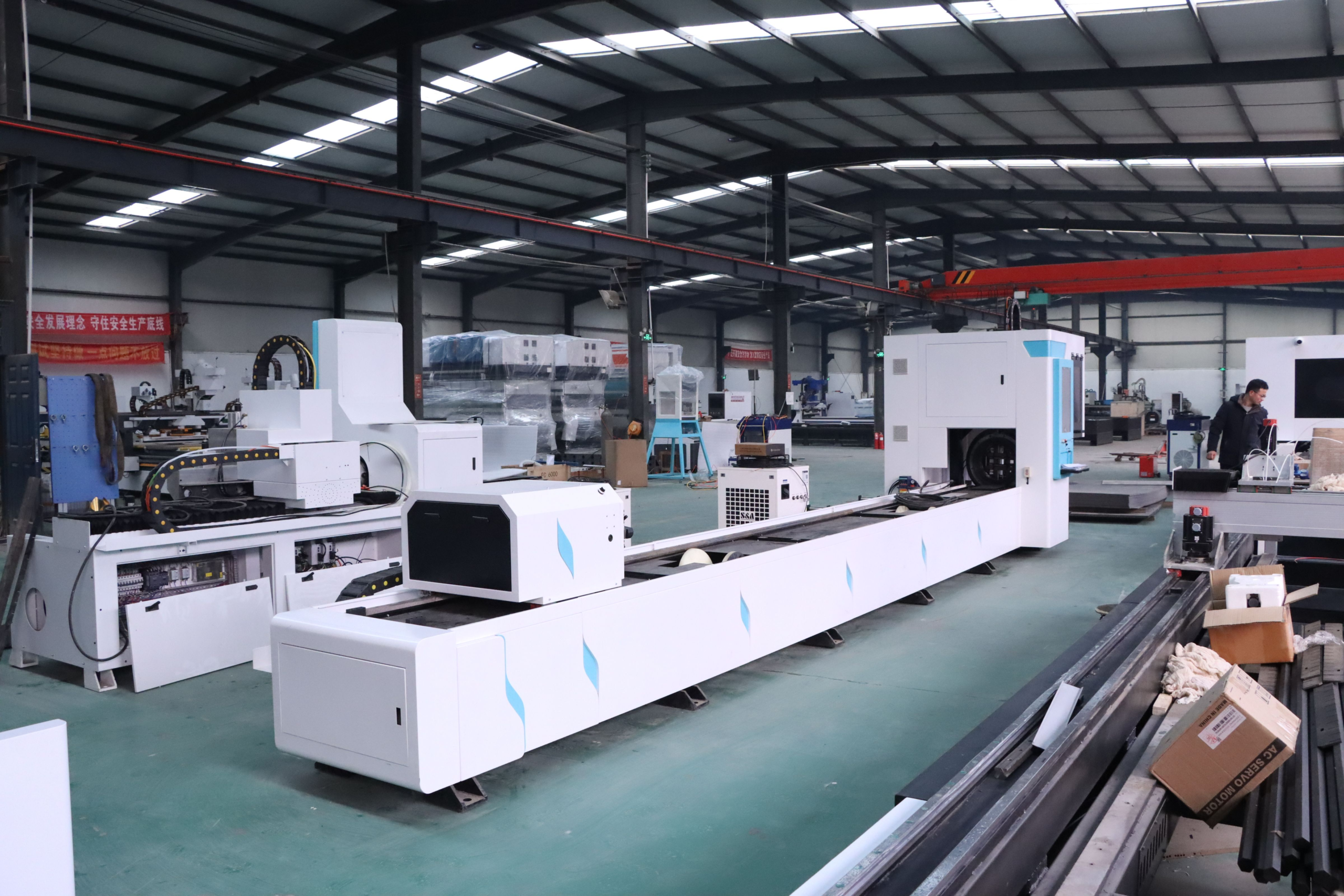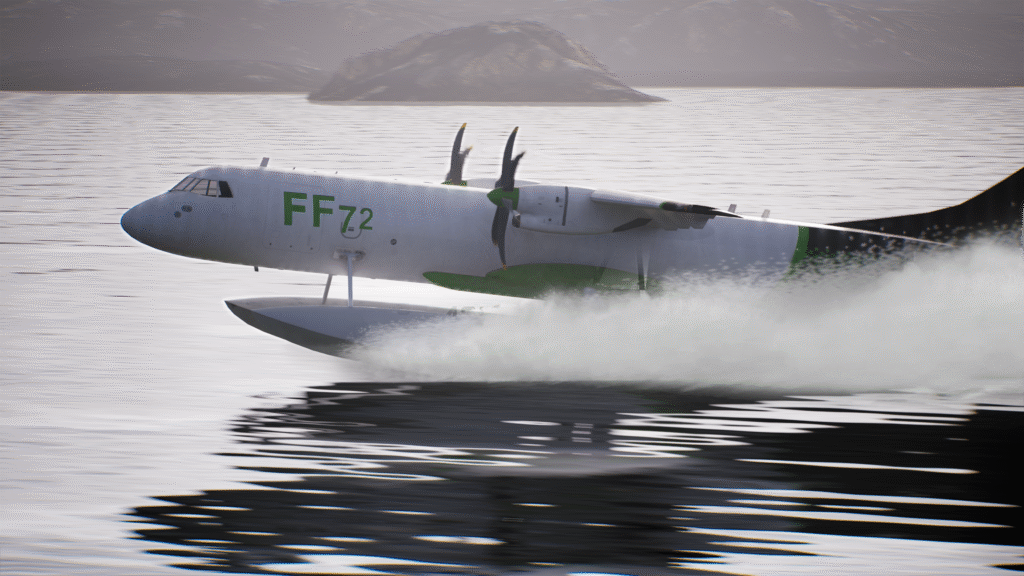
Positive Aviation has outlined €60 million of proposed manufacturing investment in France to industrialise its FF72 amphibious firefighting aircraft, establishing separate facilities for float manufacture in Vannes and aircraft conversion at Toulouse-Blagnac.
The aerospace developer presented the programme on 23 November during the Choose France investment initiative. Its plans allocate €24 million to Vannes and €36 million to Toulouse-Blagnac, with commercial deliveries targeted for 2029 and eventual production of up to 12 aircraft annually.
More than €30 million has already been mobilised from private investors, banks, and public organisations for the wider development programme. The company has not presented this as full financing for the two planned factories.
The Vannes project, known as Float Assembly Serial Tooling for FF72 (FAST72), is being developed with composite engineering specialist Multiplast, part of the Carboman group. It has secured €5 million of support through the Première Usine scheme under France 2030, which supports the establishment of first industrial facilities for emerging technologies.
The proposed facility would be capable of producing 26 floats a year. With two floats required for each aircraft, that capacity would accommodate 12 conversions while leaving two additional units available for replacement stock. Separating the manufacture of these assemblies from the aircraft integration work allows each facility to develop equipment and production schedules around different manufacturing operations.
Positive Aviation is developing its FF72 from existing ATR 72 regional aircraft. The conversion incorporates amphibious floats and water collection and discharge equipment, transforming an established airframe into a platform capable of collecting water during operations on suitable bodies of water.
Retaining an existing aircraft platform provides access to an established engineering, maintenance, and component supply infrastructure, but the conversion introduces structural and operating conditions substantially different from those encountered by a regional passenger aircraft. The floats must support the aircraft during waterborne operation and transfer loads through their attachment structures into the airframe.
Their design also influences aerodynamic drag, aircraft mass, and the distribution of loads during flight and water operations. Manufacture of the float assemblies therefore requires controlled geometry and material properties, with production tooling developed around the dimensions and interfaces established during aircraft engineering.
Dedicated assembly fixtures can provide consistent reference positions for individual structural elements as they are joined. Repeatable positioning is especially important when large assemblies are manufactured at one site and subsequently installed at another, where mating interfaces must align without extensive individual rework.
The FAST72 programme moves float production towards a defined serial manufacturing process rather than the individual assembly methods used during development. Manufacturing documentation, inspection procedures, and tooling must be established alongside the component designs so that subsequent units can be produced and assessed against consistent criteria.
Once manufactured, the floats will need to reach Toulouse-Blagnac in a condition suitable for installation. Their dimensions and structural characteristics will influence transport and handling arrangements, as well as the equipment required to position them during aircraft integration.
Conversion of existing aircraft creates another source of manufacturing variation. Donor airframes may differ in operating history, installed equipment, and maintenance configuration, requiring inspection and configuration assessment before modification. The integration process must accommodate those differences while delivering aircraft that satisfy common design and certification requirements.
An eventual output of one aircraft per month would require coordinated scheduling of donor aircraft, fabricated structures, integration equipment, and specialist labour. Production delays in Vannes could affect the assembly programme in Toulouse, while delays in conversion could leave completed floats occupying inventory and storage capacity.
Positive Aviation’s Toulouse-Blagnac location provides access to an established aerospace engineering ecosystem. The company is already undertaking development work there, and the proposed industrial facility would extend those activities into repeatable conversion and final assembly operations.
Suppliers supporting the programme will need to accommodate the production and inspection requirements associated with aircraft modifications. Precision fabrication, specialist materials, electrical systems, and structural assembly must be coordinated with the engineering configuration of each converted aircraft.
Certification remains a separate requirement from establishing factory capacity. The modified aircraft must undergo the relevant engineering and flight validation, addressing its changed structural loads, aerodynamic characteristics, and operating conditions before commercial service.
The planned 2029 delivery date consequently depends on the development and certification programme progressing alongside investment in the two facilities. The Vannes production target and Toulouse integration capacity establish a proposed industrial architecture for subsequent series production, rather than evidence of aircraft already being manufactured at that rate.