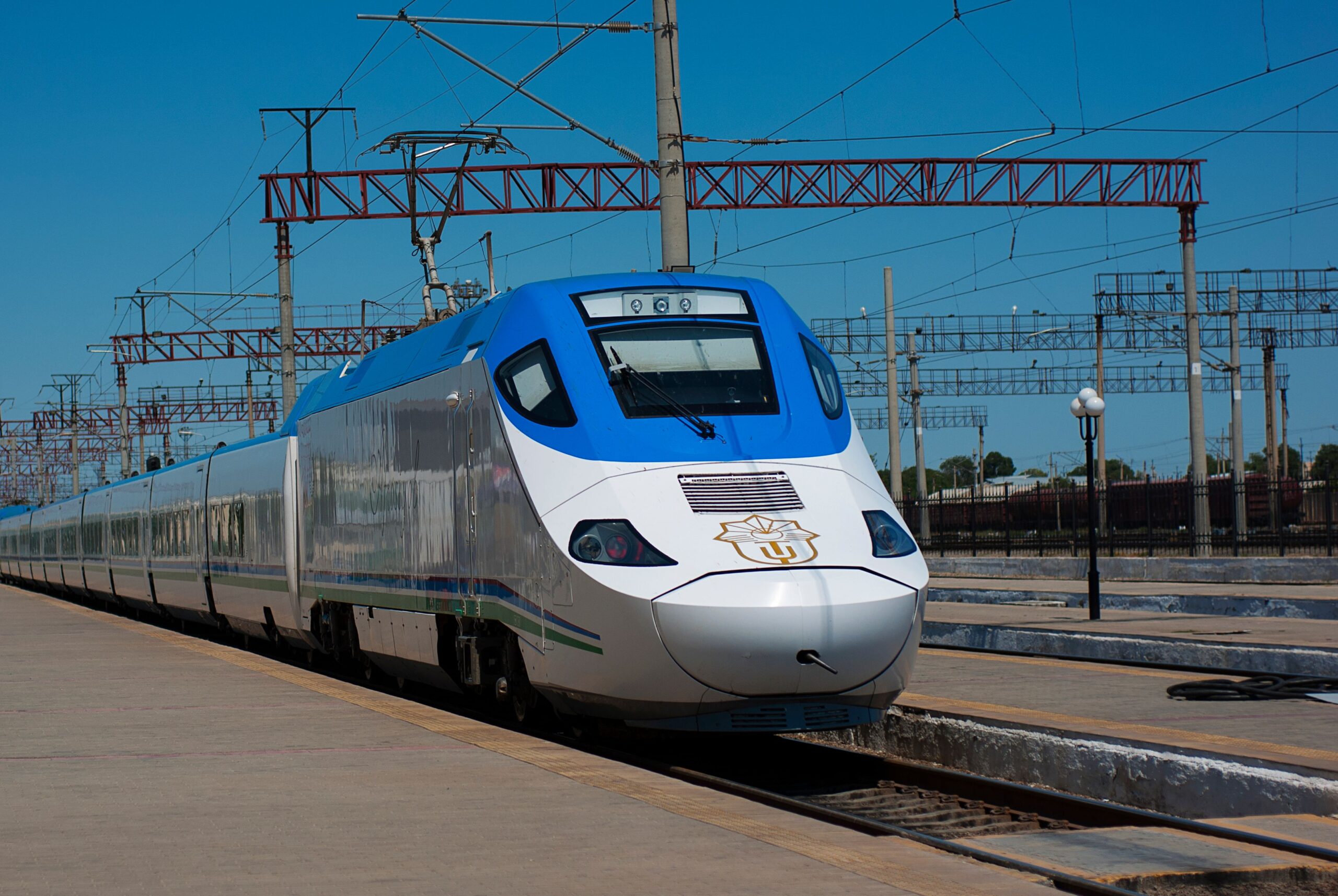
Innomotics has previewed its Motor Integrated Line at SPS in Nuremberg, extending its industrial drive system portfolio with a new motor and drive architecture intended to simplify machinery design and installation. The company specifies an IES5 system efficiency target and plans to introduce the product commercially in 2027.
The preview accompanies a wider exhibition programme covering drive equipment for water and wastewater treatment, marine systems, data centres, and grid applications. Innomotics is also preparing a version of its existing Motor Mounted Line incorporating an induction motor, with market introduction planned for the same year.
The forthcoming integrated system represents a separate development from the established Motor Mounted Line, which combines a permanent magnet motor with a mounted variable speed drive. That existing package already carries an IES5 classification. Innomotics has not yet disclosed the motor type, power range, enclosure ratings, or detailed electrical specifications of the new product.
Separately mounted industrial drives regulate a motor’s electrical supply from an enclosure that may also contain protection, distribution, and control equipment. Connecting the drive to the motor requires cabling and installation work, and machinery builders must accommodate the available enclosure space and cooling requirements. A more closely integrated package changes the location and configuration of these interfaces.
Matching the drive and motor during product development can help coordinate their electrical characteristics. The drive controls the voltage and frequency supplied to the motor according to its speed and torque requirements; the motor converts that electrical input into mechanical output. Losses occur in both pieces of equipment, so specifying a high-efficiency motor alone does not establish the performance of the complete drive system.
The IES classification addresses combined power drive system losses under defined assessment conditions, whereas the familiar IE motor classifications describe the efficiency of individual motors. Innomotics cites IEC 61800-9-2 for the existing Motor Mounted Line. The new product’s IES5 objective should be considered separately from its eventual motor efficiency designation and application-specific performance.
Industrial machinery seldom operates continuously at its rated speed and torque. Pumps, fans, and conveyors may run across different duty points as production requirements change. Evaluating electricity consumption requires an understanding of the load profile and the efficiency of the drive at those operating points, rather than applying a single rated efficiency to every hour of operation.
In a centrifugal pumping installation, the mechanical power required can fall considerably when speed is reduced, depending on the hydraulic characteristics of the system. A variable speed drive can exploit that relationship by matching pump operation to demand instead of maintaining a constant speed and dissipating excess pressure through a throttling valve. Installations with significant static head or minimum flow constraints will behave differently, making individual system assessment essential.
Closer physical integration also affects thermal design. Motors generate heat through electrical and mechanical losses, while power electronics have their own temperature limits. Bringing the drive into close proximity to the motor can reduce installation space but requires a cooling arrangement capable of maintaining acceptable temperatures during the intended operating cycle.
The choice between a separate and integrated drive therefore depends partly on its installation environment. Machinery operating in confined areas, at elevated ambient temperatures, or with particular ingress protection requirements may need equipment with specific thermal and enclosure characteristics. Those details have yet to be published for the Motor Integrated Line.
Service arrangements are another consideration. Separately mounted equipment can allow a drive to be replaced independently of the motor and positioned where maintenance personnel can access it easily. Integrated configurations may reduce external interfaces and installation work, but their component replacement procedures and availability will influence lifecycle costs.
At SPS, Innomotics is also presenting an illustrative comparison between a 7.5 kW IE5 permanent magnet motor drawing 12.8 A and an IE3 induction motor drawing 15 A under the company’s stated comparison. The difference in operating current could influence electrical infrastructure loading, although it is not a measurement of the forthcoming Motor Integrated Line and should not be treated as one.
Electrical engineers sizing cables, switchgear, and protection equipment must also account for starting behaviour, fault conditions, ambient temperatures, and installation methods. Lower running current alone does not establish that every upstream component can be reduced in size.
The company’s 2027 commercial launch will provide machinery builders with the additional specifications needed to compare the integrated architecture with separate and motor-mounted alternatives. Its suitability for individual applications will depend on the electrical, mechanical, thermal, and service characteristics of the eventual product as well as its intended system efficiency classification.