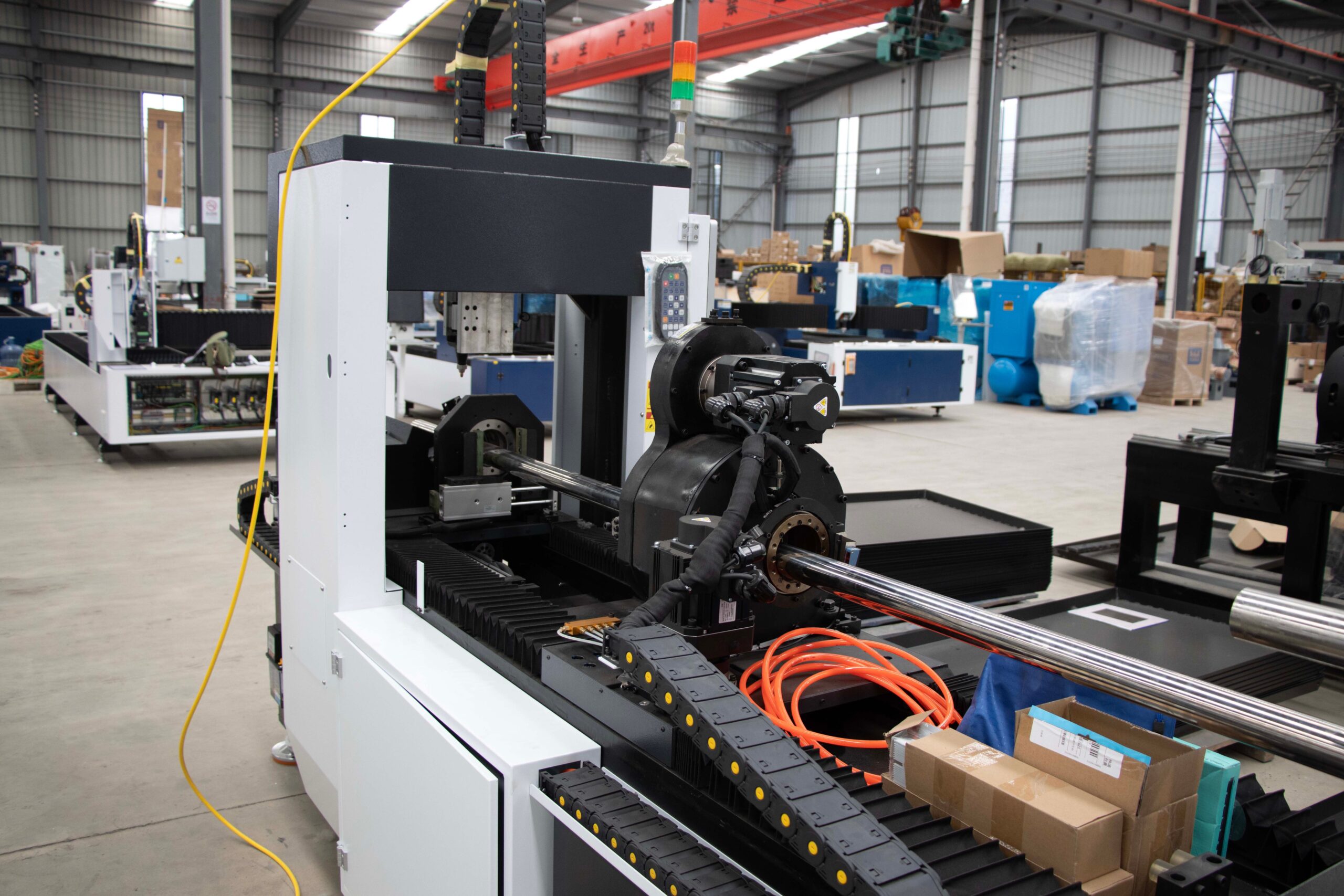
Schneider Electric is expanding its cooling equipment manufacturing operations in Conselve, Italy, doubling production capacity for coolant distribution units (CDUs) and increasing its large chiller manufacturing capacity to support demand from high-density European data centres.
The expanded CDU manufacturing capacity is scheduled to become available in January 2027, while capacity for large chiller production will increase by 50% before the end of 2026.
Schneider Electric is also developing a cooling equipment testing laboratory at the facility, with completion scheduled for December 2027. The laboratory will triple the site’s existing testing capacity, supporting the development and validation of increasingly powerful thermal management systems.
The investment follows Schneider Electric’s acquisition of a controlling interest in liquid cooling specialist Motivair in February 2025, extending its thermal management capabilities across equipment used within computing installations and the infrastructure responsible for removing heat from data centre facilities.
Increasing electrical power consumption within computing racks has created demand for cooling systems capable of transporting substantially greater quantities of heat than conventional air distribution arrangements can accommodate efficiently in some installations.
Liquid cooling uses circulating fluid to transfer thermal energy from computing equipment, taking advantage of the greater volumetric heat capacity of suitable liquids compared with air.
In direct-to-chip applications, cold plates mounted on processors and other heat-generating components transfer thermal energy into coolant circulating through internal channels. The heated fluid returns through a distribution network to equipment responsible for transferring that energy into the facility’s wider cooling infrastructure.
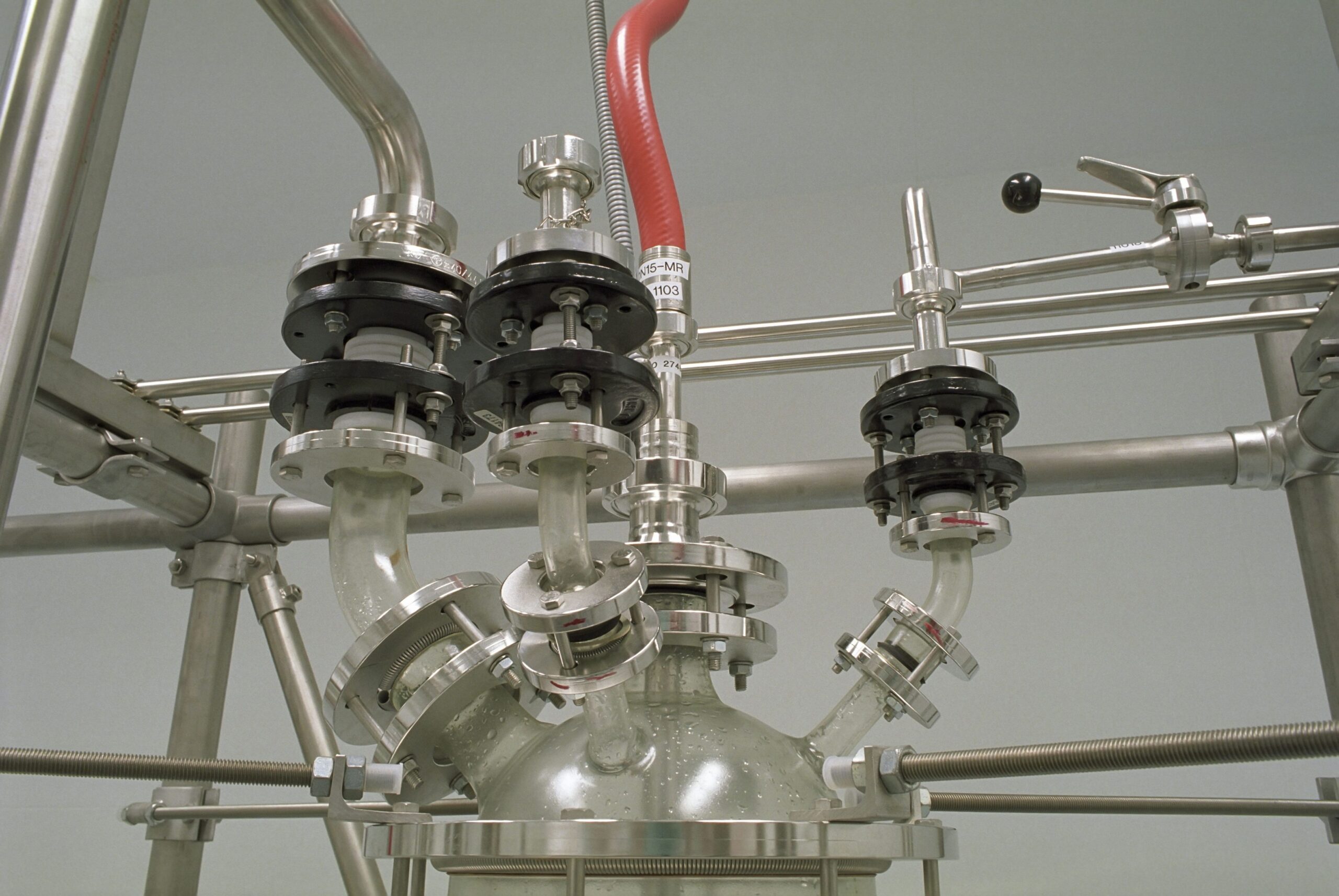
Coolant distribution units provide an interface between these systems. A typical liquid-to-liquid CDU uses a heat exchanger to transfer energy from the technology cooling circuit into the facility water circuit while maintaining separation between the fluids.
Maintaining separate circuits allows their operating pressures, flow rates, and fluid characteristics to be managed independently. Computing equipment can require tighter control of coolant cleanliness and chemistry than the distribution infrastructure serving the wider building.
A CDU incorporates equipment such as pumps, filters, valves, sensors, and control systems to establish the operating conditions required within the technology cooling circuit.
The thermal energy transferred depends on the mass flow rate of the coolant, its specific heat capacity, and the temperature difference across the relevant section of the circuit.
Increasing cooling capacity without a corresponding increase in temperature difference generally requires greater coolant flow or changes to the thermal characteristics of the system. Larger heat exchangers, pipework, and pumping equipment may be necessary to accommodate those requirements.
Engineers must also account for the electrical energy consumed by the cooling infrastructure. Increasing flow through pipes and heat exchangers can increase pressure losses, requiring additional pumping power and affecting the overall efficiency of the installation.
Schneider Electric’s existing Motivair product range illustrates the scale at which this equipment is being developed. Its WCDU, introduced earlier this year, offers cooling capacity of up to 3.5MW and supports integration with air cooling systems in hybrid data centre architectures.
Such configurations allow facilities to accommodate computing equipment with different cooling requirements while managing the heat that continues to enter the surrounding air even where processors are cooled directly by liquid.
Large chillers serve a related function within architectures requiring mechanical refrigeration. Their operating requirements depend on the temperature at which cooling water must be supplied and the environmental conditions under which heat is ultimately rejected.
Where the required cooling water temperature and external conditions permit, alternative heat rejection methods can reduce dependence on mechanical refrigeration. Equipment selection therefore influences both the capital requirements and operating energy consumption of the completed facility.
Schneider Electric’s planned laboratory at Conselve will be capable of validating chillers rated at up to 4MW, Motivair CDUs rated at up to 5MW, and computer room air handlers and fan wall systems rated at up to 800kW.
Testing equipment at these capacities requires infrastructure capable of generating and controlling substantial thermal loads, alongside the electrical supplies and fluid distribution systems necessary to reproduce specified operating conditions.
Engineers can assess cooling capacity, pressure losses, electrical consumption, and control response as the equipment operates under different loads and supply conditions.
Testing resources are consequently an important component of manufacturing capacity. Increasing assembly output without providing sufficient equipment validation infrastructure could constrain the rate at which completed systems become available to customers.
Additional European production capability will also bring manufacturing and testing closer to regional data centre development programmes, where the delivery and installation of large thermal management systems must be coordinated with wider electrical and mechanical infrastructure.
Schneider Electric has outlined the expansion in terms of available manufacturing and testing capacity rather than confirmed increases in equipment shipments.
The first capacity increase is scheduled before the end of 2026, followed by doubled CDU manufacturing capacity from January 2027 and completion of the additional testing laboratory in December 2027.