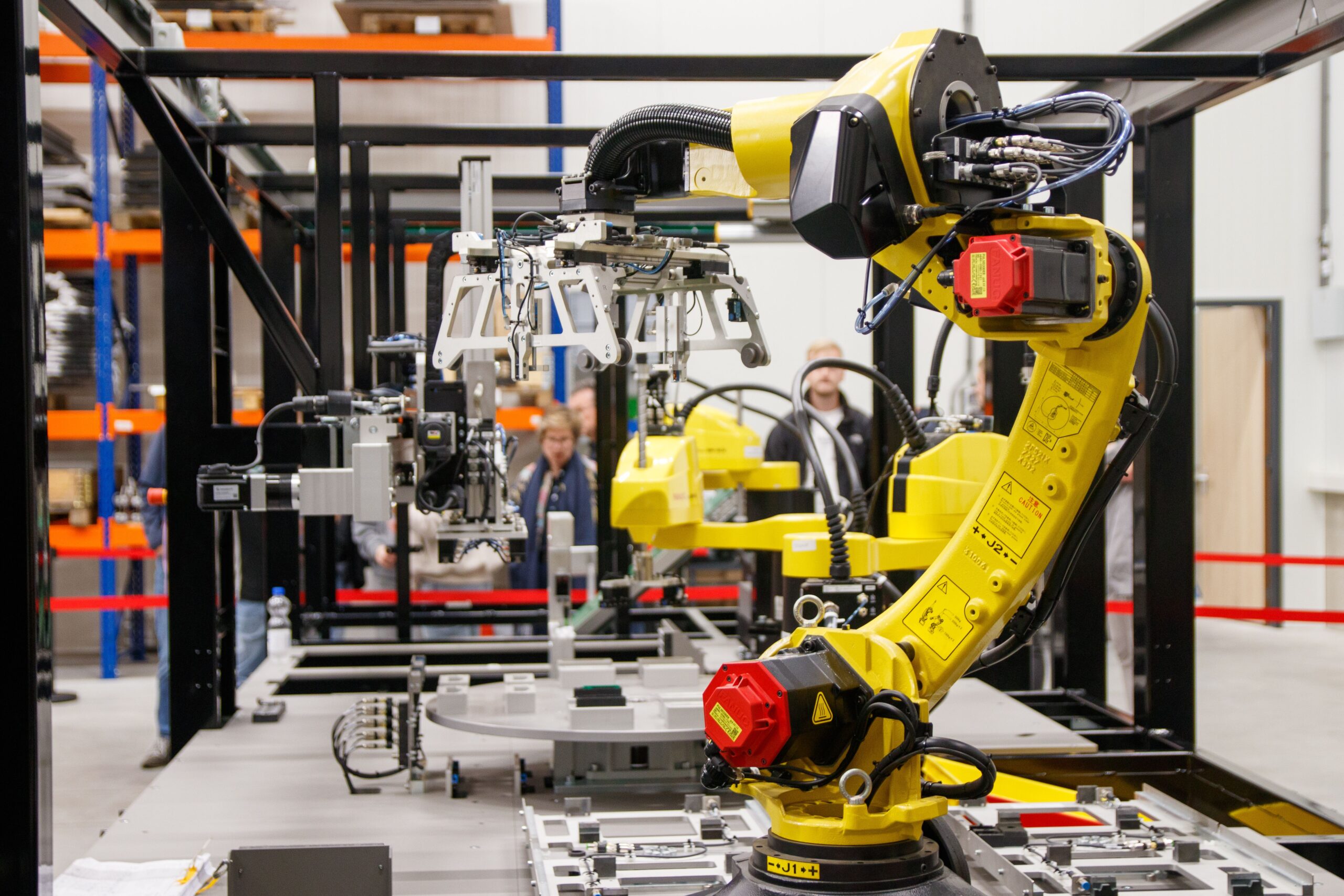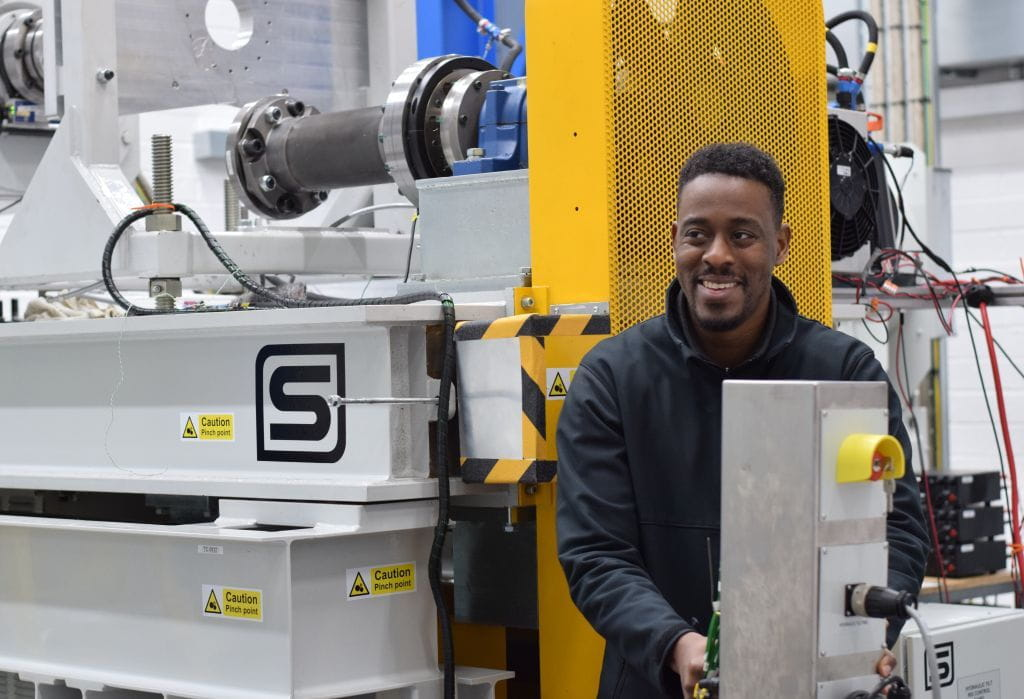
Made Smarter South East is helping manufacturers adopt artificial intelligence, automation, and digital tools through a funded Digital Internship programme designed for SME production environments.
The programme connects manufacturers with university students and graduates for placements built around live industrial projects. It gives smaller companies access to digital capability without forcing an immediate leap into larger recruitment, consultancy, or capital investment commitments.
Projects completed or underway include AI-powered customer tools, workflow automation, ERP implementation, systems integration, and digital design development. Five internships have already been completed, while a further 12 opportunities are being delivered or recruited.
The internships form part of Made Smarter South East’s wider support package, which includes digital roadmaps, leadership training, workforce development, and match-funded grants of up to £20,000. The structure is intended to help companies move from broad interest in digital tools towards defined projects with practical operational value.
Many SME manufacturers already understand where digital systems could improve their business, yet they often lack the internal capacity to scope and deliver change. Senior staff are absorbed by production, customer delivery, quality demands, and day-to-day firefighting, leaving promising automation or data projects parked until a clearer route appears. A focused placement can help turn those loose ideas into process maps, prototypes, integration plans, and evidence for investment.
An intern will not replace an experienced controls engineer, ERP consultant, or systems architect, but that is not the purpose of the model. The value lies in targeted progress: cleaning data, documenting workflows, building small tools, comparing software options, or helping management teams understand where the operational blockages actually sit. In smaller factories, that early definition can prevent digital projects from becoming either over-specified or abandoned.
Digital adoption also depends on workforce confidence. AI, automation, and integrated systems can improve scheduling, quoting, maintenance, quality monitoring, and customer communication, but they can also unsettle teams when introduced without clear explanation. Internships create a bridge between technical experimentation and shopfloor reality, especially where projects involve operators, production managers, and administrative teams who will need to use the tools daily.
The skills dimension is just as important as the technology. Manufacturers are competing for digital talent against sectors with stronger salary pull and more familiar career pathways. Placements expose students and graduates to real industrial constraints, where legacy equipment, process variation, customer deadlines, and safety considerations shape every digital decision. That experience can help make manufacturing a more credible destination for software, data, and automation skills.
Industrial connectivity work elsewhere in the UK reinforces the need to test technology under realistic factory conditions. The National Manufacturing Institute Scotland’s private 5G manufacturing trial showed how digital infrastructure has to be proven against production environments rather than assumed from laboratory performance. Made Smarter’s internships operate at a smaller scale, but they address the same discipline: technology must be shaped around the factory, not imposed on it.
AI adoption will make that discipline more important. Manufacturers are already exploring AI tools for customer service, production planning, document handling, predictive maintenance, and quality analysis. Those tools depend on usable data, understood processes, and sensible boundaries around decision-making. A modest, well-defined project can be more valuable than an ambitious deployment built on poor information.
The South East programme gives SME manufacturers a more accessible route into digital transformation while strengthening the pipeline of practical industrial digital skills. It will not remove the need for leadership, investment, or long term workforce development, but it can reduce the early friction that stops useful projects getting started. In a sector where productivity gains are often lost in the gap between intention and implementation, that is a practical intervention.