
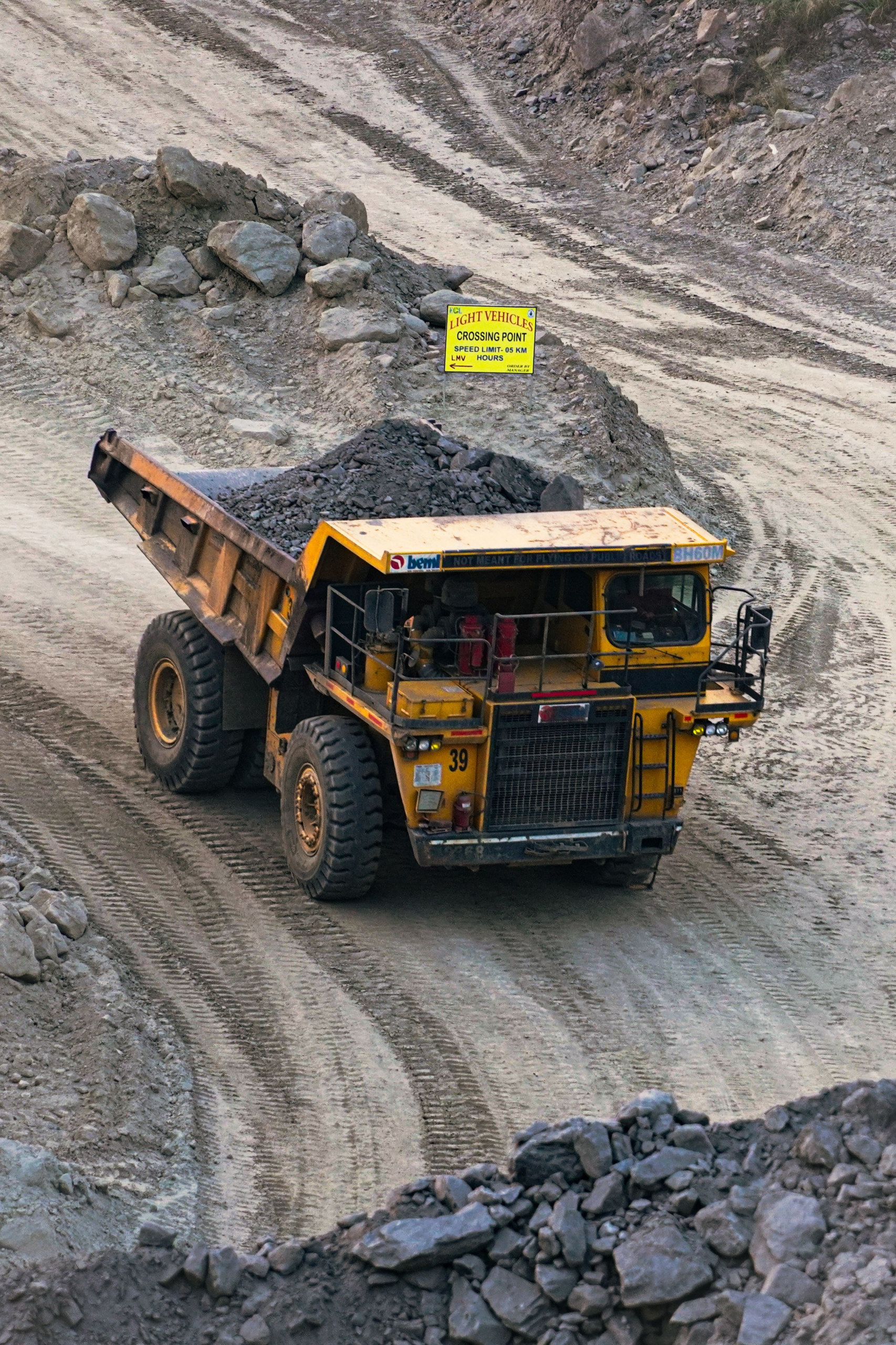
Lingong Heavy Machinery (LGMG) has demonstrated electric mining trucks operating with charging infrastructure, solar generation, battery storage and fleet dispatch software at an active mine in Ordos, Inner Mongolia. The demonstration formed part of its inaugural Global Mining Customer Service Festival, held from 9 to 11 October 2026 and attended by more than 500 representatives of mining companies, suppliers, industry organisations and the media.
The demonstration brought vehicle and electrical systems together under a central energy management platform. LGMG says the platform coordinates power distribution, charging activity and truck dispatch, allowing vehicle assignments to be considered alongside the energy needed to return trucks to service. Photovoltaic generation and stationary storage are part of the arrangement, although the company has not specified the storage capacity or the number of trucks charging simultaneously.
Separate manufacturer tests provided the charging figures presented with the demonstration. LGMG reports that one of its electric mining trucks can charge from 20 to 90 per cent in 23 minutes under test conditions. It also reports nearly 800kWh delivered in 18 minutes in an extreme-condition test, reaching approximately 3.6MW peak charging power. The amount of energy transferred during a session differs from the highest power reached, and the published figures do not establish a sustained charging rate for the whole interval.
The truck uses what LGMG describes as a 3C charging architecture, a high-density battery pack and thermal management engineered for ambient temperatures from -30°C to 50°C. A C-rate describes charging current relative to rated battery capacity, while thermal control helps manage the heat generated as high currents pass through the cells. The stated temperature range is a design specification rather than evidence that the same charging time applies at every mine or state of charge.
At an operating mine, the charging schedule must be coordinated with haulage assignments and the capacity of the electrical supply. The Ordos demonstration showed the relevant equipment working together, but LGMG has not published comparative figures for mine output, charger utilisation or energy supplied by the solar and storage systems.
The event also introduced LGMG’s Global Excellent Service Brand 2.0 programme, covering spare parts, maintenance, intelligent mining operations and remanufacturing. LGMG had already promoted electric and autonomous mining vehicles; the Ordos event showed those machines operating alongside shared energy infrastructure.

