Infineon Technologies and Skeleton Technologies have signed a memorandum of understanding to develop power architectures for AI data centres, targeting two increasingly difficult parts of the electricity chain: conversion from medium-voltage AC to high-voltage DC and short-duration support for rapidly changing compute loads. The companies plan to combine Infineon’s silicon carbide and gallium nitride power semiconductors with Skeleton’s power conversion and supercapacitor technologies.
The first strand centres on next-generation solid-state transformers, or SSTs, for medium-voltage AC to high-voltage DC conversion. Conventional data-centre power systems employ several conversion stages between the utility connection and server hardware, with each stage adding equipment, losses, heat, control requirements, and physical space. Suppliers serving AI facilities are increasingly examining architectures that consolidate those stages while retaining isolation, protection, controllability, and maintainability.
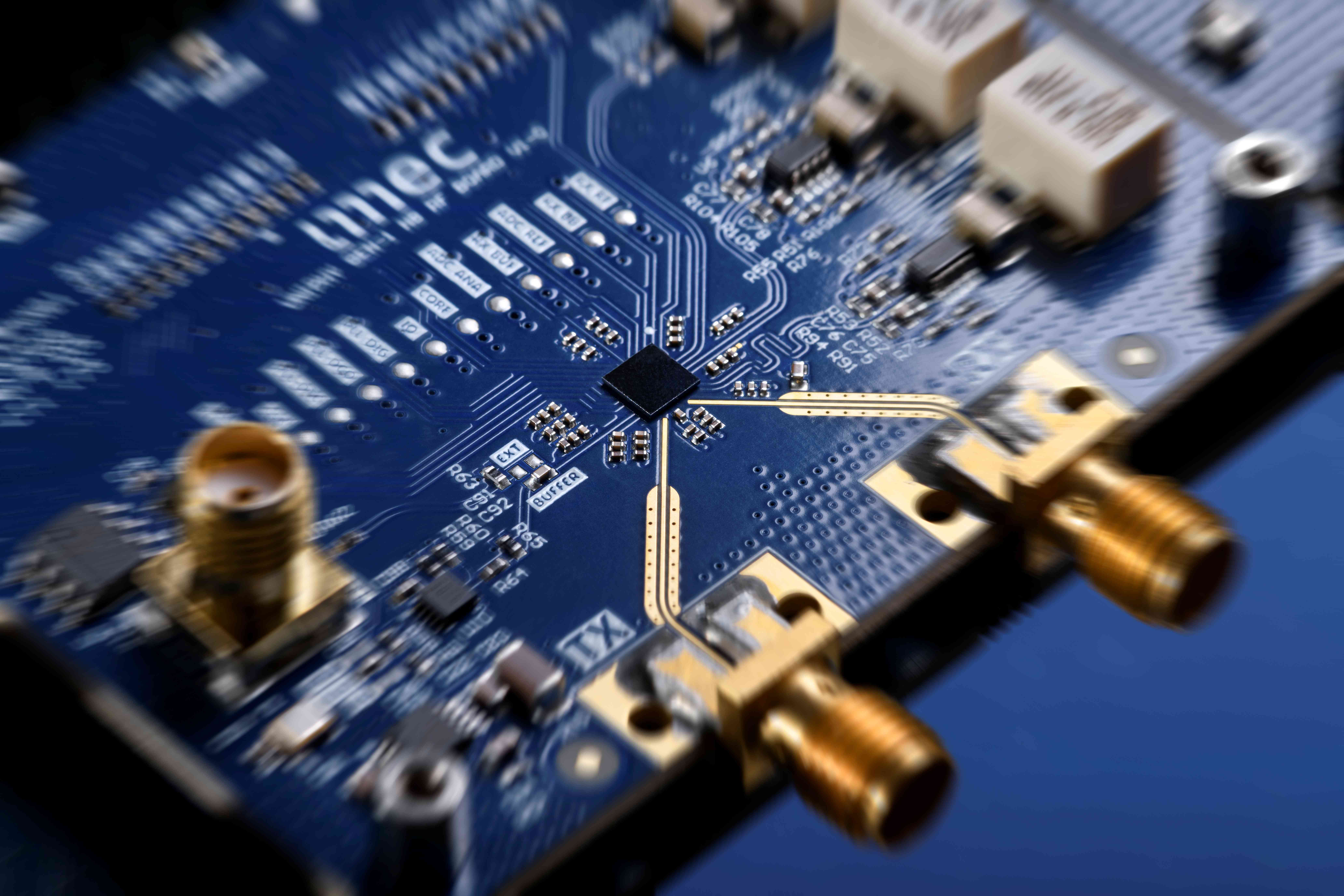
Infineon and Skeleton intend to combine high-voltage CoolSiC power semiconductors with Skeleton’s experience in conversion systems and high-power energy storage. Silicon carbide is increasingly used in higher-voltage switching applications because it can support high efficiency and switching performance where conventional silicon devices become less attractive. The collaboration is intended to apply those characteristics further upstream in the data-centre power chain rather than limiting semiconductor improvements to individual server power supplies.
The second area is peak shaving. GPU infrastructure can create rapidly varying electrical loads as processors switch between periods of intensive computation and lower activity. Those transitions propagate through converters and distribution systems, forcing upstream equipment to accommodate sharp changes in power demand. Infineon and Skeleton plan to combine CoolGaN devices with supercapacitor storage in high-power sidecar systems capable of responding quickly to those load changes.
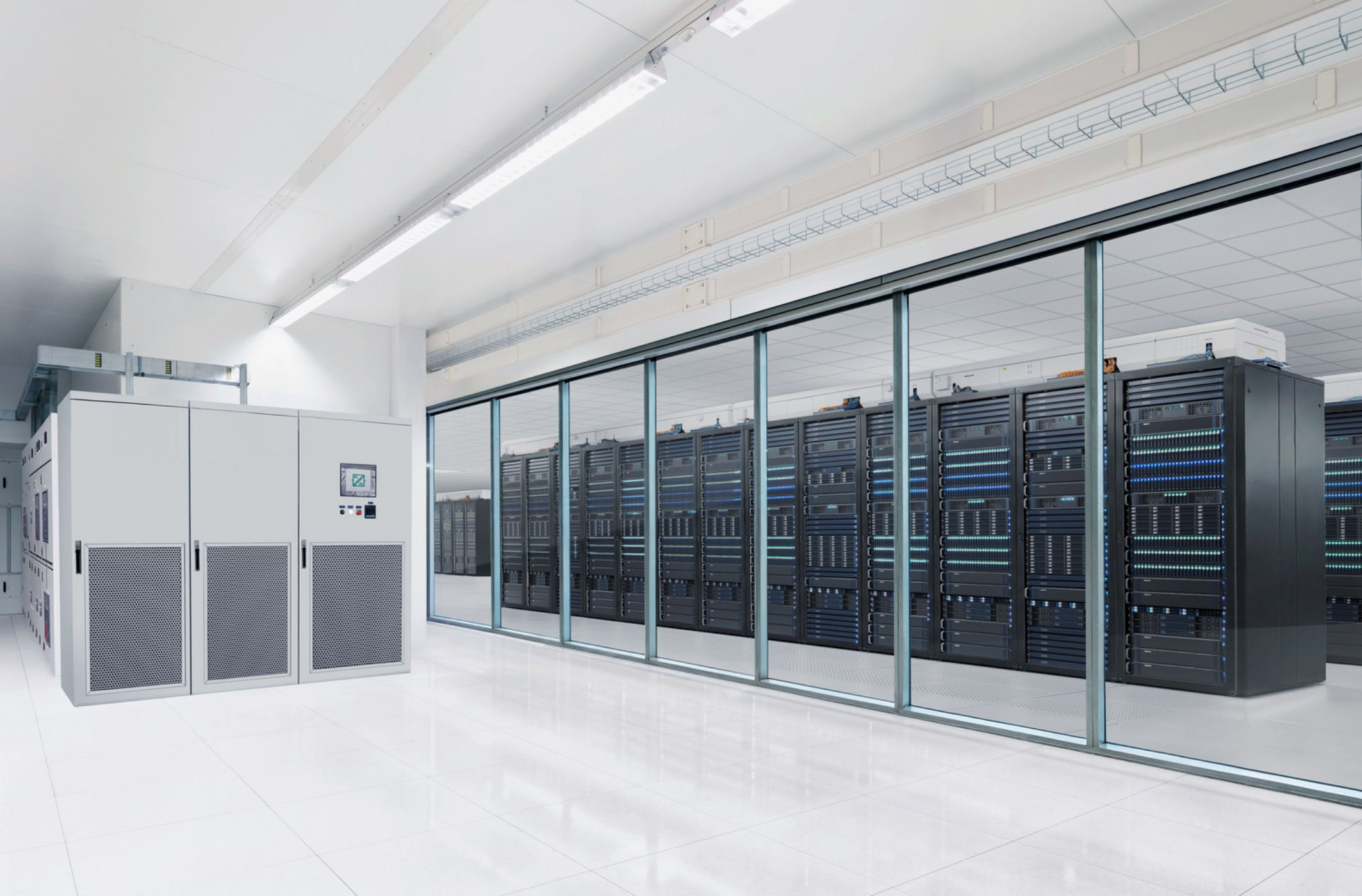
Sidecars are becoming increasingly relevant because power hardware is competing directly with computing equipment for physical space. Moving parts of the conversion and energy-storage system out of the compute rack can release room for processors and improve thermal design, but it also changes cabling, electrical distribution, protection, maintenance access, and floor layout. Raising rack power density therefore requires engineering across the facility rather than simply installing a higher-rated converter.
Skeleton’s contribution is based on supercapacitors optimised for rapid charge and discharge and very high power rather than long-duration energy storage. In a data-centre application, that gives the technology a potential role in absorbing short load changes or supplying bursts of power without requiring the storage system to carry the energy capacity associated with longer backup periods. The objective is to prevent every rapid GPU demand change from being passed unmodified into the wider electrical system.
Infineon is simultaneously pushing towards higher-voltage DC distribution for future AI systems. As rack loads increase, retaining lower-voltage distribution would require progressively larger currents, driving conductor size, losses, heat, and connection requirements upwards. Higher-voltage distribution reduces current for the same amount of power, but creates more demanding requirements around insulation, protection, converter design, hot-swap functionality, and maintenance.
The company has already been developing silicon carbide and gallium nitride devices around those emerging architectures, so the Skeleton memorandum is not its first move into high-density AI power. The new element is the combination of those devices with high-power energy storage and system expertise across a larger portion of the grid-to-core chain. Whether that produces a commercially useful architecture will depend on efficiency, fault behaviour, response time, footprint, qualification, and cost rather than semiconductor specifications considered in isolation.
Infineon executive Andreas Weisl said the increasing power density of modern data centres requires new approaches to conversion, distribution, and storage. Skeleton chief executive Taavi Madiberk identified physical footprint as another constraint, arguing that denser GPU infrastructure cannot be accompanied indefinitely by equally rapid growth in the space occupied by its power system.
That constraint is particularly important as developers plan facilities around large AI clusters. Power availability at grid level is already affecting site selection, while the equipment inside the site must convert and distribute that electricity efficiently enough to avoid turning additional compute capacity into disproportionate heat and electrical overhead. Improving conversion losses by small percentages becomes material once the underlying load is measured in hundreds of megawatts.
The memorandum remains a development agreement rather than a production contract or deployment announcement. The companies say they will explore and develop architectures across the AI data-centre power chain, but they have not disclosed product specifications, customer programmes, qualification schedules, or commercial availability. Those will be necessary before the technical promise can be assessed against operating systems.
The engineering direction is nevertheless significant. AI infrastructure is forcing semiconductor, energy-storage, server, and electrical-equipment suppliers to reconsider power architectures that evolved around much lower rack densities. SSTs could alter the conversion path from the incoming supply, while fast sidecar storage could isolate the upstream network from some of the most aggressive load changes closer to the GPUs.
Software may be responsible for the demand, but there is little virtual about the constraint. More AI compute requires cables, converters, cooling systems, switchgear, storage, and semiconductors capable of handling a power profile conventional data centres were not designed to support. Infineon and Skeleton now have to show that their proposed architecture can make that chain smaller and more efficient without making it more fragile.