Incap has appointed Adam Ryder as managing director of Incap Electronics UK, giving him responsibility for UK operations, production, customer delivery, and overall business performance.
Ryder took up the role on 17 June 2026 and will also join Incap’s extended management team. He has been with Incap UK, formerly AWS Electronics, since 2005, holding roles across quality, account management, commercial functions, and operations. His appointment gives the UK business continuity at senior level while placing an experienced site leader in charge of production execution.
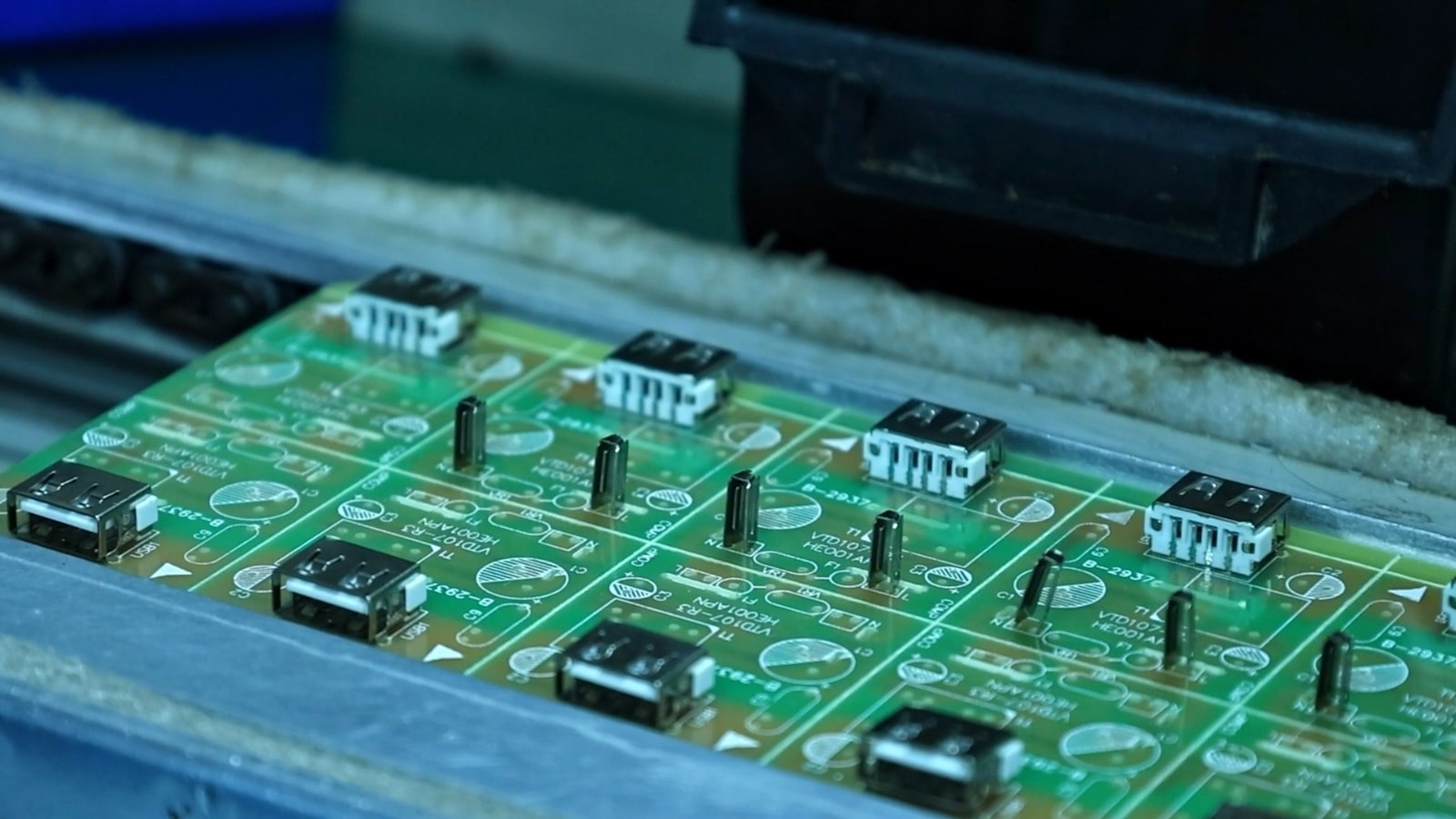
Incap Electronics UK provides electronics manufacturing services from Newcastle-under-Lyme, supporting printed circuit board assemblies, cable and wire harnesses, electromechanical assemblies, box build, system integration, and maintenance, repair, and overhaul activity. The site serves defence, aerospace, medical, industrial, and security customers, where production quality and delivery reliability are closely tied to long-term approval.
European electronics manufacturing services providers are being pulled in two directions. Customers want resilience, regional supply, controlled quality systems, and support for regulated products through changing demand. EMS providers must manage component availability, margin pressure, labour constraints, and competition from larger international networks.
Ryder’s background across quality, commercial work, and operations gives the appointment operational depth. EMS leadership now depends on the whole operating system rather than production capacity alone. Quote discipline, design for manufacture feedback, procurement risk, change control, inspection records, delivery performance, and escalation handling all influence customer confidence.
Defence and medical demand are reshaping the sector. European defence programmes are increasing the need for rugged electronics, control systems, power management, cable assemblies, and box build integration. Medical and industrial customers demand traceability, lifecycle support, and production flexibility. Those requirements suit EMS providers with strong quality systems, while adding pressure on engineering, documentation, and supply planning teams.
Across Europe, EMS groups are also refining production footprints and integrating acquired capacity, with Cicor’s restructuring of its manufacturing network showing how electronics suppliers are seeking scale, efficiency, and sector focus while supporting defence and medical work. Incap’s UK appointment sits within that same operating climate, where local capability has to translate into dependable production and customer value.
UK electronics manufacturing carries its own set of pressures. Domestic capability is valued by customers working in sensitive, high reliability, or lower volume industrial sectors, but local production has to justify itself through shorter communication loops, engineering support, customer access, controlled quality systems, and reduced logistics complexity.
Incap’s UK site will be judged by that practical performance. EMS customers do not only buy assembly capacity. They need suppliers able to manage demand changes, component substitutions, documentation requirements, and quality risks without making the customer’s own operation harder to run.
Internal progression can be particularly valuable in specialist manufacturing. Ryder’s long tenure brings site knowledge, customer understanding, and familiarity with the former AWS Electronics operation as part of Incap’s wider group. In a sector where experienced manufacturing leadership is difficult to replace quickly, continuity can become an operational advantage.
Industrial equipment, vehicles, medical devices, defence systems, energy infrastructure, and automation platforms all contain more embedded electronics than previous generations. Incap’s UK operation sits inside that shift. The leadership change is a management appointment, but its value will be measured in output stability, customer confidence, and the site’s ability to support sectors where failure, delay, or uncontrolled change carries serious cost.