Hitachi Energy is investing $300 million in China to expand manufacturing of power transformers and critical transformer components, including a new power-transformer factory, an ultra-high-voltage bushing facility, and a digital production line for tap changers. The programme forms part of the company’s $9 billion global investment plan as electricity demand and grid construction place growing pressure on equipment supply.
The expansion is centred on Hefei in Anhui Province, where Hitachi Energy already manufactures transformer equipment. The company says the additional capacity will serve both Chinese and global demand, strengthening the wider transformer value chain rather than adding a single product line for the domestic market.
Power transformers have become one of the more visible constraints in grid expansion because new generation and large electrical loads cannot be connected simply by building more cables. Voltage has to be transformed between transmission, distribution, and customer systems, and the equipment involved is large, engineered to order, material-intensive, and slow to manufacture compared with many of the projects waiting to use it.
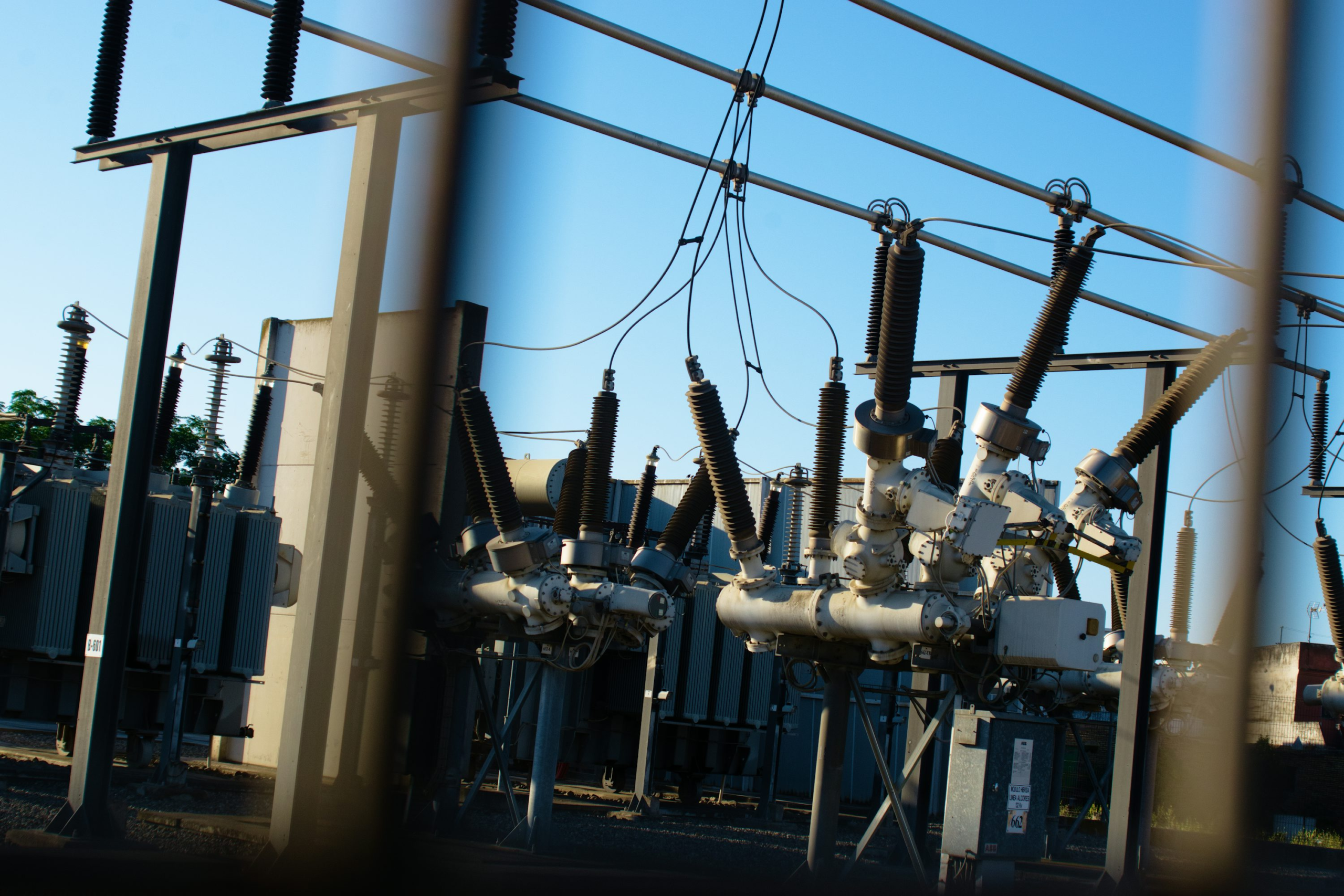
The component investments are therefore as relevant as the new transformer factory. Bushings provide the insulated electrical path through which high-voltage conductors pass into transformer tanks and other equipment, while tap changers alter transformer ratios so network voltage can be controlled as loading conditions change. Both require specialised manufacturing, materials, testing, and qualification, and shortages can delay a finished transformer even when its main tank and windings are ready.
Hitachi Energy’s own published delivery data illustrate the pressure across the component market. Standard lead times for some bushing and tap-changer products run into many weeks, while certain customised or high-voltage designs can take considerably longer. Expanding component production alongside complete transformers reduces the risk that new final-assembly capacity simply moves the bottleneck to another part of the manufacturing chain.
Large power transformers combine electrical steel, copper or aluminium conductors, insulation, bushings, tap changers, cooling equipment, fabricated tanks, precision winding, drying, oil processing, and extensive factory testing. Many units are engineered around individual network requirements, so adding capacity involves more than increasing floor space. Skilled labour, winding machines, drying ovens, test halls, material supply, and quality systems all have to expand together.
Hitachi Energy has been investing across that chain for several years. In 2024 it announced $1.5 billion specifically for global transformer production as part of a broader capital programme, followed by further investments in North America, Europe, Asia, and South America. The current $9 billion plan spans manufacturing, engineering, research and development, digital capability, and partnerships.
China is an important part of that network. Hitachi Energy operates 11 manufacturing sites in the country and has more than four decades of local presence, giving the Hefei programme an established supplier, engineering, and workforce base. The new ultra-high-voltage bushing facility also sits within a market that has extensive experience of UHV transmission equipment and long-distance bulk-power transfer.
Demand is being driven by several changes at once. Renewable generation requires new connections and transmission capacity; industrial electrification shifts processes towards larger electrical loads; transport adds charging and traction requirements; and data centres are creating concentrated demand that can require new substations and upstream reinforcement. AI-related computing has intensified that trend because data-centre projects can move from investment decision to required electrical capacity faster than traditional grid assets can be manufactured.
The resulting constraint is industrial rather than theoretical. A utility can approve a substation or transmission project but still wait for transformers, switchgear, cables, protection equipment, and other long-lead hardware. Manufacturers can respond by adding factories, but those facilities then need equipment, qualified suppliers, trained staff, and test capacity before lead times actually begin to improve.
Hitachi Energy’s decision to expand bushings and tap changers alongside complete transformers reflects that reality. The company is also a component supplier to other transformer manufacturers, so additional output can support equipment beyond Hitachi Energy’s own final-assembly plants. That gives the investment a wider effect than a conventional captive component line.
Supply-chain resilience is another part of the programme. Spreading transformer and component capacity across several regions gives the manufacturer more options when local demand surges, shipping routes are disrupted, or a supplier becomes constrained. It does not eliminate dependence on specialised electrical steel, copper, insulation systems, and other inputs, but it reduces the risk that one factory becomes the sole answer to a global order book.
The $300 million commitment now has to be converted into qualified production. Buildings must be completed, equipment installed, processes validated, suppliers aligned, and high-voltage test capability commissioned before additional units reach customers. Transformer shortages have made factory investment easier to announce; shortening delivery schedules without compromising quality is the harder part.
With power demand rising across grids, industry, transport, and digital infrastructure, the transformer has moved from background hardware to a strategic manufacturing constraint. Hitachi Energy’s Hefei expansion addresses both the large finished equipment and two of the smaller components that can hold it up, which is a more useful response than simply adding another assembly bay and discovering the bottleneck has moved.