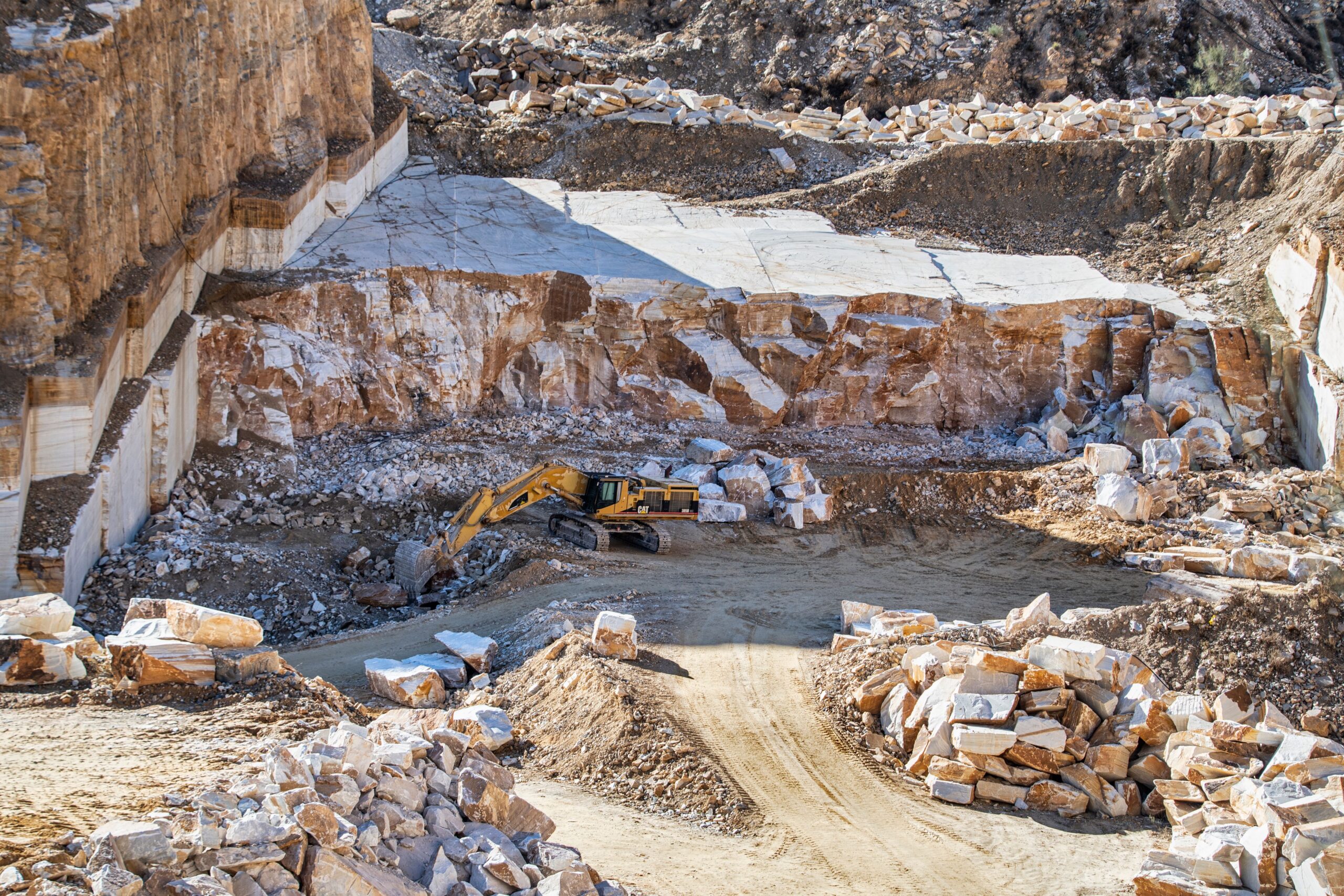
Hillhouse Group has opened a £5 million asphalt production plant at Soutra Mains Quarry in Midlothian, extending its manufacturing operations into the east of Scotland. Trading as Edinburgh Asphalt, the facility began producing material in October and is equipped to supply major infrastructure works alongside smaller surfacing, maintenance and reinstatement projects.
The plant incorporates an Ammann ABA UniBatch 210 system with a stated working output of 160–180 tonnes per hour. Equipment includes a 3.3-tonne batch mixer, two 50-tonne hot storage bins, a recycled material pre-feeder and a loading chute designed for hot boxes and smaller collection vehicles.
Hillhouse has manufactured asphalt in Scotland for decades, but the opening establishes its first production facility serving the eastern market directly. The new operation joins its existing sites at Troon, Glasgow and Alloa and expands the construction materials activities already undertaken at Soutra Mains, where the group produces aggregates, ready-mixed concrete and concrete blocks.
The location provides access to markets in Edinburgh, Midlothian, the Lothians and Scottish Borders. Producing asphalt closer to these areas can reduce the distance material needs to travel from the manufacturing plant to a construction site, although actual delivery performance will depend on road conditions, order scheduling and available transport capacity.
Asphalt production begins with the preparation and proportioning of aggregate. Individual sizes and grades are supplied through controlled feed equipment before entering a dryer, where moisture is removed and the material is heated. The quantity of energy required at this stage is affected by the moisture content of incoming aggregate as well as the temperature needed for the selected mixture.
Heated materials are then combined with bitumen and mineral filler in the mixing tower. The Ammann system uses batch production, allowing the operator to set quantities for individual mixtures rather than maintaining a single, continuously produced formulation. This supports changes between products specified for different road and construction applications.
Control of the constituent materials is central to the performance of the finished asphalt. Aggregate grading influences the structure of the mixture, while binder content and temperature affect how the material behaves during handling, laying and compaction. Inconsistent inputs can lead to differences between batches, making controlled proportioning and process monitoring important parts of production.
The 3.3-tonne mixer provides a defined batch capacity, while the plant’s working output indicates the rate it is designed to achieve under suitable operating conditions. These figures describe different characteristics of the equipment. Actual hourly production will vary according to the mixture being manufactured, the condition of incoming materials and the time needed for associated operations.
Finished asphalt can be transferred into two insulated hot storage bins, providing a combined nominal storage capacity of 100 tonnes. The bins separate part of the mixing operation from vehicle loading, allowing material to be held ready for dispatch while additional batches are prepared.
That arrangement can help manage variations between production and transport schedules. Road surfacing projects often require material to arrive in a planned sequence, while the availability of vehicles and activity at the worksite can change during the day. Temporary storage provides additional flexibility, although asphalt must remain within the temperature and handling conditions appropriate to its specification.
Edinburgh Asphalt also includes a direct loading chute for smaller vehicles and hot boxes, with a stated minimum mixed product quantity of one tonne. The arrangement accommodates maintenance and reinstatement contractors whose requirements may be substantially smaller than the loads associated with major road construction.
Hot boxes are used to transport smaller quantities of asphalt while helping retain heat before the material is laid. Their suitability depends on the amount being carried, journey duration and the temperature requirements of the mixture. The plant’s dedicated loading arrangement is intended to accommodate these customers without routing every collection through the same process used for larger vehicles.
A weighbridge positioned beneath the loading point allows vehicles to be weighed as they receive material. Integrating weighing with dispatch reduces the need for separate movements to establish the load quantity and helps operators manage the weight of material assigned to different vehicle types.
The equipment also includes a pre-feeder for controlled introduction of reclaimed asphalt. Recovered material may contain aggregates and residual bituminous binder, allowing suitably processed material to replace part of the virgin input in a mixture.
Reclaimed asphalt requires careful assessment because its properties can vary according to the source and previous use. Aggregate grading, moisture and the condition of the recovered binder influence how much material can be incorporated into a particular design. Controlled feeding supports repeatable addition, but it does not establish the maximum recycled content permitted for every mixture.
Hillhouse has not announced the proportion of reclaimed asphalt expected to be used at Soutra Mains. The plant’s technical specification confirms that equipment has been designed to accept suitable recycled inputs, with the actual quantities determined by product requirements and the company’s production procedures.
The site also incorporates dust collection and filtration equipment associated with the aggregate drying and mixing process. Handling and heating mineral materials can generate fine particles, so collection systems form part of the plant’s environmental and operational controls. Their performance will depend on maintenance and the operating conditions under which the equipment is used.
Product assurance remains important because asphalt for public highways and other engineered surfaces must meet the specification for its intended application. Consistent mixing is one part of that requirement, alongside appropriate raw materials, sampling, testing and records demonstrating that supplied products conform to the relevant requirements.
Hillhouse has identified technical oversight and production quality controls as part of Edinburgh Asphalt’s operation. Its stated capabilities cover carriageways, footways, cycle routes, housing developments, industrial yards and utility reinstatement, with different mixtures and quantities available according to customer requirements.
The £5 million facility provides a new source of asphalt production capacity in eastern Scotland. Hillhouse has not disclosed annual output forecasts or the proportion of business expected from particular projects. The plant’s operating performance will be determined by the combinations of products manufactured, customer demand and the ability to coordinate production, storage and dispatch throughout the working day.