Heathrow has signed a memorandum of understanding with Cardiff-based 7 Steel UK, establishing a route towards possible future steel supply contracts for the airport’s proposed expansion programme.
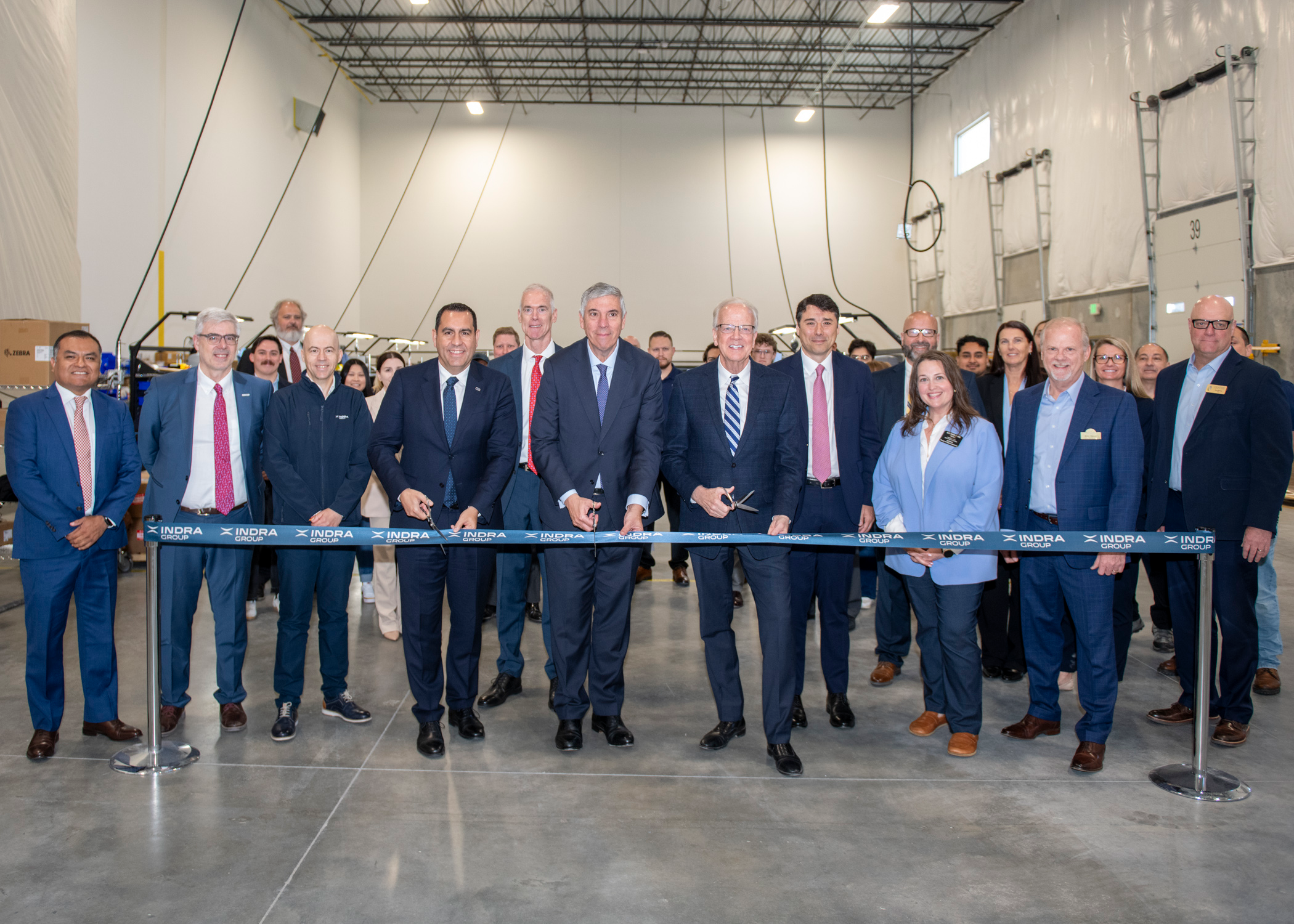
The agreement was signed at the company’s Welsh steelmaking facility on 15 October. Heathrow says it could lead first to a framework agreement and then to a longer-term commercial contract, but neither arrangement has yet been finalised through the memorandum itself.
The government estimates that construction of the proposed expansion could require up to 400,000 tonnes of steel, roughly one-sixth of the UK’s current annual steel production. This is a forecast for the project as a whole, not an order placed with 7 Steel UK or a confirmed allocation of steel to the Cardiff operation.
The partners already have an established supply relationship. According to Heathrow, 7 Steel UK and its predecessor business have supplied more than 150,000 tonnes of material for the airport over approximately two decades, including steel used during construction of Terminal 5.
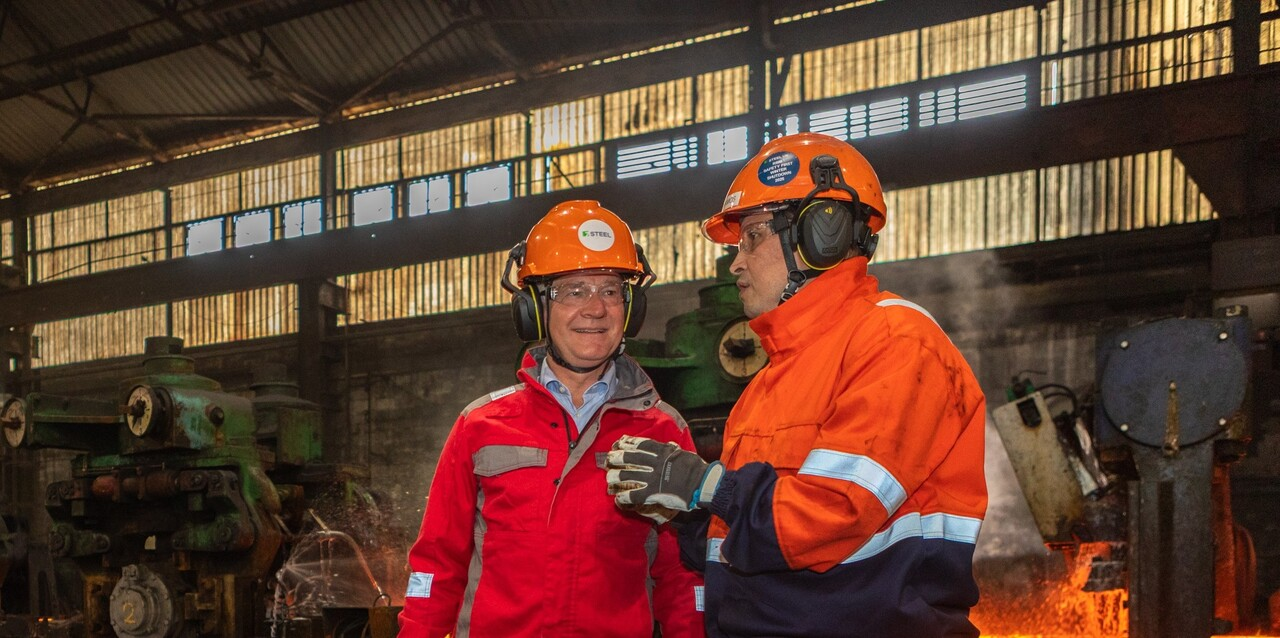
7 Steel UK, formerly Celsa Steel UK, produces construction steel using an electric arc furnace at Cardiff. The operation has stated capacity of up to 1.2 million tonnes of crude steel annually and makes products including reinforcing bar, wire rod and structural sections for industrial and infrastructure customers.
An electric arc furnace melts prepared steel scrap using electrical energy, converting recovered metal into material that can be refined and cast for subsequent processing. Unlike the traditional blast furnace route, it does not depend principally on reducing iron ore with coke to generate the metal charge.
Although scrap-based steel can carry lower emissions than conventional ore-based production, the environmental result depends on electricity supply, the mix and treatment of raw materials, downstream processing and transport. 7 Steel UK states that its electric arc furnace route can produce up to 80% less carbon dioxide than conventional blast furnace steelmaking; this is the company’s comparative claim rather than a measured saving from the airport project.
The government’s published steel strategy describes Cardiff’s operation as using approximately 98% scrap in its steel products. That figure refers to the production feedstock and should not be confused with the company’s separate statement that it sources scrap domestically.
Steel for a major transport project must meet application-specific requirements. Reinforcing products, structural sections and other components serve different functions and are subject to individual standards concerning dimensions, composition, strength and inspection. The October memorandum does not identify the exact product mix or grades that Heathrow might eventually purchase.
Airport expansion also involves a broad range of construction packages. Runway and taxiway infrastructure, transport connections, terminals and supporting works have different engineering and delivery schedules. The proposed 400,000-tonne requirement cannot be treated as a single immediate manufacturing order.
A framework arrangement could help the participants define how steel procurement would be conducted as the project develops. That might include product specifications, volumes, quality documentation, supply assurance and delivery sequencing, but none of those details has been set out as a binding commitment in the memorandum.
Early engagement may nevertheless help a steelmaker assess whether existing production lines can serve anticipated demand or whether additional capacity, tooling or downstream processing would be justified. Those investment decisions depend on the commercial reliability of future orders, not simply on the scale of an infrastructure proposal.
Heathrow joined the UK Steel Charter in 2025, a commitment intended to encourage consideration of domestically produced steel in major procurement programmes. The new memorandum is an extension of that approach, but it does not remove the need for normal commercial contracting or compliance with applicable procurement requirements.
The proposed third runway remains subject to planning, environmental, regulatory and financing decisions. Heathrow chief executive Thomas Woldbye linked the anticipated industrial benefits directly to the expansion being approved, making it clear that the supply opportunity is contingent on the wider scheme proceeding.
Heathrow forecasts that approximately 60% of the economic growth benefits associated with constructing the third runway could arise in regions outside London and the South East. That is an estimate made for the proposed project, not an outcome already secured through the steel agreement.
The airport reports that it spent £2.3 billion with suppliers across UK nations and regions in 2025. Existing purchasing activity provides context for its supplier relationships, but it is separate from expenditure that might arise if the airport expansion receives the necessary approvals.
7 Steel UK already serves infrastructure customers and operates integrated steel manufacturing, service and recycling activities. Its Cardiff site is therefore an established industrial operation rather than a proposed new steelworks. The memorandum could support future production planning, although the parties have not announced additional jobs, new production capacity or a contracted steel quantity attributable to this agreement.
Using domestically produced steel could shorten certain supply-chain movements and keep manufacturing work within the UK. Any project-level claim about reduced embodied carbon would still require assessment of the actual products, energy sources, transport and quantities delivered.
The proposal illustrates an increasingly important distinction in infrastructure supply chains between indicating an intention to source locally and entering a binding order. In the first case suppliers can prepare for potential demand; only the second provides a defined commercial basis for manufacturing and delivery.
The next substantive milestone will be a formal framework agreement or purchase contract specifying the products and obligations involved. Until then, Heathrow and 7 Steel UK’s memorandum records a potential procurement pathway for a project that has yet to receive final approval.