Goodwin PLC has agreed to sell a substantial part of its Mechanical Engineering Division to an affiliate of Cerberus Capital Management for headline cash consideration of up to approximately £1.1 billion, subject to customary closing adjustments.
The transaction covers Goodwin Steel Castings, Goodwin International, Noreva, Easat Group, and the Pumps Division. Goodwin will retain its Refractory Engineering Division and Technological Division, including Internet Central and Duvelco.
Completion is expected during the first quarter of 2027, subject to an internal reorganisation, antitrust clearance, foreign direct investment approvals, and other customary conditions. Before completion, the mechanical businesses will be transferred into a newly incorporated entity that will then pass to the Cerberus affiliate.
The scale of the sale is substantial relative to the operations remaining within Goodwin. The Mechanical Engineering Business represented £206 million of gross assets and generated £69 million of operating profit in the year ended 30 April 2026, while the retained businesses represented £118 million of gross assets and £10 million of operating profit.
Goodwin intends to return a significant proportion of the net cash proceeds to shareholders, although the amount, timing, and form of that payment remain at the board’s discretion. Remaining proceeds are intended to support growth in the retained businesses, with the group initially targeting a zero net debt position after completion.
The agreement follows the strategic review announced in August, when Goodwin opened a review of its engineering assets. That process established that a disposal was among the options being considered; the latest announcement identifies the buyer, the businesses being transferred, the consideration structure, and the proposed shape of the group after the transaction.
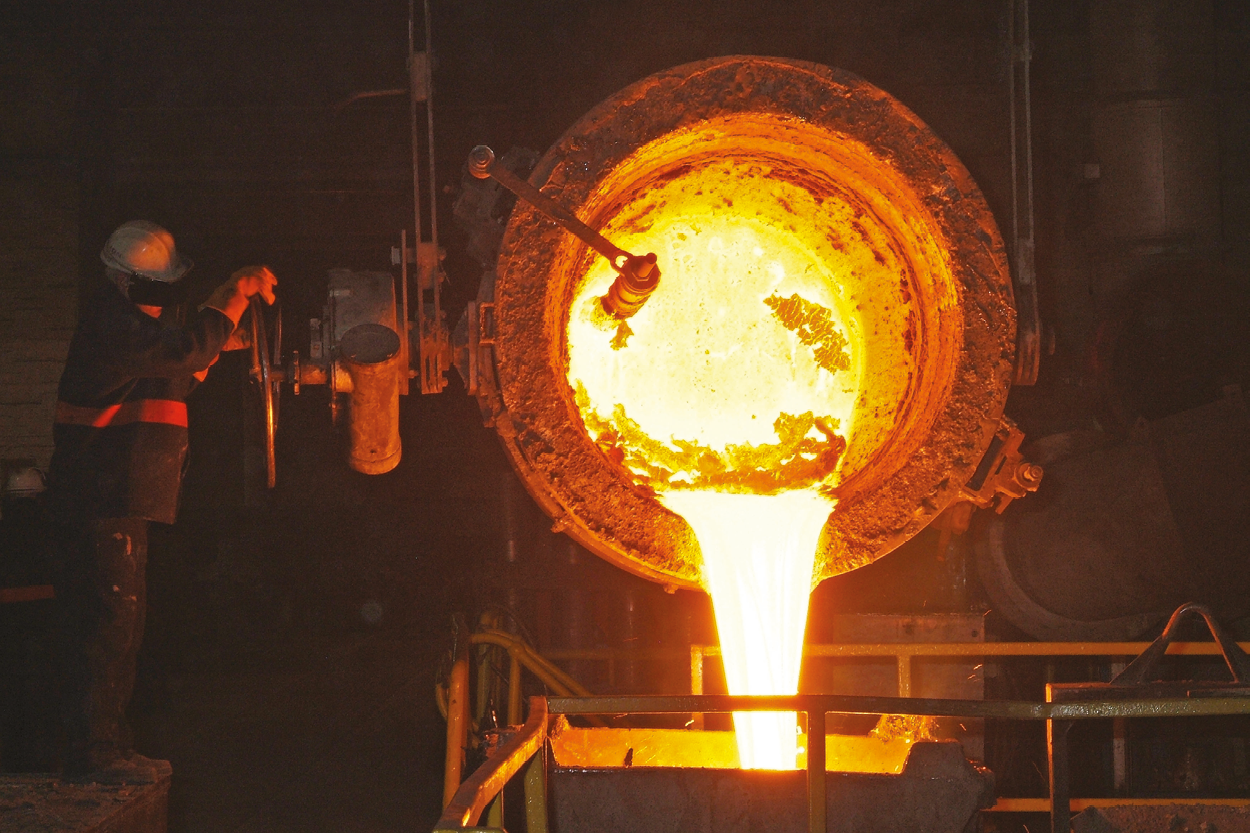
The mechanical portfolio contains capabilities that are less interchangeable than a simple divisional sale might suggest. Goodwin Steel Castings and Goodwin International operate around high-integrity engineered products, while the wider package includes specialist valves, pumping equipment, radar-related systems, and other products supplied into demanding industrial and defence markets.
Those businesses depend on manufacturing assets, qualified processes, specialist materials knowledge, experienced engineers, and customer relationships that can take years to establish. Cerberus is therefore acquiring operating capability as well as earnings, with the value of the transaction likely to depend on maintaining skills and technical capacity through the ownership transition.
Management teams within the Mechanical Engineering Business are expected to remain with their respective operations, while relevant central employees will transfer with the division. Members of the Goodwin family will support the transition but do not intend to remain involved in management or operations after completion.
The transaction will also require national security and foreign investment clearances in several jurisdictions. Goodwin’s announcement specifically identifies approval under the UK’s National Security and Investment Act alongside other international foreign direct investment and antitrust requirements, reflecting the exposure of some transferred businesses to defence and strategically sensitive markets.
Until those conditions are satisfied, the operations must continue to trade through a relatively complex corporate separation. Assets, liabilities, employees, systems, and commercial arrangements need to be moved into the new legal structure without interrupting customer supply or weakening the manufacturing businesses Cerberus has agreed to acquire.
Goodwin and the new company will also put transitional service arrangements in place to support continuity after completion. That sort of separation work is rarely visible in the transaction headline, but it matters in an engineering group where shared functions, procurement arrangements, IT systems, property, and technical resources can cut across divisional boundaries.
For Goodwin, the disposal will leave a much smaller and more concentrated business. Management intends to direct additional attention towards its established refractory operations and newer opportunities including Duvelco and AVD Fire, using a stronger balance sheet to support development rather than retaining the previous scale of mechanical engineering activity.
Cerberus, meanwhile, gains a group of specialist engineering businesses with exposure to defence, industrial, energy, and infrastructure markets. Its ability to create value will depend less on financial restructuring than on whether investment follows into capacity, process capability, equipment, skills, and the customer programmes that sustain the factories.
The £1.1 billion figure is a headline maximum rather than a fixed amount already received. Consideration is subject to closing adjustments, while further contingent consideration may become payable depending on the outcome of certain legal proceedings or disputes involving the Mechanical Engineering Business.
Goodwin’s transformation will therefore remain incomplete until the reorganisation, regulatory approvals, and transfer are finished. If the expected first-quarter 2027 timetable holds, a company historically defined by a broad mechanical and refractory engineering portfolio will enter its next financial year with a markedly narrower industrial base and considerably more cash to allocate.