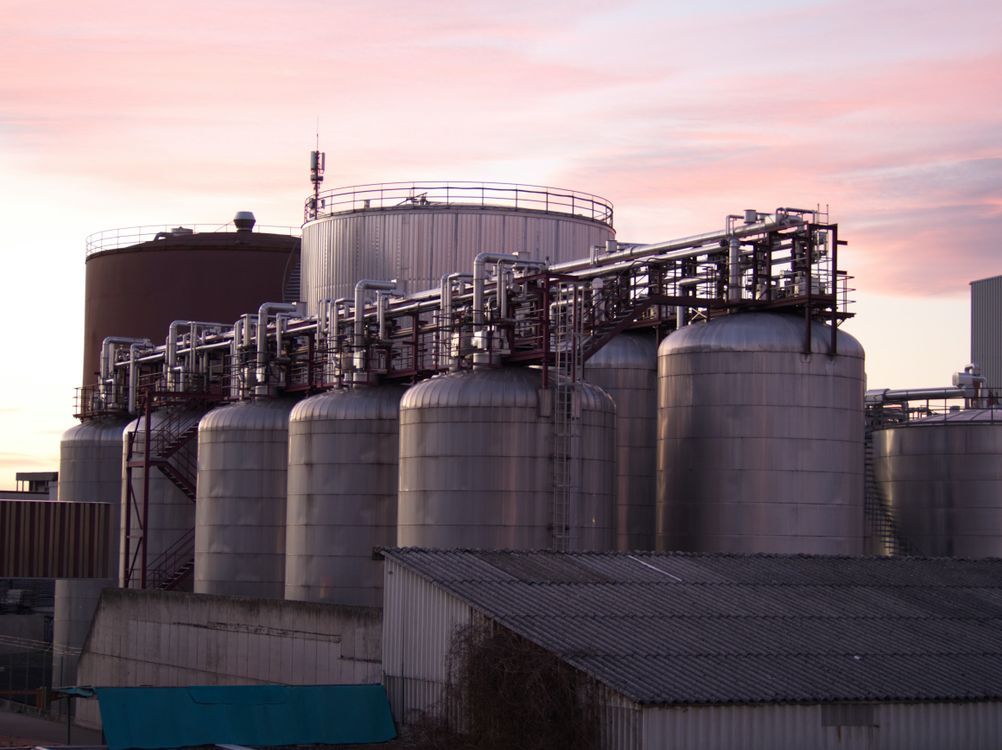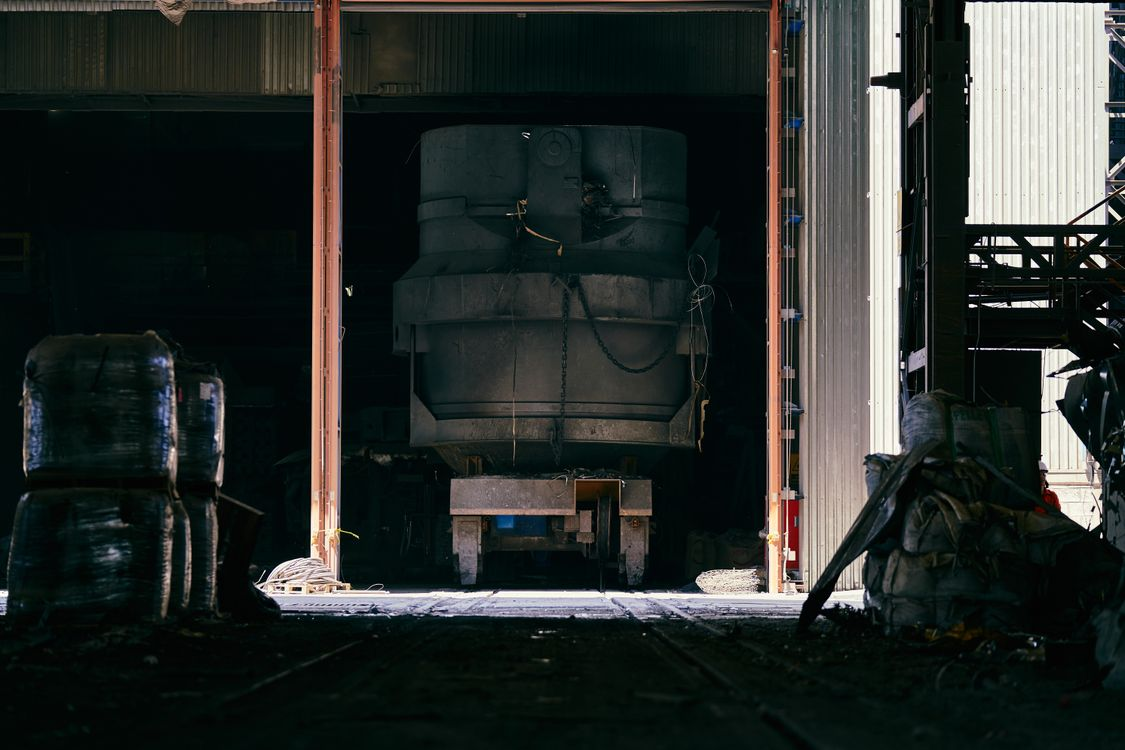
Waterford Capital Partners is offering the former Duferco Danish Steel plant at Frederiksværk for sale and relocation, putting a complete merchant-bar rolling and cold-drawing operation on the market rather than disposing of the machinery individually.
The package has a guidance price of €12.5 million on an ex-works basis and centres on a hot-rolling mill with annual capacity of approximately 300,000 tonnes. Two cold-drawing lines for bright steel are included alongside a substantial inventory of production, maintenance, and laboratory equipment.
The sale also includes 14 overhead travelling cranes, a service centre, maintenance workshop, laboratory facilities, approximately 1,000 spheroidal graphite cast-iron rolls, and associated spare parts.
Waterford says the plant remained operational until closure and had been subject to continuing modernisation by Danieli. A separate dismantling and relocation tender is being run in parallel, with any purchaser expected to work with one of the recommended contractors responsible for taking down and preparing the equipment for transport.
That structure turns the closure into a substantial second-hand capital-equipment project. Instead of acquiring an individual rolling stand or finishing machine, a buyer can obtain much of the equipment needed to recreate an established production route at another industrial location.
The hot mill was designed to produce merchant bar across several common sections. Its reported capabilities include flats from 25mm to 160mm wide, rounds between 16mm and 70mm, squares between 16mm and 50mm, and angles from 30mm to 80mm.
The two cold-drawing lines extend the product range into bright steel, including flats, rounds, squares, and hexagonal sections. Cold drawing is used where customers require tighter dimensional tolerances, improved surface finish, or product characteristics beyond those normally associated with hot-rolled merchant bar.
Keeping those operations together is potentially significant for a buyer because the finishing equipment allows a relocated mill to address different applications without depending entirely on third-party downstream processing.
The €12.5 million guidance price does not, however, represent the complete cost of restoring production. Ex-works terms place dismantling, packing, transport, civil works, foundations, electrical integration, utilities, installation, commissioning, and compliance at the destination outside the headline machinery price.
Heavy industrial relocation also involves a substantial engineering exercise before any equipment moves. Every major assembly has to be surveyed, documented, disconnected, marked, lifted, transported, and reconstructed while retaining enough information about alignments and interfaces for the line to operate correctly afterwards.
The surrounding equipment can be as important as the main mill stands. Reheating, materials handling, cooling, straightening, cutting, cranes, drives, hydraulics, lubrication, controls, inspection, and workshop capability all contribute to whether a relocated rolling line can return to stable production.
That makes the included rolls, spare parts, maintenance facilities, and cranes more than peripheral assets. They preserve part of the production ecosystem that supported the operating plant and may reduce the amount of equipment a purchaser has to source separately.
Control-system modernisation is likely to be another consideration. Equipment can remain mechanically serviceable long after PLCs, drives, operator interfaces, networking hardware, or safety components become difficult to support.
Relocation provides an opportunity to upgrade those systems, but doing so adds engineering work because new controls have to be integrated with older mechanical equipment whose operating sequences and instrumentation were designed around the original automation architecture.
Energy supply will also shape the business case. Steel rolling requires substantial electrical and thermal input, and a mill that was economic at one location may not reproduce the same cost structure after being moved into a different power, gas, labour, and logistics market.
The offer comes as European steelmaking continues to undergo restructuring around energy cost, demand, plant age, and decarbonisation investment. Some producers are reducing upstream capacity while retaining finishing operations; others are attempting to modernise existing sites around lower-emission production routes.
A complete second-hand mill presents another option. A buyer operating in a market with growing merchant-bar demand, suitable utilities, competitive energy, and available industrial land could potentially acquire established production capacity more quickly than commissioning a completely new line.
That advantage depends on how much refurbishment is ultimately required. An apparently inexpensive plant can become considerably more costly if major drives, controls, furnaces, foundations, or environmental systems have to be redesigned before the line can meet modern operating and regulatory requirements.
The economics therefore sit in the difference between purchase price and fully commissioned cost. The €12.5 million figure is attractive relative to the capital requirement of a greenfield rolling mill, but it is only the first entry in a much larger relocation budget.
Waterford’s parallel dismantling tender suggests the assets are being marketed as an executable relocation package rather than a speculative machinery listing. The remaining question is whether a buyer can combine the Frederiksværk equipment with a site whose energy, market, labour, and infrastructure conditions justify moving an entire steel-production line across borders.