ESCATEC has completed a 100-square-metre controlled production room at its ESCATEC Mechatronics operation in Lutterworth, extending the UK facility’s capability to manufacture medical and healthcare products. The room includes continuous temperature and humidity monitoring, electrostatic-discharge-safe flooring and controlled lighting. It follows ISO 13485 quality management certification and a separate surface-mount technology investment at the site this year.
The new room provides a managed production environment within a facility already handling complex electronics and mechatronic assemblies. It is intended for medical devices and other regulated products whose manufacturing routes require controlled conditions, traceable work and consistent process records. Its contribution to capacity will depend on the customer programmes and operations assigned to the space, alongside the existing equipment and quality systems at Lutterworth.
Temperature and humidity monitoring gives production teams a record of environmental conditions during assembly. This can support process control where materials and components have specified storage or handling conditions, although the necessary operating limits depend on the actual product and process. Monitoring records are only one part of manufacturing control: instruments must be maintained, out-of-range conditions addressed and the effect on affected work assessed under the site’s procedures.
Electrostatic discharge protection addresses a different manufacturing risk. A sudden charge transfer can damage sensitive electronics, including defects that may emerge only during later testing or service. ESD-safe flooring works with personnel grounding, suitable workstations, protective packaging and routine checks of handling arrangements to reduce that risk. The value of the new floor consequently depends on its integration with the site’s assembly controls.
Controlled lighting also supports repetitive assembly and inspection work, especially when workers must see fine features, component orientation or small mechanical interfaces. Its practical requirements vary with the task and any automated inspection equipment used on the production line. Combined with monitoring of temperature and humidity, the lighting forms part of the environmental conditions under which ESCATEC plans to manufacture and inspect regulated products.
In June, ESCATEC Mechatronics gained ISO 13485 certification for its medical-device quality management system. That standard covers documented processes, risk management, traceability and production controls used by organisations making regulated devices. Individual customer products still follow their applicable design, verification and regulatory routes, linking the certified management framework with specific manufacturing requirements rather than treating the facility certificate as a product authorisation.
The new room is specified around temperature and humidity monitoring, ESD-safe flooring and controlled lighting. Airborne particle cleanliness requirements, where applicable to a particular device, are established separately through the production process specification and suitable controls. ESCATEC describes the space as a controlled room, and its documented equipment and monitoring features provide the basis for assessing which programmes it can accommodate.
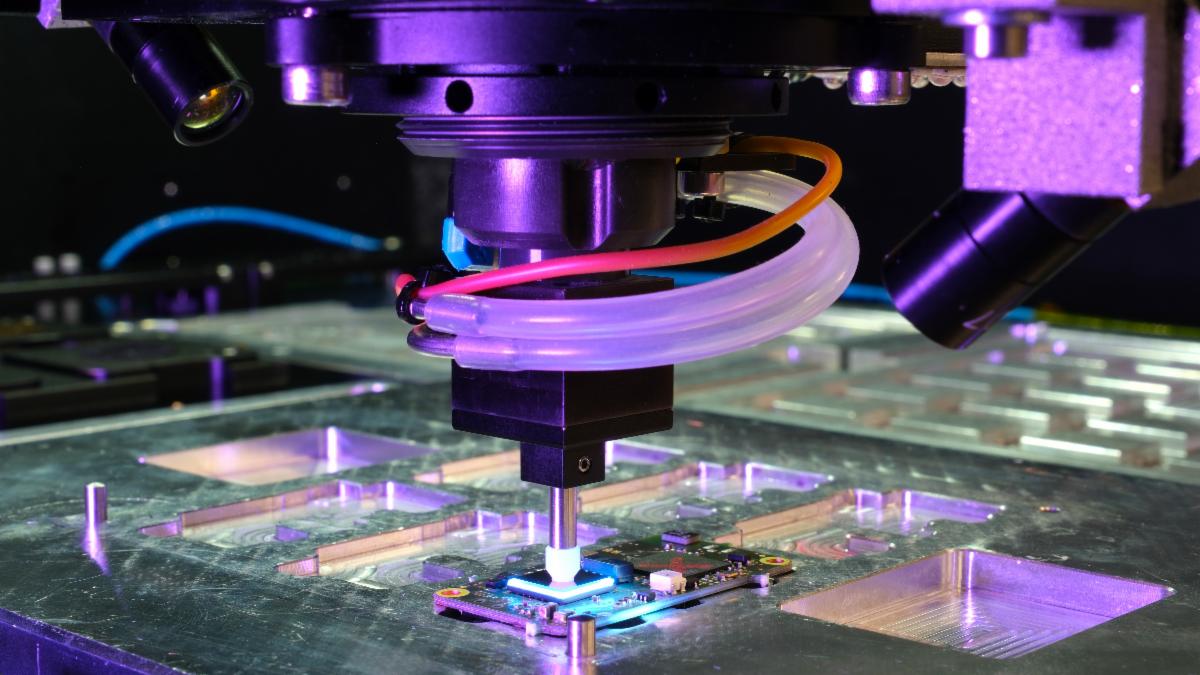
The facility’s earlier surface-mount technology investment increased capacity for high-mix and high-complexity manufacturing. SMT equipment places components onto printed circuit boards and supports soldering and associated inspection processes. A high-mix production programme may involve many product variants in shorter runs, making component changeovers, programming, material traceability and process documentation particularly important to stable output.
Combining SMT capability with a controlled final manufacturing environment may allow more work to remain within one contract manufacturing operation, depending on the product route agreed with each customer. Medical equipment commonly combines electronic boards, mechanical parts, connectors, housings and final system tests. Transferring assemblies between processes can create additional handling and record-keeping steps, so production flow and identification controls are part of managing complexity.
ESCATEC provides services covering design and development, product certification support, assembly, complete box builds and after-sales activities. The Lutterworth operation sits within a wider network of facilities in Europe and Asia. Common quality procedures across sites can support programme transfer, but transferring production also requires equipment capability, validated processes, supply arrangements and customer-specific requirements to be assessed at the receiving operation.
Medical device manufacturing demands an auditable connection between specified requirements and the work performed on each product or batch. Relevant records may include component origins, production routes, inspection outcomes and controlled changes. An environmental monitoring system contributes useful evidence only when its data is connected to the production records and the acceptance criteria appropriate to the particular device.
ESCATEC’s three investments at Lutterworth now connect a certified medical quality system, expanded surface-mount assembly capability and a dedicated controlled production area. The combination allows the company to plan more regulated electronics and mechatronics programmes within the UK operation, with production routes, inspection points and environmental acceptance limits established for each customer device.