Ericsson and Telia have begun outdoor field trials of pre-standard 6G radio technology in Sweden, using the upper 6GHz band to assess coverage, signal performance, capacity and reliability. Their newly signed memorandum of understanding extends the work into security, network resilience, automation and possible industrial applications.
At an event in Stockholm on 2 November, the companies demonstrated over-the-air operation in one of the Nordic region’s first upper-6GHz pre-standard 6G trials. Telia is assessing field performance while Ericsson develops the underlying radio technology. The collaboration builds on existing 5G networks and is intended to generate evidence for later network design and standards development.
Larger channel bandwidth in the upper 6GHz band offers a route to higher data capacity, particularly for applications that send substantial information from devices towards the network. Actual throughput still depends on signal quality, modulation, interference and protocol overhead, making outdoor field measurements necessary before network architects can judge how the spectrum performs across differing locations.
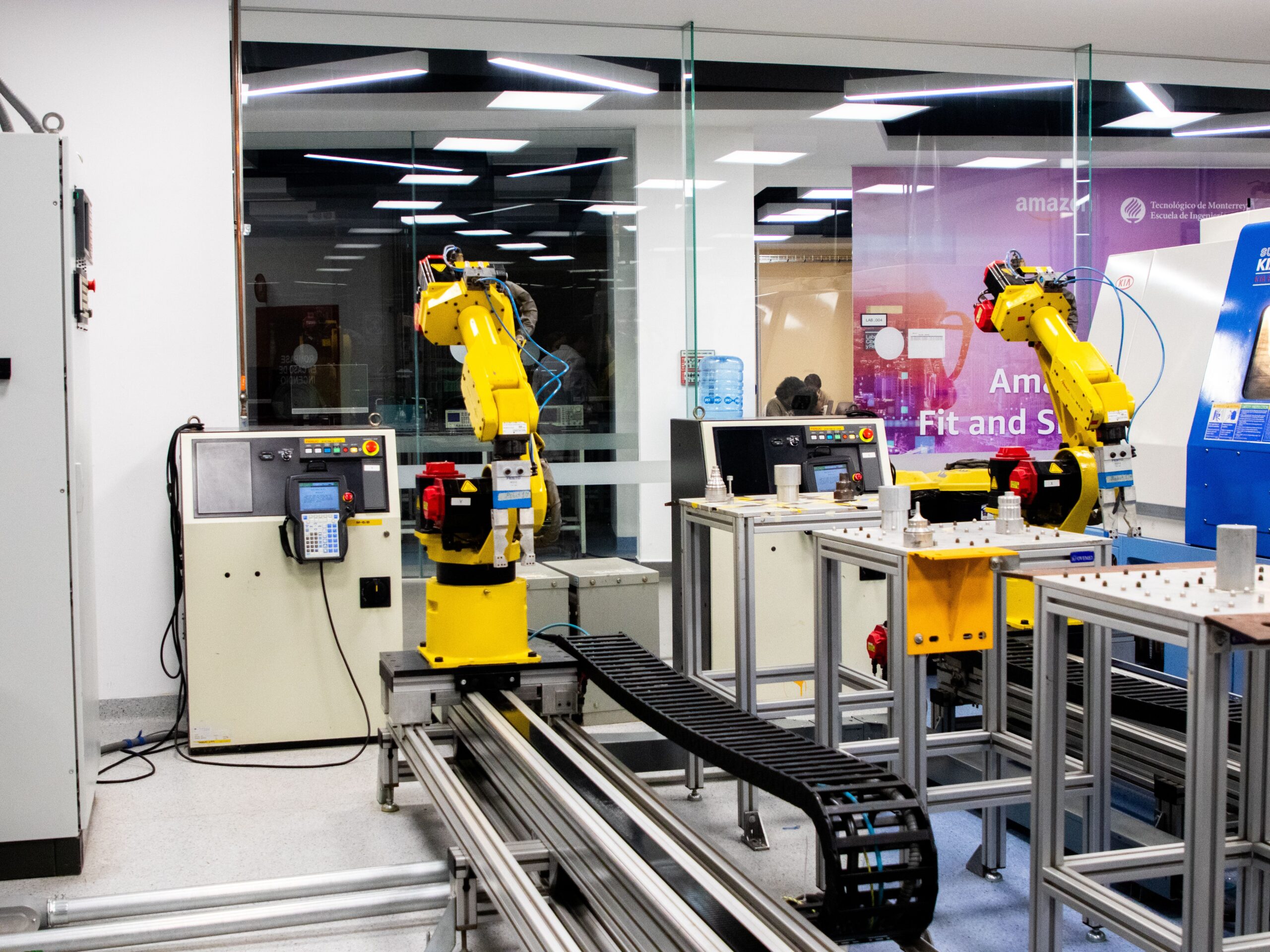
The higher frequency also changes the coverage design. Structural steel, concrete walls, machinery and building layouts can produce reflections, shadowing and variable penetration loss. A radio configuration that performs well across an open test area may need additional sites or an indoor system to serve a complex manufacturing plant. Coverage and uplink tests therefore have to be interpreted alongside the physical environment.
Telia’s trial programme covers signal strength, uplink performance, reliability and latency. High uplink capacity could support cameras and other industrial sensors that transmit large data streams for processing elsewhere, while autonomous machines would also need predictable service during movement between coverage areas. Testing these characteristics together helps identify whether a future network could support the combination of traffic present on an operating site.
Ericsson says the demonstration illustrates the scope for wider channels, high-capacity connectivity and improved uplink characteristics. The programme will examine latency, coverage and industrial service levels through field testing, allowing engineers to compare theoretical radio capability with performance under realistic operating conditions.
The agreement also covers the evolution of 5G Standalone and 5G Advanced, network application programming interfaces and AI-based automation. Existing capabilities will provide a development path for experimentation, while common technical standards and compatible equipment are still required before 6G can become an interoperable commercial service.
AI-based network management is one area for development, potentially adjusting radio capacity as demand changes. Industrial users may run video inspection alongside routine telemetry and low-latency machine control, placing different requirements on the same communications system. Any automated allocation would need to preserve the priorities configured for critical services, with performance assessed across the full network path.
Security and resilience are also explicit areas of the collaboration. A private industrial network may connect mobile robots, measurement equipment and maintenance systems, while a national operator’s network supports a wider range of customers. Both need authentication, controlled access, monitoring and recovery arrangements. Radio capacity improvements do not replace the engineering work needed to achieve dependable end-to-end service.
Telia is also evaluating latency, reliability and coverage in the outdoor tests. Latency is influenced by the radio connection and processing throughout the path, so an improvement at one layer may have limited effect if applications still depend on remote servers or congested connections elsewhere. Industrial systems with strict timing requirements often place computation close to the equipment, a design choice that may continue even as wireless networks advance.
At the same event, Ericsson gave a separate demonstration of integrated sensing and communication, using modified 5G radios to detect and track drones through reflected signals. That sensing demonstration is distinct from the upper-6GHz connectivity trial, although both contribute to the companies’ longer-term research into the functions future networks may support.
The wider programme may draw on Digital Arena Sweden and the NorthStar industrial innovation environment to involve companies, universities and public organisations. These settings give the partners opportunities to test candidate use cases under controlled conditions, while the new memorandum covers national coordination on skills, spectrum and future network security.
Standards remain a central constraint on the route from prototype to commercial infrastructure. Interoperability requires equipment suppliers and operators to agree common radio procedures, device behaviour and management methods through recognised standards processes. A pre-standard demonstration can supply evidence for those discussions, but the eventual specification and compatible hardware will be determined through subsequent work.
Telia expects commercial 6G deployment around 2030–2032. Until then, the Swedish field programme will gather measurements on coverage, uplink capacity, latency and resilience, and feed them into the technical and standards work. Industrial robotics and infrastructure monitoring remain potential applications rather than services delivered by a finished 6G network today.